Are Moving Blankets Worth Buying for Your Move?
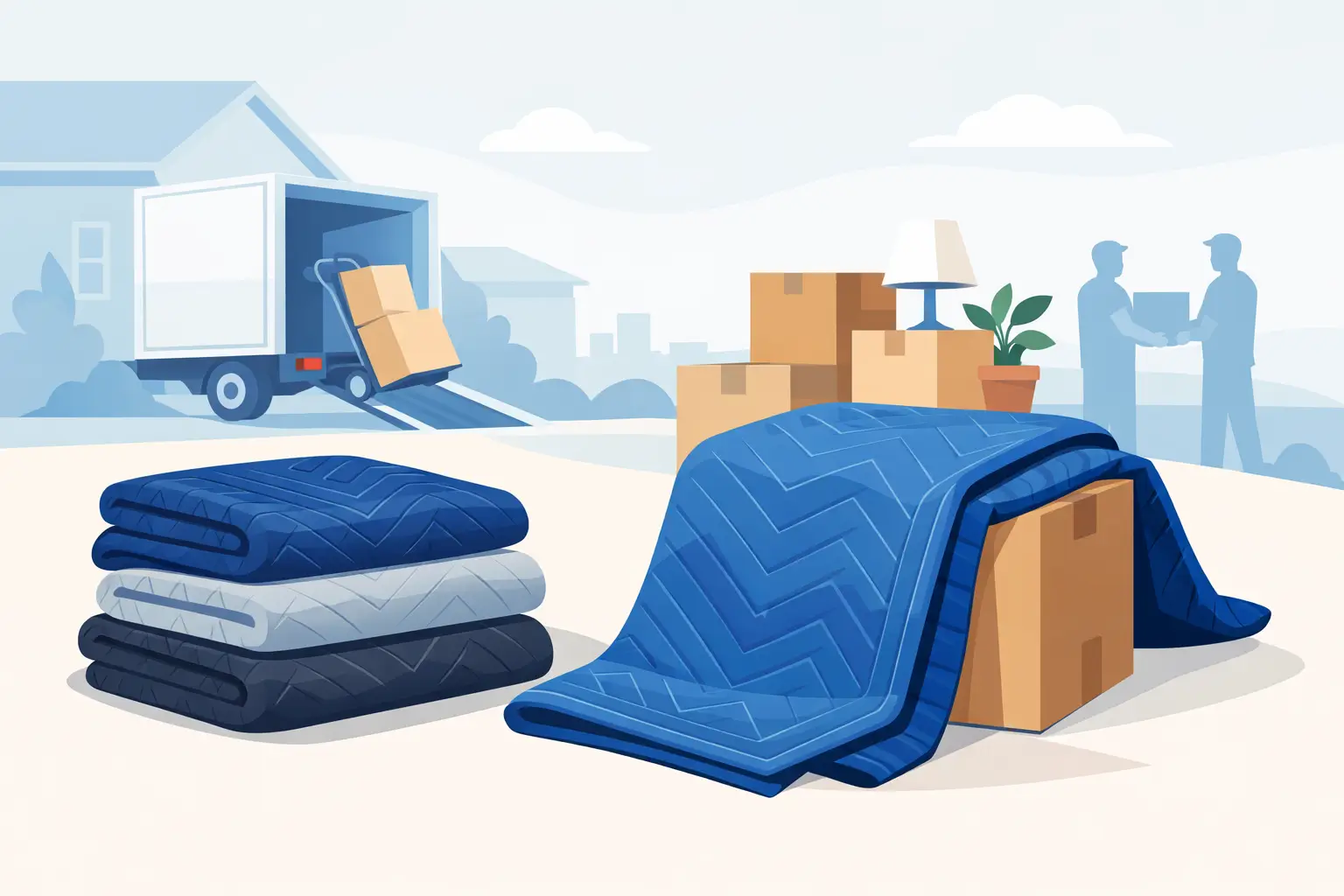
A scratched dresser corner, a torn sofa arm, or a cracked glass tabletop can turn a move into an expensive headache fast. So, are moving blankets worth buying? For many households, yes – especially when you are moving furniture yourself, storing items, or expect to move more than once. But buying is not always the smartest choice. The right answer depends on what you own, how far it is traveling, and whether professional moving service is part of your plan.
Are Moving Blankets Worth Buying? The Short Answer
Moving blankets are worth buying when you need dependable protection for furniture, appliances, large electronics, or fragile items during a DIY move. They create a padded barrier between your belongings, truck walls, door frames, straps, and other items in the load. That barrier helps prevent surface scratches, dents, scuffs, and rubbing damage.
They are particularly useful for wood furniture, upholstered pieces, mirrors, headboards, tables, dressers, bookcases, washing machines, refrigerators, and flat-screen TVs. A blanket cannot make an item indestructible, but it can greatly reduce the everyday damage that happens when a load shifts, a corner catches a doorway, or two heavy pieces touch during transportation.
Buying may not be necessary for a small apartment move with little furniture, a one-time short move, or a move handled entirely by a full-service moving crew. In those situations, renting blankets or having movers provide the protection can be more practical. The key is comparing the upfront cost with the cost and frustration of repairing or replacing damaged belongings.
What Moving Blankets Actually Do
A quality moving blanket is a thick, quilted pad made to absorb bumps and reduce friction. It is not the same as a household comforter, beach towel, or thin throw blanket. Those items can help in a pinch, but they often slide off, provide uneven cushioning, and leave your furniture less protected around sharp corners.
Moving blankets work best when they are wrapped around an item and secured with stretch wrap, moving bands, tape applied to the blanket only, or tie-down straps used carefully. The blanket should cover exposed edges and surfaces without leaving loose fabric that can drag, snag, or shift while you carry the piece.
They also help with more than furniture. Use them to line the sides of a rental truck, cushion awkwardly shaped equipment, separate stacked boxes containing fragile contents, or protect floors and railings while moving oversized items. For pianos, safes, and other heavy specialty items, however, blankets are only one part of a safe moving plan. Proper equipment, trained handling, and secure transportation matter just as much.
When Buying Makes Financial Sense
Purchasing blankets is usually a good value if you expect to use them across several projects. A set can remain useful long after move day. Many homeowners keep them for storage, home renovations, hauling furniture, protecting items in a garage, or transporting purchases from a store or marketplace seller.
Buying is especially worthwhile when you have several large or high-value pieces. A solid wood dining set, sectional sofa, bedroom suite, or large entertainment center can cost far more to repair than a supply of protective pads. The same is true for antiques, family heirlooms, and furniture with finishes that are easy to scratch.
It can also make sense for people who move regularly. Students changing apartments, renters with annual lease changes, military families, and homeowners planning a staged remodel may get repeated use from their blankets. If you have a pickup truck, trailer, or van for frequent hauling, they can quickly become one of the most useful items you own.
Storage is another reason to buy. Blankets can keep furniture from rubbing together in a storage unit and add a layer of dust protection. Do not wrap furniture so tightly that it traps moisture, especially in a damp area. Clean, dry blankets and a dry storage environment are the safer combination.
When Renting or Hiring Movers Is Better
Buying is not automatically the best option. Moving blankets take up space, need to stay clean and dry, and may not be used again after a single move. If you are relocating from a furnished studio or mostly moving boxes, the number of blankets you need may be small enough that a rental is the easier choice.
Renting can also work well for a one-day truck move. You get protection for the job without storing bulky pads afterward. Before you reserve a truck, ask whether blankets are available, how many come in a bundle, what the rental period includes, and what happens if a blanket is returned wet, excessively dirty, or missing.
For busy families, seniors, and customers facing a long-distance move, a professional crew can be the better value even if the upfront price is higher. Experienced movers know how to wrap furniture, carry it safely through tight spaces, load a truck to prevent shifting, and protect the home itself. This is particularly helpful for stairs, narrow hallways, large appliances, antique pieces, and heavy specialty items.
Newcomer Movers has been locally owned and operated since 2007, providing full-service moving, packing, storage, and specialty handling for customers who want movers who care for their belongings from pickup through delivery. When a move involves valuable items or difficult access, having the right people and equipment can be more useful than buying supplies alone.
How Many Moving Blankets Do You Need?
The number depends on the size of the move and the amount of furniture, not simply the number of rooms. A one-bedroom apartment with a sofa, bed frame, dresser, dining set, TV, and a few bookcases may require 10 to 15 blankets. A furnished three-bedroom home may need 25 to 40 or more, depending on the furniture and how carefully items must be separated.
Start by counting the pieces that need a padded wrap. Large furniture often needs more than one blanket. A wide dresser may need two or three, while a glass dining table may need layered protection around the top and separate coverage for the base. Appliances, mirrors, and televisions should not be treated as afterthoughts.
If you are uncertain, plan for a few extra. Running out of protection halfway through loading often leads to risky shortcuts, such as stacking bare furniture against other furniture or using loose cardboard that will not stay in place.
What to Look for Before You Buy
Not every moving blanket offers the same level of protection. Weight, thickness, stitching, and size all matter. Heavier quilted pads generally provide better cushioning for furniture and appliances, though they are bulkier to carry and store. Lighter pads may be fine for covering items against dust or minor rubbing, but they may not be enough for heavy pieces on a long trip.
Look for blankets with durable stitching and a size large enough to cover common furniture surfaces. Larger pads give you more flexibility when wrapping sofas, mattresses, dressers, and tables. Avoid pads that are thin, torn, damp, or heavily soiled. A wet blanket can transfer moisture to upholstery and wood finishes, while grit caught in the fabric can create scratches instead of preventing them.
You will also need a way to secure them. Stretch wrap is helpful for keeping blankets in place around furniture, but do not apply it directly to finished wood for extended periods, especially in heat. Moving bands and properly positioned straps can also work. The goal is secure padding without crushing delicate parts, pulling on handles, or creating a hard edge against the item.
Common Mistakes That Defeat the Purpose
The most common mistake is draping a blanket over an item without fastening it. It may look protected until the first turn, doorway, or truck ramp causes the blanket to slide away. Wrap the piece completely and secure the pad before lifting.
Another mistake is relying on blankets for items that need specialized packing. Mirrors, glass tabletops, artwork, and televisions often need appropriate boxes, corner protection, or rigid panels in addition to padding. Blankets reduce surface damage, but they do not stop glass from flexing or prevent a TV screen from being hit by a heavy box.
Finally, do not overload a truck simply because everything is padded. A safe load is packed tightly enough to prevent movement, with heavy items low and balanced, fragile items protected, and tie-downs used where needed. Blankets work best as part of an organized loading plan.
Make the Choice That Protects Your Move
If you have furniture you care about and expect to move, store, or haul it again, buying moving blankets is usually a sensible investment. If this is a one-time move with a limited number of items, renting pads or choosing a full-service crew can keep the process simpler. Either way, the best moving blanket is the one used correctly before a piece reaches the truck – not the one you wish you had after damage is done.