Artwork Packing Questions? Get Clear Answers
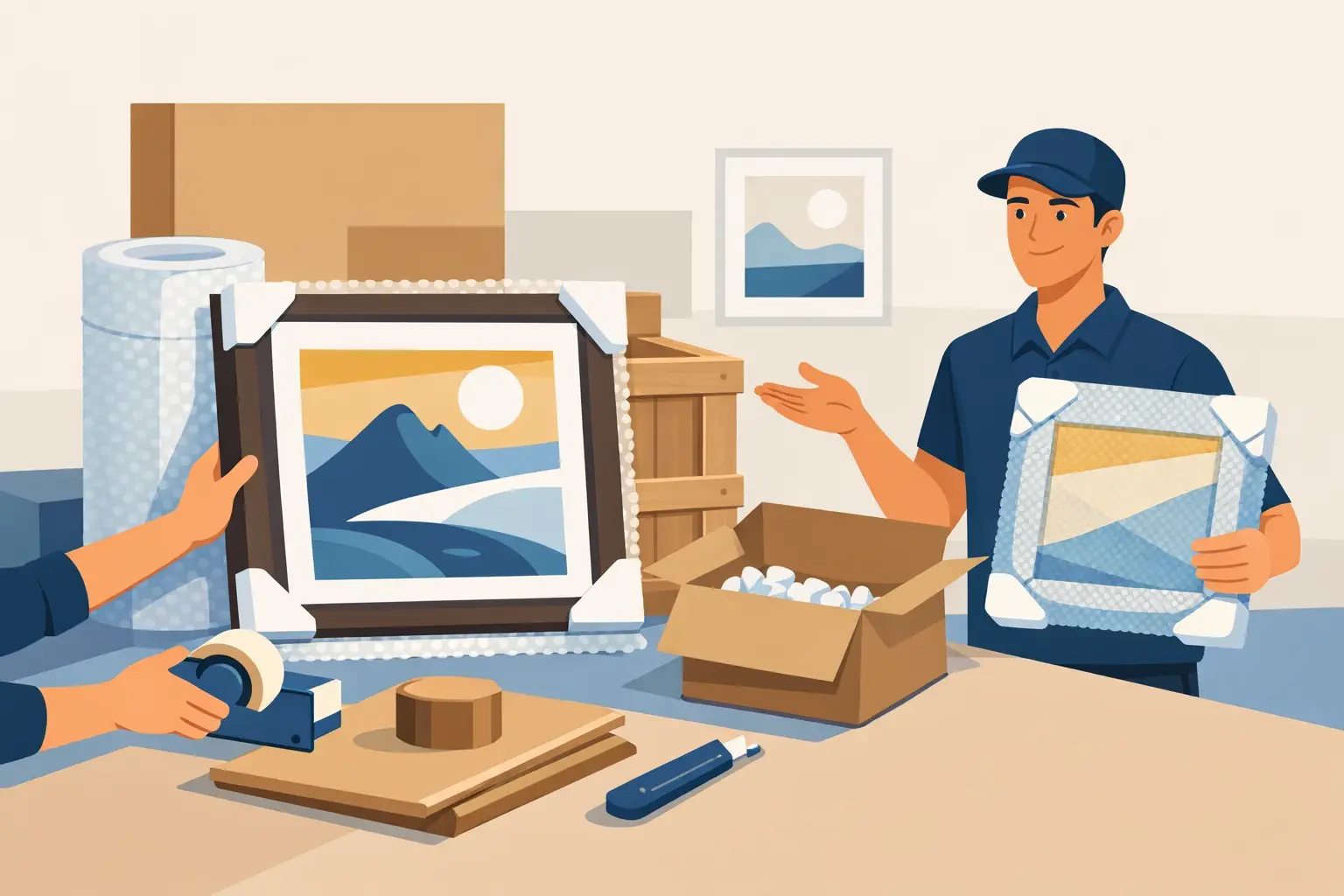
A chipped frame corner or a punctured canvas can turn an otherwise successful move into a frustrating loss. That is why artwork packing questions should be answered before boxes are taped shut and the moving truck arrives. Whether you are moving across Toledo, relocating out of state, downsizing, or placing belongings in storage, the right preparation protects the pieces that make your space feel like home.
Artwork Packing Questions to Ask Before Moving
The first question is simple: which pieces need professional packing? Original art, family heirlooms, large mirrors, glass-covered frames, sculptures, antiques, and anything with sentimental or financial value deserve extra attention. A poster in a lightweight frame may be manageable for a careful do-it-yourself packer. A large oil painting, delicate shadow box, or framed work with an ornate wood frame is a different job.
Also consider the distance and conditions of your move. A short local move may involve only a few minutes in a truck, while a long-distance move can include days of loading, unloading, shifting, temperature changes, and temporary storage. The longer and more complex the trip, the less room there is for basic cardboard-and-hope packing.
Before packing, take clear photos of each item from the front, back, and corners. Note existing scratches, loose hanging hardware, or frame damage. This gives you a reference point and helps you decide which pieces require specialty handling.
What Materials Actually Protect Artwork?
Professional-quality protection is about layers, not just one thick wrap. For most framed artwork, begin by protecting the face of the piece with a clean, smooth barrier. Glassine paper is a good choice for painted surfaces because it is nonstick and less likely to transfer ink or leave marks. Avoid placing printed newspaper directly against artwork, since ink can rub off or transfer when moisture is present.
After the surface is protected, add corner protectors. Frame corners take the first impact when a piece is set down, loaded upright, or shifted in transit. Cardboard corners work for many standard frames, while heavier or custom protection may be needed for oversized art.
Bubble wrap adds cushioning, but it should not be the only material used. Wrap it around the protected artwork with the bubbles facing outward when possible, then secure it lightly with packing tape. Do not tape directly to the frame, canvas, or finished surface. For valuable paintings, excessive pressure can be as harmful as a bump in the road.
A properly sized mirror or picture box gives the finished piece a firm outer shell. For large frames and mirrors, two telescoping boxes can be fitted together. The goal is to prevent movement inside the box, not to compress the artwork tightly. Fill open space with clean packing paper or foam so the item cannot slide from side to side.
Should You Remove Art From the Frame?
Usually, no. If a painting, print, or photograph is already professionally framed and secure, keeping it in the frame generally offers better protection during a move. Removing artwork can introduce fingerprints, tears, bending, broken mounting hardware, or difficulty reassembling the piece correctly.
There are exceptions. If a frame is damaged, unstable, or much heavier than the artwork itself, it may need repair or separate handling. Highly valuable fine art, fragile antique frames, and works with loose or flaking paint may require advice from a conservator or specialty art handler before moving. This is one area where saving a few dollars on materials can create a much bigger problem later.
How Should Canvases Be Packed?
A stretched canvas should never be packed face-down against a hard surface. The front can dent, stretch, or pick up marks that are difficult to repair. Cover the face with glassine paper, protect the corners, and use a layer of bubble wrap or foam around the outside.
For a small canvas, a sturdy picture box may be enough. Larger canvases should be packed upright in a box or custom crate that keeps pressure off the painted face. Never stack heavy boxes, books, lamps, or furniture against a canvas. Even when the artwork looks protected, weight against the center of the canvas can cause permanent damage.
If you are moving several canvases, separate each one with cardboard or foam. Keep them standing vertically, like records on a shelf, rather than laying them in a pile. This reduces pressure and makes it easier to load and unload safely.
What About Framed Art With Glass?
Glass adds a major risk because a cracked pane can damage the artwork behind it. For small and medium framed pieces, apply painter’s tape across the glass in a large X or grid pattern before wrapping. The tape will not guarantee that glass will not break, but it can help keep shards together if an impact occurs.
Do not use duct tape or strong packaging tape on glass. They can leave adhesive residue or pull at finishes around the frame. Once the glass is taped, protect the face, reinforce the corners, wrap the frame, and place it in a picture box. Mark the box clearly as “FRAGILE” and “THIS SIDE UP.”
Large mirrors and oversized glass frames are especially difficult to handle safely. They should be carried upright and secured along the wall of the truck, not laid flat under other belongings. A trained moving crew can provide the extra hands and equipment needed to avoid flexing, dropping, or placing weight on the glass.
Can Artwork Go Into Storage?
It can, but the storage environment matters. Artwork does not respond well to damp conditions, extreme heat, freezing temperatures, or rapid swings in humidity. Moisture can lead to mold, warped paper, frame separation, and damaged finishes. Heat can weaken adhesives and cause materials to expand or contract.
Climate-controlled storage is the better option for paintings, photographs, collectible prints, antiques, and heirloom pieces. Keep boxed artwork upright on shelving or pallets rather than directly on a concrete floor. Leave enough room to access the pieces without dragging boxes across one another.
For longer storage stays, inspect artwork periodically. Look for signs of moisture, pests, crushed corners, or a box that has begun to bow. Storage is safer when each piece is packed for the length of time it will be stored, not just for the first day after the move.
When Is Professional Artwork Packing Worth It?
Professional packing is worth considering when the item is valuable, oversized, unusually fragile, or difficult to replace. It also makes sense when you have a full household to coordinate and do not want to spend moving week tracking down specialty boxes, foam, paper, and safe loading space.
A full-service moving team can pack artwork, furniture, mirrors, electronics, and everyday household items in one coordinated plan. That means fewer last-minute decisions and less risk of a carefully packed frame being loaded incorrectly by someone who did not pack it. For offices, galleries, medical practices, and commercial spaces, coordinated packing is especially helpful when artwork must be moved alongside equipment, files, and furniture on a deadline.
Newcomer Movers is locally owned and operated since 2007, with movers who care about the small details as much as the heavy lifting. From packing materials and specialty handling to local moves, nationwide moves, and climate-controlled storage, the goal is to keep your belongings protected from the first box to final placement.
Before moving day, set aside your most important artwork and make a clear plan for each piece. A little preparation, the right materials, and careful handling can help the art you love arrive ready for its next wall.