Packing Essentials for Family Moves That Work
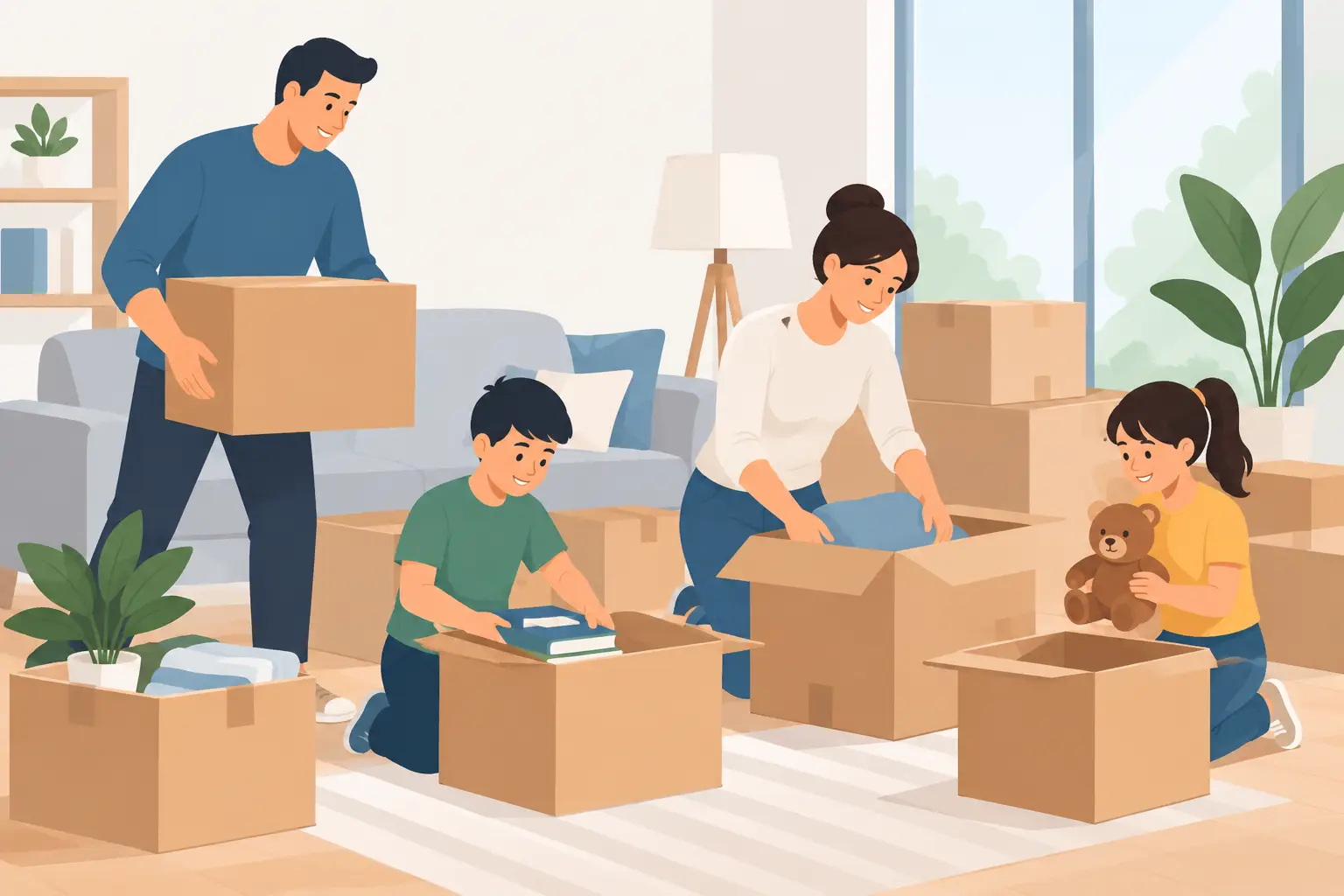
A family move can go sideways fast when the coffee maker is buried, the kids’ pajamas are in the wrong box, and no one can find the phone chargers. The best packing essentials for family moves are not about buying every gadget on the shelf. They are about keeping your household comfortable, safe, and able to function from the last night in your old home through the first few days in the new one.
Families have more moving parts than a typical one- or two-person move. Each person has daily needs, favorite items, school or work responsibilities, and belongings that need to arrive in one piece. A little planning protects your time, reduces moving-day stress, and makes unpacking much less overwhelming.
Start With the Right Packing Supplies
Strong boxes, dependable tape, and clear labels do more than make a move look organized. They protect your belongings and help movers place each box in the right room without repeated questions. Thin, previously used boxes can be fine for lightweight linens or stuffed animals, but they are a poor choice for books, dishes, tools, or anything heavy.
For most family households, keep a practical supply station in one spot and replenish it as you pack. You will use more tape and more markers than expected. Quality packing paper is usually a better choice than newspaper for glassware and dishes because it does not leave ink behind. Use bubble wrap for especially fragile pieces, but do not waste it wrapping every kitchen item.
Your basic supplies should include:
- Small, medium, and large moving boxes, plus a few heavy-duty book boxes
- Packing tape, a tape dispenser, permanent markers, and color-coded labels
- Packing paper, bubble wrap, stretch wrap, and resealable bags for small hardware
- Mattress bags, furniture pads, and plastic wrap for protecting large pieces
- Scissors, a utility knife, measuring tape, and a notebook or phone inventory
If you are moving locally in the Toledo area, it may be tempting to make several car trips with loose items. That can work for a few personal belongings, but it often creates clutter and makes it harder to track what made it to the new home. Pack what you can into labeled containers from the start.
Build First-Night Bags Before Packing Anything Else
The first-night bag is the most useful box you will pack, and it should travel with you rather than on the moving truck. Every family member needs a small bag or backpack with a change of clothes, pajamas, medications, toiletries, glasses or contacts, and comfort items. For young children, include a favorite stuffed animal, blanket, book, or quiet activity.
Then create one shared household tote for the things everyone will need immediately. Pack toilet paper, hand soap, paper towels, trash bags, disinfecting wipes, phone chargers, basic tools, batteries, snacks, bottled water, and a first-aid kit. Add pet food, bowls, leashes, and medication if animals are moving with you.
Think through the first 24 hours realistically. You may not want to unpack cookware after a long drive or a full day of unloading. Keep disposable plates and utensils, a can opener, coffee supplies, simple breakfast food, and a few shelf-stable meals accessible. If the move involves a long-distance drive, include important documents, reservations, medical information, and a small cooler in your personal vehicle.
Pack One Room at a Time, With One Exception
Packing room by room makes it easier to stay in control. Finish one area before moving to the next, label every box by room, and add a short description such as “Kitchen – everyday plates” or “Mia’s room – books and lamps.” A label that says only “miscellaneous” will not help anyone when you need a specific item later.
The exception is belongings you use every day. Keep a clearly marked “last to pack” area for daily clothing, school materials, chargers, essential cookware, cleaning supplies, and documents. This keeps you from opening sealed boxes each morning because the family still needs to live in the home while you prepare to leave.
Color coding can make a major difference for larger households. Give each bedroom or destination room its own color, then place matching tape or labels on the doorframes at the new house. Movers can quickly identify where boxes belong, and your family will not spend the evening dragging boxes from room to room.
Make Labels Work Harder
A good label has three details: the destination room, a brief contents note, and handling instructions when needed. Write “Open first” on boxes containing towels, bedding, basic kitchen items, and children’s essentials. Mark fragile boxes on more than one side, but remember that careful packing matters more than the word “fragile.”
For boxes with parts, use resealable bags and label them clearly. Tape the bag to the item when possible, such as hardware for a bed frame or shelves. Take a quick photo of furniture before disassembly and another photo of where cords connect to televisions or electronics. Those photos can save a surprising amount of time later.
Protect the Belongings That Cannot Be Replaced
Some items carry more value than their price tag. Family photos, legal paperwork, heirlooms, jewelry, prescriptions, laptops, and financial records should stay with you whenever possible. Do not put them in a box that could sit in a garage, storage unit, or truck while you search for it.
For framed photos, mirrors, and artwork, use proper packing materials and avoid leaving empty space inside the box. Plates should be packed vertically like records, with paper between each piece. Fill gaps so items cannot shift during transport. Heavy boxes should stay small enough to lift safely, especially when they contain books, canned goods, or tools.
Large furniture deserves attention, too. Empty drawers before moving a dresser unless the piece is designed to travel with drawers in place. Remove loose shelves, wrap sharp corners, and protect upholstery from dust and tears. Specialty items such as pianos, safes, oversized exercise equipment, and antiques should be handled by experienced professionals with the right equipment. Trying to save a few dollars on a difficult item can lead to injuries or costly damage.
Prepare for Kids, Pets, and Changing Plans
Moving day is often loud, busy, and unfamiliar for children and pets. If possible, arrange for a trusted friend, family member, sitter, or daycare to care for young children and pets during loading and unloading. It gives the moving crew space to work safely and gives everyone less to worry about.
When that is not possible, set aside a quiet room that is packed last and loaded last. Keep kids occupied with snacks, tablets, coloring supplies, and familiar toys. Keep pets secured with food, water, identification, and any veterinary records needed for travel.
Plan for the possibility that your closing time, rental access, weather, or travel schedule changes. A move can require temporary storage, an extra day of access to a truck, or a second pickup for items you decide not to take. Having a flexible plan is especially valuable for long-distance moves and families coordinating school, work, and housing deadlines.
Decide What Should Not Make the Move
Packing less is one of the most effective ways to make a family move more affordable and manageable. Before you pack, separate broken furniture, expired pantry items, duplicate kitchen tools, outgrown clothing, and anything your family has not used in years. Donate usable items, recycle what you can, and arrange hauling for the rest.
Be selective rather than ruthless. Children may need time to let go of certain toys or room decor, and seniors may have sentimental belongings that require thoughtful decisions. Start this process early so no one is forced into emotional choices the night before the move.
Get Help Where It Makes the Biggest Difference
Full-service packing is not necessary for every family, but professional help can be worth it when time is short, fragile items are extensive, or you are managing a busy household, work schedule, or long-distance relocation. You can also choose a middle ground: pack personal items yourself and have professionals handle the kitchen, artwork, heavy furniture, or specialty pieces.
Newcomer Movers has been locally owned and operated since 2007, offering packing, moving, storage, hauling, and specialty-item handling for families who want one dependable team for the job. A clear plan and experienced movers who care can take much of the pressure off moving day.
Keep your first-night essentials close, label with purpose, and give your family permission to unpack in stages. A new home does not need to be perfect on day one. It just needs to feel safe, functional, and ready for the people who live there.