Do Movers Transport Heavy Safes? What to Know
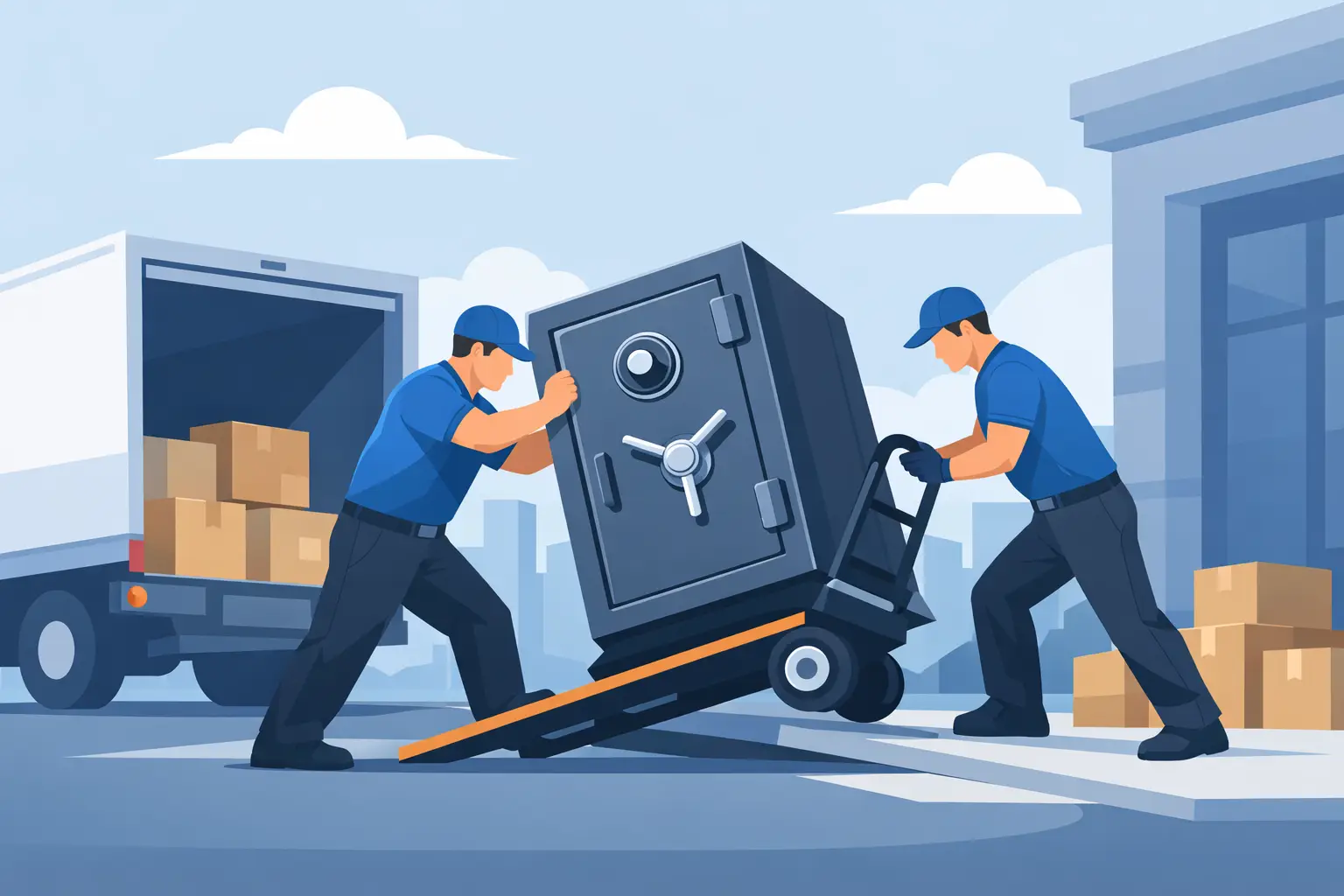
A gun safe, antique safe, or commercial security safe can weigh several hundred pounds before anyone even tries to move it. Do movers transport heavy safes? Yes, but not every moving company has the trained crew, equipment, insurance coverage, and planning needed to do the job safely. A safe move should never be treated like a standard furniture move.
Do Movers Transport Heavy Safes?
Professional movers can transport heavy safes when they offer specialty-item moving and have evaluated the job in advance. The safest approach is to work with a company that understands how to handle oversized, high-weight items through homes, offices, stairs, tight hallways, loading areas, and trucks.
Safes create a unique moving challenge because their weight is concentrated in a small footprint. A safe may look manageable compared with a large sectional or dining room set, but it can be far heavier. Many residential gun safes weigh 400 to 1,000 pounds. Larger fireproof, commercial, or vault-style safes may weigh well beyond that.
Moving one without the right equipment can damage floors, crack steps, dent walls, strain backs, or cause a serious injury. It can also put the safe itself at risk. A hard drop can affect door alignment, locking mechanisms, and finishes. Professional safe movers plan for control at every stage, not just getting the item out the door.
What Professional Safe Moving Usually Involves
A reputable moving crew starts by gathering details about the safe and both locations. Its approximate weight, height, width, depth, make, model, and current location all matter. So do obstacles such as staircases, porch steps, sharp turns, narrow doors, gravel driveways, elevators, and uneven ground.
The team may use specialized dollies rated for heavy loads, furniture pads, straps, skid boards, floor protection, ramps, lift gates, and properly secured truck space. Depending on the safe’s weight and access conditions, additional crew members or specialized equipment may be necessary.
A safe should be wrapped and secured to prevent shifting during transport. Once loaded, it needs to be tied down in a way that keeps it stable without damaging the exterior. This is especially important on a long-distance move, where the truck may travel over uneven roads for many hours.
At delivery, the crew should place the safe only after confirming the route and final location. Heavy safes are difficult to reposition, so it helps to decide exactly where it belongs before moving day. For upper floors, older homes, or locations with structural concerns, homeowners may also want advice from a qualified contractor about floor load capacity.
Safe Weight, Access, and Distance Affect the Price
Safe-moving pricing is not one-size-fits-all. A 300-pound safe on a ground-level concrete floor is a different job from an 800-pound safe in a basement with a tight stairway. The more labor, equipment, and risk involved, the more the move may cost.
The biggest factors are typically the safe’s weight and dimensions, the number of stairs, the distance from the door to the truck, access at both properties, and whether the move is local or long-distance. A safe that needs to be moved through a narrow hallway or around a stair landing requires more time and careful coordination than one with a clear, level path.
Be upfront when requesting a quote. Sending accurate measurements and photos of the safe, stairs, doorways, and entry path can help the moving company provide a more realistic estimate. Surprises on moving day can lead to delays, additional charges, or a decision that the item cannot be moved safely with the crew and equipment scheduled.
How to Prepare a Heavy Safe for Movers
Good preparation makes the job safer and helps keep the moving day on schedule. Before the crew arrives, make sure the route is clear and the safe is ready for transport.
- Empty the safe completely. Remove firearms, ammunition, documents, jewelry, cash, and other contents. Movers should not transport loaded firearms or unsecured valuables inside a safe.
- Secure or remove adjustable shelves, drawers, and interior accessories if the manufacturer recommends it. Loose parts can shift and add avoidable risk.
- Have the keys, combinations, and access instructions available. The crew may need the safe unlocked to confirm it is empty or to manage the door safely.
- Clear rugs, furniture, boxes, cords, and décor from the moving route. Measure doorways if access looks tight, and point out any fragile flooring or difficult steps.
If the safe is bolted to the floor or wall, discuss that before booking. Unbolting may require a separate service, and the crew needs to know whether anchors, bolts, or repair needs are involved. Never assume a safe can simply be pulled free on moving day.
When a Standard Moving Crew May Not Be Enough
Some safes require a highly specialized plan. Extremely heavy vault doors, bank safes, commercial safes, safes located above ground level, and units installed in tight basements may need machinery, additional labor, or a specialty rigging service.
There is no benefit to forcing a difficult move. A trustworthy company will explain the limitations, inspect the access, and recommend the safest available option. That may mean scheduling extra crew members, using different equipment, modifying the route, or arranging a specialty solution for an unusually heavy safe.
This is also why the cheapest quote is not always the best value. A low price means little if the crew arrives without the tools or experience to protect your home, business, and property. Ask whether the company regularly handles safes, what equipment it uses, and whether it needs photos or an onsite assessment before confirming the job.
Moving a Safe During a Full Household or Office Move
A safe should be included in the moving plan from the beginning, not mentioned when the truck arrives. It affects crew scheduling, truck loading order, equipment needs, and timing. In many cases, the safe is loaded in a specific position so it remains stable and can be delivered safely.
For businesses, planning is even more important. Office and retail safes may contain records, keys, cash-handling equipment, or confidential materials. Those items should be removed and secured by the business before the move. Managers should also confirm building rules, elevator reservations, loading dock access, and any required certificates of insurance.
For homeowners who are downsizing, moving into assisted living, or placing belongings in storage, consider whether the safe truly needs to travel immediately. A safe can be moved to a new home, but it may also need temporary storage while flooring, construction, or final placement is completed. A full-service company can make this easier by coordinating moving, storage, hauling, and delivery under one plan.
Newcomer Movers is locally owned and operated in Toledo, with experienced crews prepared to handle specialty items as part of a carefully planned local or long-distance move. The goal is straightforward: provide movers who care, protect the property, and make a high-stress move feel more manageable.
Common Questions About Heavy Safe Moving
Can movers move a safe up or down stairs?
They can in many cases, but stairs change the scope of the job. The safe’s weight, stair width, landing size, railing clearance, and stair construction must all be evaluated first. Some stair moves are practical with the right crew and equipment; others require a different route or specialty service.
Should I leave the safe door locked during transport?
Usually, the door should be secured according to the safe manufacturer’s guidance, but the movers may need access to verify that it is empty and manage its balance safely. Discuss the specific safe with the moving company before moving day rather than improvising at pickup.
Can a moving company transport firearms inside a gun safe?
No. Firearms, ammunition, valuables, and personal documents should be removed before the move. This protects you, the crew, and everyone involved in the relocation.
A heavy safe is worth moving with care, not shortcuts. Give the moving company clear details early, prepare the route, and choose a crew equipped to treat this challenging item like the serious job it is.