How to Choose the Best Movers for Antiques
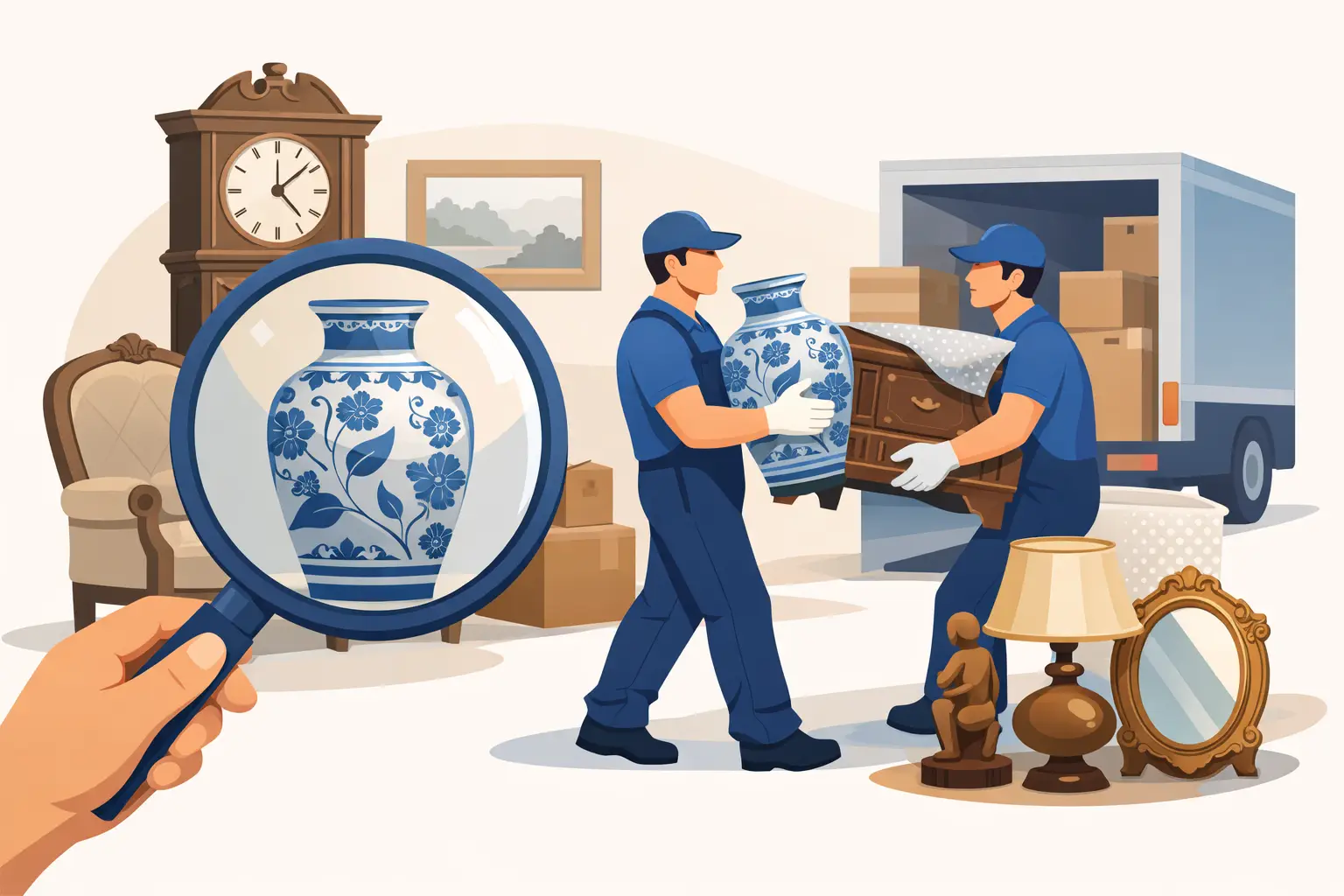
A chipped corner on a dining table can be repaired. A broken marble top, scratched century-old dresser, or lost piece of a family heirloom is a different matter. When valuables carry history as well as monetary value, choosing the best movers for antiques means looking beyond the lowest quote and asking how your belongings will actually be handled from pickup through delivery.
Antique furniture, artwork, clocks, mirrors, china cabinets, and collectibles are not ordinary household goods. They may have fragile finishes, loose joints, original glass, unusual weight distribution, or materials that react badly to heat, cold, and humidity. The right moving team recognizes those risks before the truck is loaded.
What Makes the Best Movers for Antiques Different?
A mover can be excellent at handling everyday boxes and still lack the planning needed for antiques. Specialty moving requires more than muscle. It requires trained crews, the right packing materials, careful loading methods, and a clear process for items that cannot simply be wrapped in a moving blanket and stacked in a truck.
Start by asking whether the company regularly handles fragile, oversized, and high-value belongings. A dependable mover should be comfortable discussing pianos, safes, large mirrors, antiques, fine furniture, and delicate collections. They should ask questions about dimensions, condition, access points, stairs, elevators, and whether the item needs disassembly before moving day.
Experience matters because antiques often create surprises. An old armoire may be too tall for a hallway unless its crown molding is removed. A grandfather clock may need its pendulum and weights secured separately. A glass-front cabinet may need its shelves, doors, and hardware protected and labeled. Good planning prevents rushed decisions when the crew arrives.
The best companies also explain what they will do, rather than promising to “be careful” without details. You should hear practical language about furniture pads, shrink wrap where appropriate, custom crating for especially fragile pieces, floor protection, secure tie-downs, and careful truck placement. That level of specificity is a sign that the mover takes responsibility seriously.
Ask About Packing Before You Book
Packing is often where antique protection is won or lost. A beautiful piece can be damaged before it ever reaches the front door if it is packed with the wrong materials or handled without support at its weak points.
For furniture, crews should protect corners, carved details, legs, veneers, and delicate finishes. Blankets and padding need to be secured so they do not slide during transport. Glass, marble, and mirrors may require additional reinforcement or crating depending on their size and condition. A heavy antique table should be carried from its strongest structural points, not lifted by a loose leaf or decorative edge.
It is also worth discussing what you will pack yourself and what the movers should pack. Small collectibles, silver, documents, photographs, jewelry, and highly personal family items may be better kept with you whenever possible. For fragile dishes, porcelain, crystal, and artwork, professional packing can be the safer option when the crew has the proper cartons, cushioning, and handling experience.
Do not assume that an item is safe because it is already in a box. Ask whether boxes containing fragile antiques will be clearly labeled, loaded upright when needed, and kept away from heavy items that could shift. The way the truck is loaded matters as much as the wrapping.
Document Condition Before Moving Day
Before packing begins, take clear photos of each antique from multiple angles. Capture existing scratches, chips, cracks, worn finishes, and identifying marks. For artwork, photograph the front, back, frame, and any signatures or labels. For furniture, include drawers, hardware, and removable components.
This is not about expecting a problem. It is about being organized. A condition record helps you keep track of every item and makes conversations easier if a question comes up later. Keep a written inventory with room locations, approximate value, and any special handling notes. If a piece has a fragile repair, loose veneer, or drawer that sticks, tell the crew before they touch it.
Storage Is Part of the Antique Moving Plan
Many moves do not happen in one clean day. A home sale may close before the new home is ready. A family may be downsizing and deciding which pieces will stay. A renovation can make temporary storage necessary. For antiques, the storage environment deserves just as much attention as the moving truck.
Climate-controlled storage is often the better choice for wood furniture, artwork, books, instruments, upholstery, and items with finishes that can react to major temperature or humidity swings. Damp conditions can encourage mold, warp wood, loosen veneers, and create musty odors. Extreme dryness can also cause wood joints and finishes to change over time.
Ask how the storage facility is secured, how items are stored within the unit or vault, and whether blankets or protective materials remain in place. If you need access during storage, confirm the process before moving day. Convenience is helpful, but preserving the condition of a family heirloom is the priority.
A full-service company can make this easier by coordinating packing, transport, and storage under one plan. Instead of arranging one provider to move the antique and another to store it, you have fewer handoffs and fewer opportunities for confusion. That is especially valuable during a long-distance move, an estate transition, or a downsizing project with several moving parts.
Compare Estimates the Right Way
The lowest price is not always the best value when antiques are involved. A vague estimate may leave out packing labor, special materials, stair carries, storage, delivery windows, or the extra time required to handle valuable pieces properly. Ask for a detailed explanation of what is included.
A trustworthy estimate should make it easier to compare companies fairly. Find out whether the quote covers packing supplies, disassembly and reassembly, specialty handling, loading, transportation, unloading, and any storage services you may need. If you are moving long distance, ask how delivery timing is managed and whether your antiques will remain on the same truck or be transferred.
You should also ask about valuation coverage and claims procedures. Movers typically provide options for protection, but the coverage level, exclusions, documentation requirements, and process for reporting damage can vary. If an item has significant financial value, consider getting an independent appraisal and reviewing your homeowner’s or renter’s insurance policy before the move.
Price still matters. Most families and businesses need a practical budget. The goal is not to pay for services you do not need. It is to avoid choosing a company that cuts corners on the one category of belongings that cannot be easily replaced.
Red Flags to Watch For
A mover should welcome reasonable questions about antiques. Be cautious if a company cannot explain its packing process, avoids giving written details, or treats fragile handling as an unnecessary add-on without learning what you own.
Other warning signs include rushed walkthroughs, unclear pricing, poor communication, and a crew that seems unfamiliar with large or delicate items. Reviews can also be useful when you look for specific comments about careful handling, punctuality, problem-solving, and respect for customers’ homes.
It depends on the item, but some antiques may need a higher level of protection than a standard household move. A valuable oil painting, museum-quality collectible, fragile sculpture, or rare instrument may require a specialist with custom crating and fine-art transport experience. A reputable moving company should be honest when a particular piece calls for a more specialized solution.
Careful Moving for Toledo and Long-Distance Relocations
For households in Toledo and surrounding Northwest Ohio communities, Newcomer Movers provides full-service moving, packing, storage, and specialty-item handling from a locally owned and operated team serving customers since 2007. Whether you are moving across town, relocating within Ohio, or heading across the continental United States, one coordinated plan can reduce the stress around valuable belongings.
Share your antique inventory early, especially if you have large furniture, delicate glass, heavy pieces, or items that need temporary climate-controlled storage. Early planning gives the moving team time to schedule the right crew, materials, equipment, and truck space for the job.
Your antiques have already lasted through decades of family life, changing homes, and changing styles. Give them a move planned with the same patience and care. Request a detailed quote, ask direct questions, and choose movers who treat every heirloom like it has a story worth protecting.