How to Rent a Moving Truck Without Costly Surprises
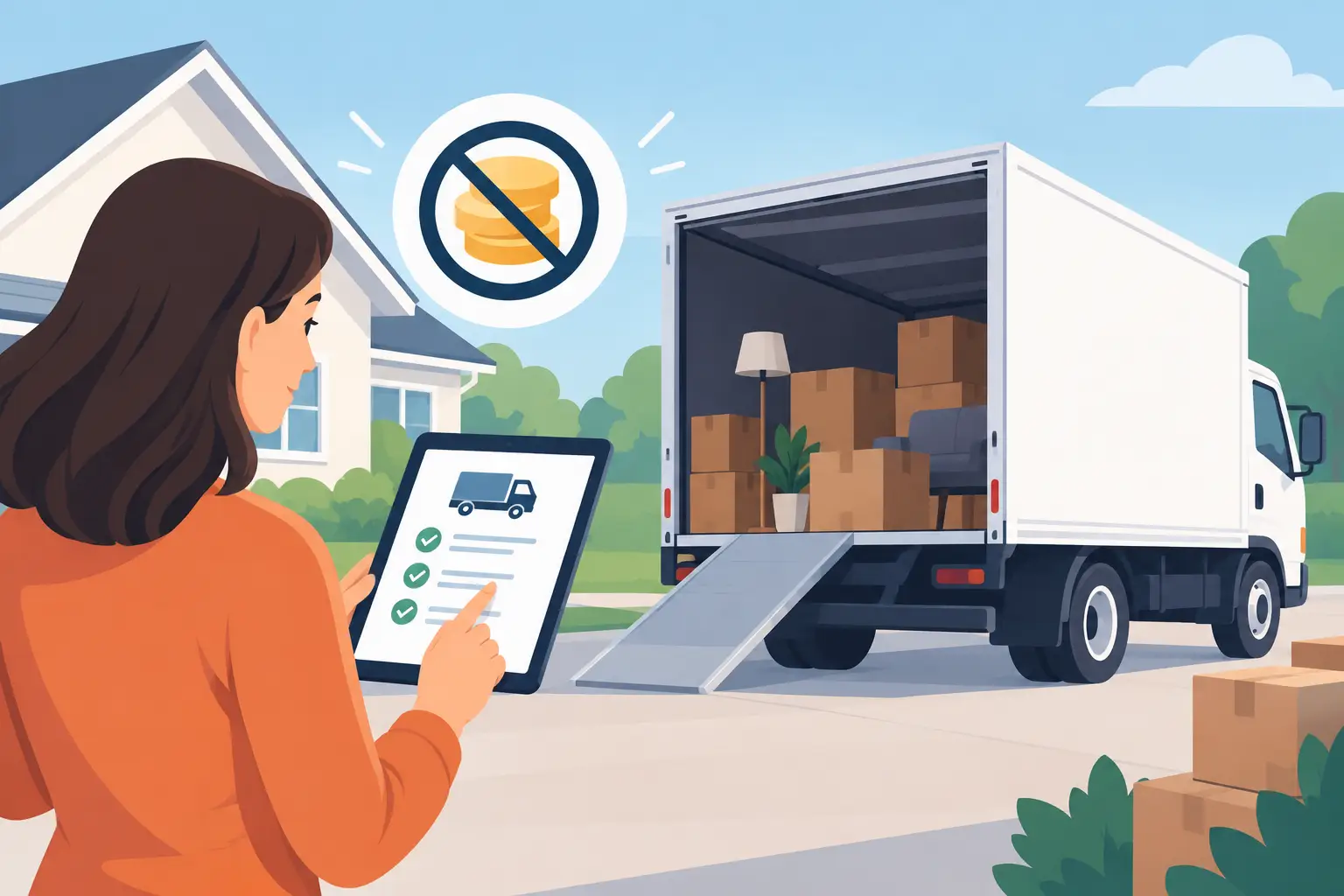
A moving truck can make a local move affordable and put you in control of the schedule, but the cheapest-looking daily rate is rarely the whole story. Knowing how to rent a moving truck means planning for the right size, mileage, fuel, protection options, and pickup timing before moving day arrives.
For households, students, seniors, and businesses around Toledo, a truck rental works best when it fits the job. Rent too small, and you may make multiple trips. Rent too large, and you could pay for space you do not need while driving a vehicle that feels harder to handle. A little preparation can prevent both problems.
How to Rent a Moving Truck: Start With the Right Size
Truck size is the decision that affects almost every other part of the rental. It influences your rental rate, fuel use, loading time, and whether you can finish the move in one trip. Do not estimate based only on the number of bedrooms. A lightly furnished three-bedroom home may fit in a smaller truck than a packed two-bedroom apartment filled with storage totes, garage tools, and large furniture.
Walk through every room, closet, basement, garage, shed, and storage unit before reserving a truck. Take note of the pieces that take up the most room: sectionals, mattresses, dressers, appliances, dining sets, exercise equipment, and boxed collections. If you are moving a piano, safe, oversized commercial equipment, or another unusually heavy item, make those details clear when you reserve. These items may require specialized equipment, additional labor, or a different transportation plan.
A practical estimate should account for more than boxes. Think about these four space users:
- Large furniture that cannot be stacked or turned on its side
- Mattresses, mirrors, televisions, and fragile items needing protection
- Garage, patio, and workshop equipment with awkward shapes
- Moving pads, straps, dollies, and the walking space needed to load safely
When you are between two sizes, the larger truck can be the better value if it avoids a second trip. That is especially true for longer local moves or moves with tight elevator reservation windows.
Compare the Full Rental Cost, Not Just the Daily Rate
A low advertised truck rate can be appealing, but ask for the complete estimate before you book. Local rentals are often charged by the day plus mileage, while one-way rentals are commonly priced as a package with a mileage allowance. The total depends on your route, truck size, rental dates, and return requirements.
Ask what is included and what may be added at pickup or return. Common costs can include mileage, fuel, taxes, equipment rentals, moving pads, damage protection, extra days, late-return fees, and cleaning charges. If you are planning a long-distance move, ask about the mileage limit and the cost per mile if you exceed it. If the rental is local, map your likely route, including trips back for forgotten items or a stop at a storage facility.
Fuel deserves its own line in the budget. Larger trucks use more fuel than passenger vehicles, and the tank generally needs to be returned at the level stated in your agreement. Take a photo of the fuel gauge and odometer before leaving the lot, then keep every fuel receipt until the rental is closed out.
Reserve Early, Especially During Busy Moving Times
Availability changes quickly near the end and beginning of each month, on weekends, and during summer. College move-outs, home closings, lease turnovers, and holiday weekends can make the right truck size harder to find. Reserve as soon as your move date is reasonably firm, ideally several weeks ahead for a busy period.
Before confirming the reservation, verify the pickup location, pickup window, return time, and what happens if your closing, elevator slot, or helpers run behind. Some moves need a truck for just a few hours; others need a full day or several days. Booking too short a window can create unnecessary pressure and expensive extensions.
If your schedule has moving parts, build in a buffer. A delayed key handoff, rain, traffic, or a slow loading crew can turn a carefully planned afternoon into an evening return. It is usually easier to reserve enough time upfront than to hope an extension is available later.
Bring What You Need at Pickup
The driver must meet the rental company’s age, license, payment, and identification requirements. Requirements can vary by provider and truck type, so confirm them before moving day instead of assuming a standard driver’s license is all you need.
Bring your driver’s license, payment card, reservation details, and proof of insurance if you plan to use your own coverage. Read the rental agreement before signing, particularly the fuel requirement, mileage terms, return deadline, roadside assistance process, and damage responsibility.
Walk around the truck with a staff member if possible. Photograph existing scratches, dents, windshield chips, tire condition, interior damage, and the cargo area. Check that the ramp or liftgate works as expected and that any rented dolly, furniture pads, straps, or appliance hand truck is present. This takes only a few minutes and gives you a clear record of the vehicle’s condition.
Decide Whether Protection Coverage Makes Sense
Protection coverage is not one-size-fits-all. Your personal auto policy may cover some rental vehicles, but moving trucks are often treated differently than passenger cars. Credit card benefits can also have exclusions for larger vehicles, cargo damage, or liability. Call your insurance agent before pickup and ask direct questions about the truck size you are renting and the coverage you need.
Rental protection can add cost, but it may be worthwhile if a claim would create a serious financial setback. Review what each option actually covers. Damage to the truck, your belongings, injury liability, and roadside problems may be handled under different terms. Also understand exclusions, such as improper loading, overhead clearance accidents, or driving on restricted roads.
Load the Truck Like the Drive Matters
A properly loaded truck is easier to drive and safer for your belongings. Load heavy items first and keep the weight low and toward the front of the cargo box, closest to the cab. Place furniture pads around wood pieces, glass, and finished surfaces. Use straps to secure each section of the load, not just the last few items near the door.
Keep lighter boxes on top of heavier boxes, and do not leave empty gaps where belongings can shift. Mattresses can help cushion the sides of the truck, while mirrors and framed artwork should ride upright and protected. Avoid putting loose items in the cab or blocking your view through mirrors.
The truck will brake, turn, and accelerate differently than a car. Leave extra following distance, take turns wider, watch your height at gas stations and drive-throughs, and avoid low-clearance routes. If you have never driven a box truck, take a few calm minutes in an open area to adjust mirrors, practice braking, and learn the vehicle’s turning radius before heading into busy traffic.
Know When a Rental Truck Is Not the Best Fit
Renting a truck is a solid option for capable movers with enough help, a straightforward route, and time to handle loading and unloading. It may not be the best choice when stairs are steep, furniture is extremely heavy, the move involves fragile specialty items, or your schedule is too tight to manage the labor yourself.
That is where a locally owned, 5-star-rated team can make the move easier. Newcomer Movers has been serving Toledo-area customers since 2007 with truck rentals, moving labor, packing, storage, heavy-item handling, hauling, and long-distance moving support. You can rent the truck, add the help you need, or choose a full-service plan built around your home or business.
Before you turn the key, confirm your route, your loading crew, your return time, and your final fuel plan. The right truck is only part of a good move – a realistic plan is what gets your belongings safely from one door to the next.