Does Storage Prevent Mold Damage? What Helps
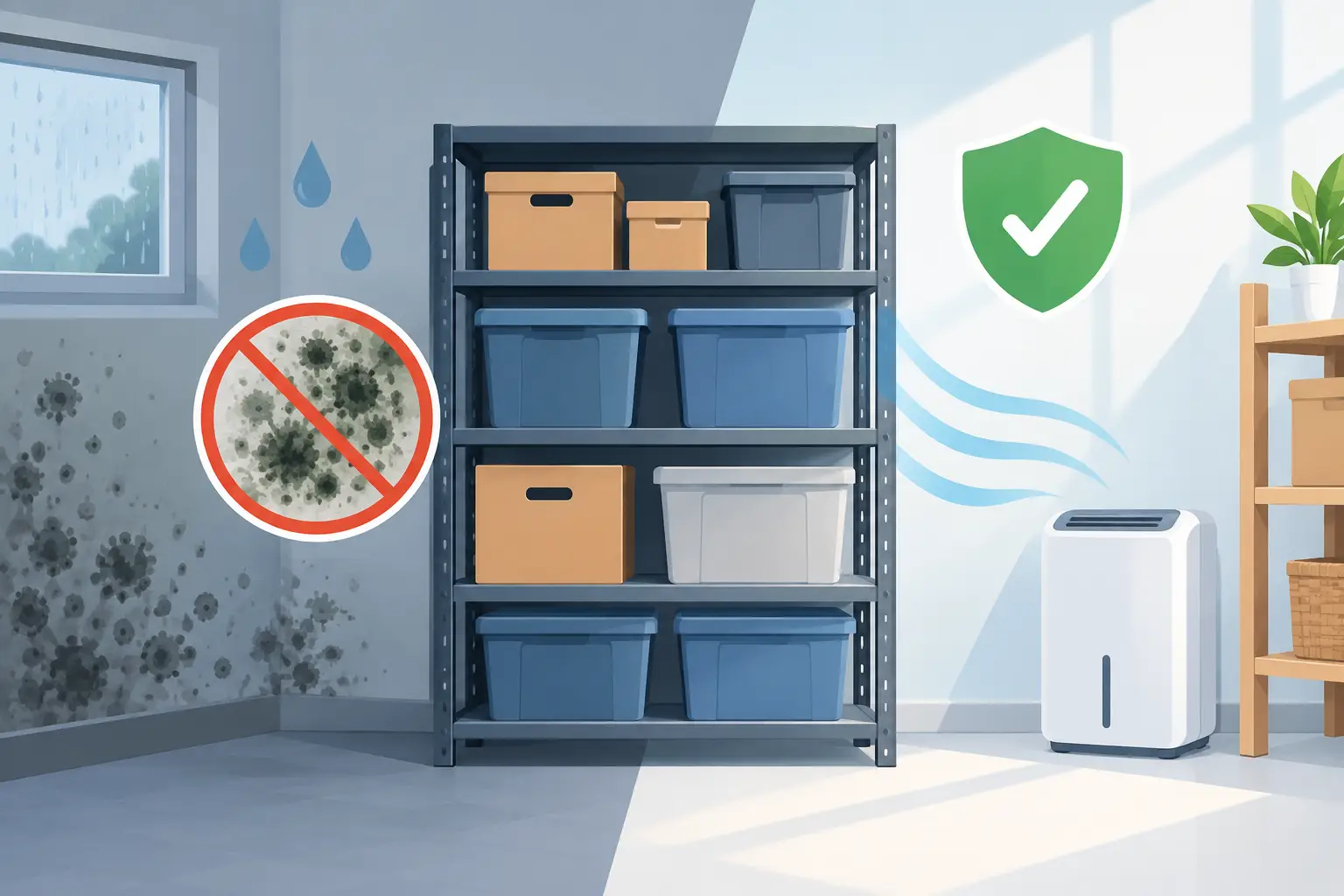
A cardboard box that feels cool or damp, a musty smell on an upholstered chair, or small specks on a stored photo album can turn a simple storage project into an expensive problem. So, does storage prevent mold damage? Storage can help protect belongings, but only when the space, packing method, and condition of the items are right. A unit alone does not stop mold. Dry, clean belongings stored in a dry, well-managed environment have the best chance of staying mold-free.
For Toledo-area households, businesses, students, and families between moves, that distinction matters. Ohio weather can bring humid summers, wet springs, snow, and sudden temperature swings. Belongings placed in storage for a few weeks or several months need more than a locked door. They need a plan that keeps moisture from getting trapped.
Does Storage Prevent Mold Damage on Its Own?
No. Storage does not automatically prevent mold damage, especially in spaces with high humidity, water leaks, poor ventilation, or major temperature changes. Mold needs moisture and a material it can feed on. Paper, cardboard, fabric, wood, leather, dust, and many household residues can all support mold growth when conditions are damp enough.
The good news is that proper storage can greatly reduce the risk. A clean, dry storage unit keeps belongings away from rain, basement moisture, crowded rooms, and other conditions that often lead to mildew and mold. Climate-controlled storage adds another layer of protection by helping limit big changes in temperature and humidity.
Storage is most effective when customers prepare items before move-in. Putting a damp rug, wet patio furniture, or a refrigerator with moisture still inside into any unit can introduce the very problem you are trying to avoid.
Why Mold Grows in Stored Belongings
Mold is often blamed on the storage unit, but it may begin before the item is loaded. A couch that sat in a humid garage, boxes packed from a damp basement, or clothes stored before they were fully dry can carry moisture into the unit. Once the door closes, moisture has fewer opportunities to escape.
Condensation is another concern. When warm, humid air meets a cooler surface, water can form on metal, plastic, walls, or items near exterior areas. This is why seasonal conditions and the type of storage space matter. A climate-controlled environment is often a smart choice for belongings that are sensitive to humidity, such as wood furniture, artwork, records, instruments, electronics, documents, and family keepsakes.
Mold can also grow where customers do not immediately see it: under furniture cushions, inside drawers, behind wrapped items, or at the bottom of boxes resting directly on a concrete floor. That is why careful preparation is more valuable than simply packing more tightly.
How to Prepare Items Before They Go Into Storage
Start with the condition of each item. Everything should be clean and completely dry before it is packed, wrapped, or loaded. Wipe down furniture, allow rugs to air out, empty and dry appliances, and make sure clothing and linens have no moisture or lingering food stains. Even a small amount of dampness can spread through fabrics and cardboard over time.
Avoid storing food, pet supplies, candles, wet cleaning products, or anything that can leak, spoil, or attract pests. These items can create odors and residue that make stored belongings harder to protect. Refrigerators and freezers should be emptied, cleaned, dried, and left slightly open if they are being stored.
For furniture, use clean moving pads, breathable covers, or proper wrapping materials. Heavy plastic can be useful during a move to protect an item from rain or dirt, but sealing wood or upholstered furniture in plastic for a long storage period can trap humidity. The right protection depends on the item and the length of storage.
Packing Choices That Reduce Moisture Risk
Cardboard boxes are practical, but they are not always the best answer for everything. They can absorb moisture, weaken, and become a food source for mold if the environment is damp. Sturdy plastic totes with secure lids can offer better protection for some belongings, especially documents, seasonal clothing, linens, and small household goods.
For important papers, photographs, books, and collectibles, use clean, dry containers and keep them elevated. Avoid packing boxes so tightly that airflow is impossible, and do not put wet-weather gear, laundry, or cleaning supplies in the same container as paper goods.
These four packing habits make a real difference:
- Use clean boxes or sealed plastic totes rather than reused boxes that smell musty or show water damage.
- Raise boxes and furniture off the floor with pallets, shelving, or a sturdy platform.
- Leave a small amount of space between belongings and walls so air can move around the unit.
- Label boxes clearly so you can find what you need without shifting or opening everything later.
A well-organized unit is easier to check. When there is a clear walkway and items are not pressed tightly against each other, you are more likely to notice a problem early.
When Climate-Controlled Storage Is Worth It
Climate-controlled storage is not necessary for every item, but it is a valuable choice when belongings are sensitive, valuable, or being stored through changing seasons. It helps maintain a more consistent environment than a space exposed to outdoor temperature swings.
Consider climate control for antique or wood furniture, leather goods, electronics, instruments, business records, artwork, photographs, vinyl records, books, and upholstered pieces. It is also a strong option for long-term storage, estate transitions, downsizing projects, and moves with uncertain closing dates.
There is a cost trade-off. Standard storage may be a good fit for sturdy, dry items that are only being stored briefly, such as properly prepared tools, outdoor equipment, or boxed household goods. But choosing the least expensive option can become costly if moisture damages a sofa, a collection of records, or paperwork that cannot be replaced. The value of the belongings and the expected storage time should guide the decision.
Arrange the Unit for Airflow and Easy Checks
How you load the unit matters nearly as much as what you pack. Keep furniture and boxes off the floor when possible, particularly if you are storing during wet seasons. Place heavier items at the bottom and avoid creating tall, unstable stacks that block access.
Leave a center aisle so you can inspect the space without unloading it. Keep upholstered furniture, mattresses, and wood pieces from being pressed directly against exterior walls. If you are storing a mattress, cover it with a breathable mattress bag designed for moving and storage, then store it flat only when the manufacturer allows it or upright with proper support.
Check the unit periodically, especially after severe weather, a long period of high humidity, or a change in season. Look for dampness, odors, water stains, condensation, or signs that boxes are softening. Catching moisture early gives you a chance to remove affected items, dry them properly, and correct the storage setup before the damage spreads.
What to Do if You Notice a Musty Smell
Do not ignore a musty odor. It does not always mean visible mold is present, but it is a clear reason to inspect your belongings. Open the unit, identify any damp or affected items, and avoid packing the smell back into sealed containers.
Small surface issues on nonporous items may be cleaned and dried according to the material’s care instructions. Porous items such as upholstered furniture, paper, rugs, insulation, and heavily damaged cardboard may require professional assessment or disposal. If mold covers a large area or involves valuable antiques, documents, or business inventory, professional help is often the safer choice.
The next step is finding the source. Check whether an item was put away damp, whether boxes are touching the floor, or whether the environment is appropriate for what you are storing. Simply spraying fragrance over an odor does not solve the moisture issue.
Storage Support From Movers Who Care
The easiest way to reduce mold risk is to make good decisions before moving day, not after a problem appears. Newcomer Movers is locally owned and operated in Toledo, with storage options and experienced moving help for customers who need careful handling, packing support, and a practical plan for their belongings. Whether you are between homes, clearing out a business space, downsizing, or preparing for a long-distance move, choosing the right storage conditions helps protect what matters.
Before you store, take a few extra minutes to dry, clean, elevate, and organize your belongings. Those simple steps can protect furniture, paperwork, keepsakes, and the peace of mind you need during a busy transition.