Benefits of Climate Controlled Storage for Belongings
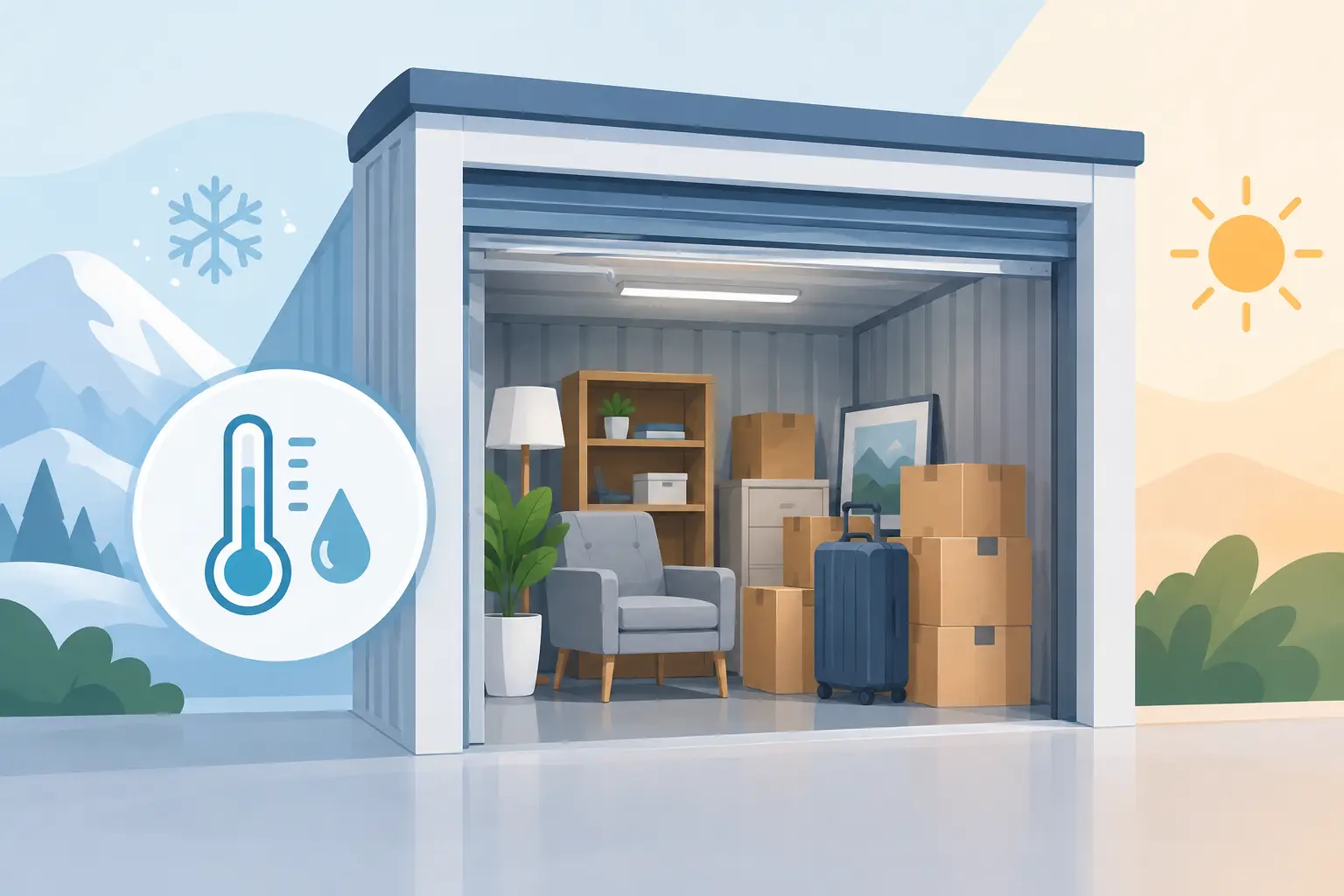
Toledo weather can put stored belongings through a lot. A summer heat wave, a damp stretch of spring rain, and a hard winter freeze can all affect items that sit in an ordinary storage unit for months. The benefits of climate controlled storage are simple: it gives your possessions a more stable environment when your home, office, or move timeline does not.
For many households and businesses, storage is not just a place to put extra boxes. It is where family furniture waits during a move, where business records stay organized, or where valuable equipment is kept until it is needed again. Choosing the right unit helps protect the things you worked hard to own.
What Climate Controlled Storage Does Differently
Climate controlled storage is designed to maintain a more consistent indoor temperature than a standard outdoor-access unit. Many climate controlled facilities also help limit humidity swings, which matters because moisture can be just as damaging as extreme heat or cold.
That stable environment reduces the stress that repeated temperature changes can place on wood, paper, fabrics, electronics, and other sensitive materials. Instead of facing hot, humid air one season and freezing temperatures the next, belongings remain in a cleaner, more predictable setting.
Not every climate controlled unit operates at the exact same temperature or offers the same level of humidity management. Before renting, ask what the facility monitors, whether units are indoors, and how customers access the building. Those details help you choose storage that matches what you plan to keep.
Benefits of Climate Controlled Storage During a Move
Moving rarely happens on a perfect schedule. A closing date can shift, an apartment may not be ready, or a renovation can take longer than expected. Climate controlled storage gives you room to make decisions without rushing to place sensitive belongings in a garage, basement, or spare room.
Furniture is one of the biggest reasons customers choose this option. Wood can expand and contract as temperatures change, which may contribute to warping, cracks, loose joints, or damaged finishes over time. Upholstered furniture can also absorb odors and moisture in a poorly ventilated space. A stable storage environment helps preserve sofas, dining sets, bedroom furniture, antiques, and family pieces while you wait for the next stage of your move.
It is also a smart choice for long-distance moves. If your delivery date does not line up with your move-out date, your belongings may need to be stored for several weeks or months. Keeping them in a climate controlled unit can provide more confidence than leaving sensitive items in a non-conditioned space through an Ohio season change.
Better protection for the items that do not replace easily
Some belongings are expensive to replace. Others are irreplaceable, even if their dollar value is modest. Climate controlled storage is especially useful for items such as:
- Wood and upholstered furniture, including antiques and heirlooms
- Documents, books, photographs, artwork, and collectibles
- Electronics, televisions, computers, and media equipment
- Musical instruments, seasonal clothing, and specialty household items
Paper-based items can yellow, curl, or develop mildew when exposed to damp conditions. Photos, books, and records may stick together or deteriorate. Electronics may be affected by condensation and temperature extremes, particularly if they are stored for an extended period. Instruments with wood components can be sensitive to changing conditions as well.
For these items, climate control is not a guarantee against every type of damage. Proper packing still matters. Use clean, sturdy boxes; keep belongings off the floor when possible; avoid plastic wrap directly against wood for long periods; and never store items that are wet. Climate control works best as part of a careful storage plan.
A Cleaner Choice for Business Storage
Businesses often need storage for more than surplus office chairs. Files, inventory, display materials, technology, product samples, and seasonal equipment all need a secure place between projects, locations, or busy seasons.
A climate controlled unit can be a practical fit when materials need to stay presentable and ready for use. Printed marketing materials may curl in humidity. Archived paperwork can become difficult to read if it picks up moisture. Electronics and office equipment are better protected from dramatic changes in temperature, especially when they will sit unused for a while.
For local offices, retail operations, contractors, and industrial teams, the goal is to avoid paying twice: once to store items and again to replace damaged materials. The right storage setup helps keep operations organized while freeing up valuable workspace.
When Standard Storage May Be Enough
Climate controlled storage is not necessary for every item. Outdoor tools, lawn equipment, sealed plastic bins of durable household goods, and many garage-type items may do fine in a standard unit if they are properly cleaned and stored. If cost is your main concern and your belongings are built for changing weather, a traditional unit can be a sensible option.
The decision comes down to what you are storing, how long it will be stored, and what condition you expect it to be in when you retrieve it. A short-term unit for patio furniture is different from long-term storage for a leather sofa, business records, or a piano.
Consider climate control when an item is sensitive to moisture, has a wood, fabric, paper, or electronic component, carries sentimental value, or would be costly to replace. It is often a worthwhile investment when storage will extend through Toledo’s humid summers and cold winters.
How to Prepare a Climate Controlled Unit
Even a well-maintained unit needs smart organization. Start by creating an inventory of what you place in storage. This is useful during a move, for insurance purposes, and when you need to find one specific box months later.
Pack heavy items in smaller boxes that can be safely lifted. Label boxes on more than one side, and keep frequently needed items near the front. Disassemble furniture when appropriate, keep hardware in labeled bags, and use furniture pads or covers to protect surfaces from scratches and dust.
Leave small walkways instead of filling every inch of the unit. Air should be able to move around your belongings, and you should be able to inspect items without unloading the entire space. Avoid storing food, perishables, damp clothing, or anything with a strong odor. These items can create problems no storage environment is meant to solve.
If you are storing a mattress, sofa, or large furniture, ask about the best covers and placement. Professional movers can also help with packing, wrapping, loading, and arranging a unit so your belongings are protected from the start.
Storage That Fits the Rest of Your Move
The best storage plan should make your move easier, not create another project to manage. If you need packing supplies, moving help, hauling, truck rental, or a place to store belongings between homes, working with one dependable local team can save time and reduce stress.
Newcomer Movers has served Toledo-area customers since 2007 with moving, storage, hauling, and specialty-item handling from movers who care. Whether you are downsizing, waiting on a closing, relocating an office, or making room during a renovation, ask about a storage solution that fits your timeline and the items you need to protect.
A little planning now can make the day you open that unit much easier. Choose storage based on the value and condition of what you are keeping, pack it with care, and give your belongings the stable space they deserve.