Truck Rental Guide for a Smooth Ohio Move
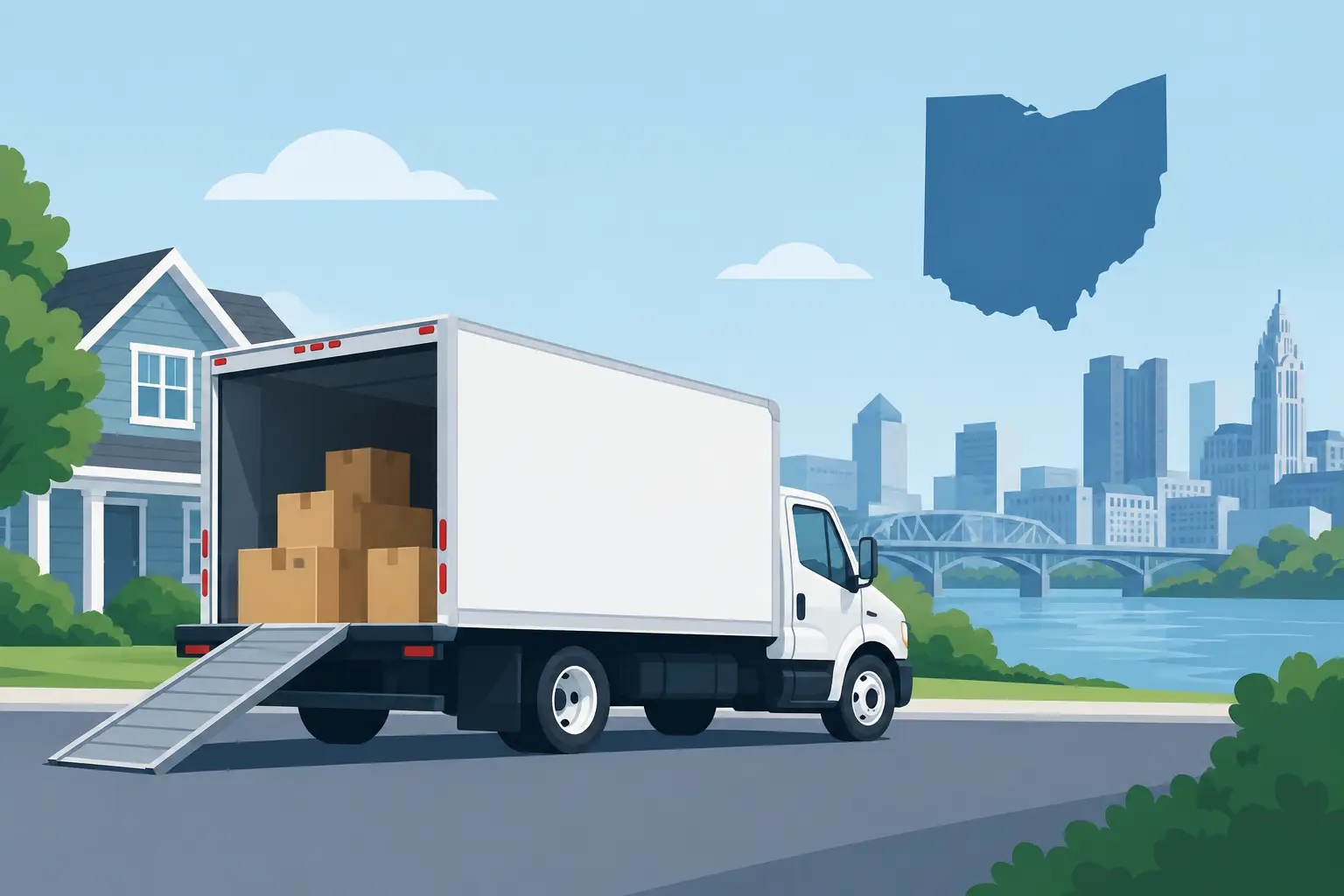
A truck rental can save money and give you control over your moving schedule, but only if the truck, timing, and loading plan fit the job. This truck rental guide is built for Toledo-area renters, homeowners, students, families, and business owners who want a practical move without surprises on moving day.
The right rental is not always the biggest truck available or the lowest advertised daily rate. Your actual cost and experience depend on how much you are moving, how far you are traveling, whether you need help loading, and how prepared you are before the keys are in your hand.
Start With the Size of Your Move
Truck size is the first decision, and it affects nearly everything else: fuel use, driving comfort, loading time, parking, and the number of trips you may need. A truck that is too small can turn one moving day into two. A truck that is unnecessarily large may cost more to operate and be harder to handle on narrow streets, apartment lots, or busy commercial areas.
For a dorm room, studio, or small one-bedroom apartment, a cargo van or small truck may be enough. These are often easier to drive and park, especially for local moves. A one- or two-bedroom home usually calls for a medium box truck, while larger homes, multi-bedroom moves, and business relocations often need a larger box truck with a loading ramp.
Square footage gives a rough starting point, but your belongings matter more than the floor plan. A lightly furnished two-bedroom apartment may fit in less space than a one-bedroom home filled with books, tools, patio furniture, and storage totes. Take inventory before reserving. Pay close attention to sofas, sectionals, mattresses, appliances, desks, shelving, and large boxes.
When a Larger Truck Makes Sense
Choose more cargo space when you have bulky furniture, are moving long-distance, or cannot afford a second trip. A larger truck can also be the better choice when several people are helping load. With enough room to organize the cargo area correctly, your crew can work faster and protect items better.
There is a trade-off. Larger trucks need more room to turn, stop, and park. Before booking, consider the driveway, street access, low-hanging branches, overhead clearance, and loading area at both locations. For downtown apartments or offices, verify where the truck can legally stop and whether building management requires a loading reservation.
A Truck Rental Guide to Pricing and Reservations
Rental pricing can look simple at first, but the full cost may include more than the base rate. Local rentals may involve mileage charges, fuel, taxes, equipment fees, and optional coverage. One-way and long-distance rentals are commonly priced differently and may include a set mileage allowance. Ask for the complete estimate before you commit.
Your reservation should confirm the pickup time, return deadline, pickup and drop-off locations, included mileage, fuel policy, deposit requirements, and any charge for late returns. If you are moving on a weekend, at the end of the month, during the summer, or around a holiday, reserve early. Those dates are in high demand, and waiting can limit your truck-size options.
Do not assume the truck will be full of useful moving equipment. Ask whether a ramp, hand truck, furniture pads, straps, and appliance dolly are included or available. A ramp is especially helpful for refrigerators, washers, dryers, large furniture, and heavy boxes. The right equipment can prevent injuries and protect your belongings from drops, scrapes, and shifting during transport.
Fuel deserves its own plan. Know the truck’s required fuel type, note the fuel level before leaving the lot, and take a clear photo of the gauge and vehicle condition. Return the truck at the required level whenever possible. Filling it yourself near the return location is usually easier on the budget than paying a refueling charge.
Prepare Before Pickup Day
A rental truck is most useful when your home or office is ready to load. Packing while the truck sits outside creates stress, adds rental time, and leaves helpers standing around. Have boxes sealed, labeled, and grouped by room before pickup whenever possible.
Use strong boxes for heavier items and keep each box manageable to lift. Books, files, canned goods, and tools should go in smaller cartons. Lighter items such as linens, pillows, and clothing can go in larger boxes. Label each box with its destination room and a brief note if it contains fragile items.
Create a small essentials kit that stays with you instead of going into the cargo area. Include identification, medications, phone chargers, keys, important documents, basic tools, water, snacks, and anything needed for children or pets. If you are moving into storage first, keep the items you will need immediately clearly separated from longer-term belongings.
A quick walkthrough before pickup also helps you avoid overlooked tasks. Confirm elevator times, reserve parking if needed, measure doorways for oversized furniture, and arrange care for children and pets. For a business move, identify what equipment must remain operational until the final day and what can be moved in advance.
Load the Truck for Safety, Not Just Speed
The goal is a stable load that stays secure when the truck turns, brakes, or travels over uneven pavement. Load the heaviest items first and place them toward the front of the cargo area, closest to the cab. Appliances, dressers, bookcases, and large furniture create a solid base when positioned properly.
Keep the weight balanced from side to side. Do not stack all heavy items on one wall or leave empty gaps where furniture can slide. Use moving pads around wood furniture, glass, mirrors, and finished surfaces. Secure sections with straps or tie-downs as you go rather than waiting until the end.
Mattresses, sofas, and upholstered chairs can often stand upright to save floor space, but only if they are stable and protected. Put lighter boxes on top of sturdy furniture or toward the rear after the heavy base is in place. Avoid placing heavy cartons on lamps, chairs, electronics, or boxes marked fragile.
If you are unsure how to handle a piano, safe, oversized appliance, or delicate commercial equipment, do not make it a do-it-yourself experiment. These items require the right tools, training, and enough experienced hands. Professional heavy-item transport may cost more upfront, but it can prevent damage to the item, the property, and the people doing the lifting.
Drive Like You Are Driving a Truck
Even a smaller box truck handles differently from a car. It is taller, wider, heavier, and slower to stop. Adjust your mirrors before leaving, leave extra following distance, take turns wider, and watch for clearance signs at bridges, drive-throughs, garages, and tree-lined streets.
Give yourself more time than your phone map suggests. You may need to avoid roads with low clearances, limited truck access, or tight turns. Backing up deserves special care. Whenever possible, use a spotter outside the vehicle, agree on clear hand signals, and back slowly. A few extra minutes in a parking lot are far better than damage to a fence, dock, vehicle, or building.
Decide When Rental Help Is Worth It
A truck rental is a strong option for people who have reliable help, a manageable amount of furniture, and a clear plan. It can also work well for local storage moves, college moves, donation drop-offs, and small office relocations.
But truck rental is not the only answer. If your schedule is tight, your move includes stairs, you have valuable or heavy belongings, or you need packing and storage at the same time, bundling services can be the easier choice. Newcomer Movers is locally owned and operated since 2007, offering truck rentals alongside packing, moving, hauling, storage, and specialty-item handling for customers who want one dependable team.
Before signing the rental paperwork, inspect the truck, confirm the return details, and make sure you have the people and equipment needed for the job. A little preparation turns a rental truck from a moving-day gamble into a useful tool – and gives you more time to focus on settling into the place you chose next.