Apartment Move In Guide for Your First 48 Hours
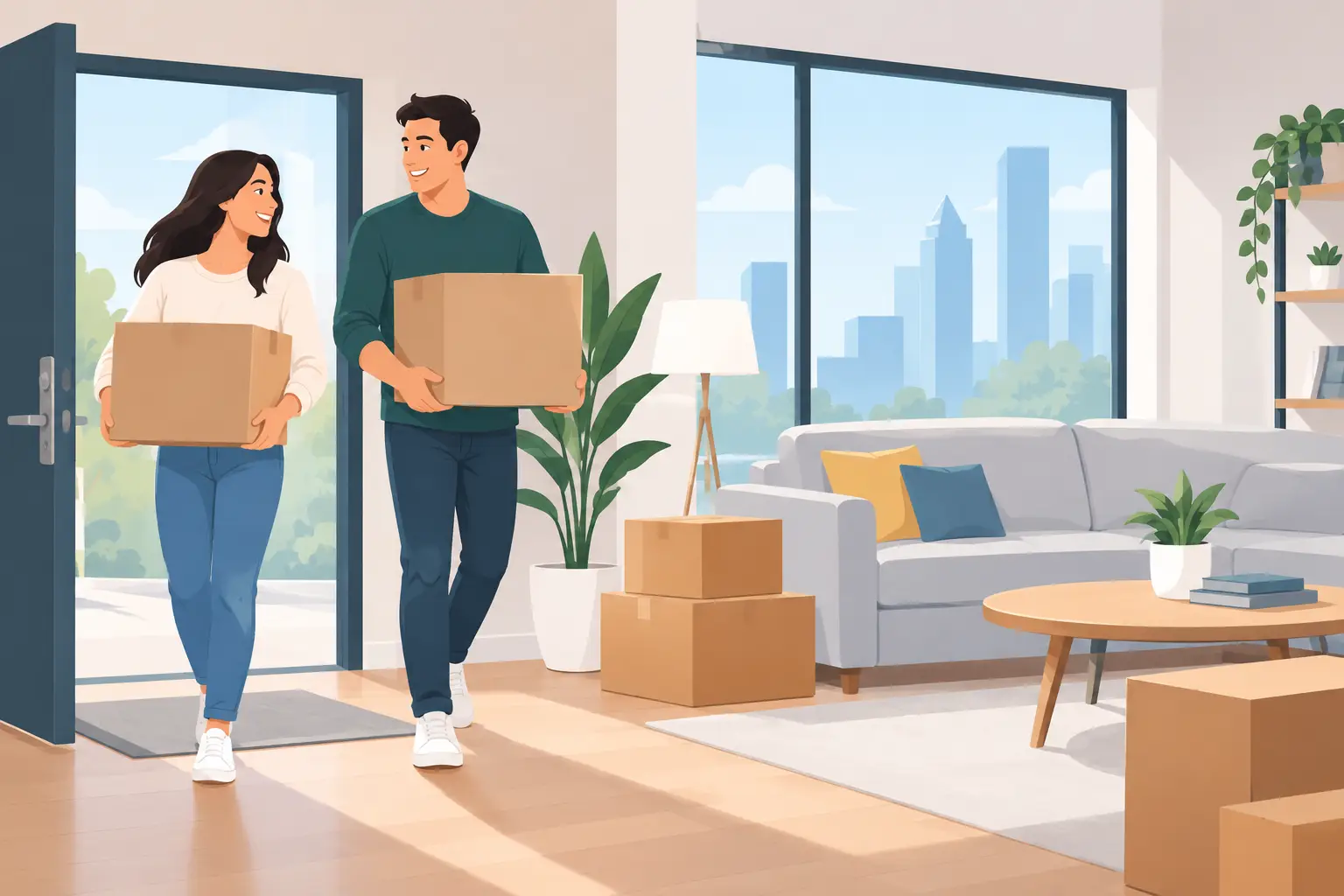
The truck is unloaded, the lease is signed, and suddenly every box is asking for attention at once. A good apartment move in guide gives you a better first move than tearing open the nearest box: protect the apartment, confirm the essentials work, and create one comfortable place to sleep, eat, and reset.
Moving into an apartment has its own set of details. There may be elevator reservations, narrow hallways, parking rules, shared entry doors, and a property manager who needs to know exactly when your move is happening. A little order during the first 48 hours can prevent damage charges, missing deliveries, and a frustrating first night.
Before the Moving Truck Arrives
Your lease may list move-in rules that are easy to miss when you are focused on packing. Review the approved move-in window, loading-zone instructions, elevator procedures, and requirements for floor or wall protection. If your building requires a certificate of insurance, a parking pass, or a reserved elevator, handle it before moving day.
Measure the entry door, stairwell turns, elevator, and any tight hallway corners if you have large furniture. A couch that fits beautifully in the living room is not much help if it cannot make the turn at the third-floor landing. For heavy pieces, including safes, pianos, large dressers, and appliances, professional handling is often the safer choice for both your belongings and the property.
Keep these items with you instead of placing them on the moving truck:
- Lease documents, keys, parking permits, and photo ID
- Medications, valuables, chargers, and important records
- Basic cleaning supplies, paper towels, and trash bags
- A first-night bag with bedding, toiletries, towels, and a change of clothes
- Pet supplies or children’s comfort items, if needed
- A small toolkit, scissors, box cutter, flashlight, and phone charger
This is the box or bag that keeps a minor problem from becoming a late-night scramble.
Document the Apartment Before You Unpack
Before furniture covers the floors and boxes fill the rooms, walk through the apartment with your phone. Take clear, time-stamped photos and videos of every room, including floors, walls, ceilings, windows, closets, appliances, and bathroom fixtures. Open cabinets, look under sinks, and photograph scratches, stains, loose hardware, chipped tile, or existing damage.
Complete the move-in condition form carefully and send it to the landlord or property manager within the required timeframe. Do not assume a quick verbal conversation is enough. Written documentation protects your security deposit and provides a record if a repair issue comes up later.
Test the basics while the apartment is still easy to inspect. Turn on hot and cold water, flush each toilet, check drains, test outlets, run lights, and confirm that locks and windows work properly. If an appliance is included, check the refrigerator, stove, dishwasher, washer, dryer, and garbage disposal. Report concerns promptly, preferably with photos.
Make the Home Safe and Functional First
You do not need to unpack everything on day one. You do need to know that the apartment is safe and usable. Locate the electrical panel, water shutoff information if available, fire extinguishers, emergency exits, and your building’s after-hours maintenance contact.
Test smoke and carbon monoxide detectors. If batteries are low, alarms are missing, or a detector does not work, notify management right away. Confirm that exterior doors lock securely and that you understand how visitors, deliveries, and package access work in the building.
If you are moving into an older building or a unit that has been vacant for a while, spend extra time checking for leaks, pest concerns, unusual odors, or heating and cooling problems. It is far easier to address these issues before the apartment is filled with boxes.
Set Up Utilities, Internet, and Address Changes
Some utilities may be included in rent, while others need to be transferred or opened in your name. Review your lease so you know who handles electricity, gas, water, trash, internet, and renter’s insurance. Schedule internet installation as early as possible if you work from home, attend online classes, or rely on a stable connection for school and family needs.
Update your mailing address with your bank, employer, insurance providers, medical offices, subscriptions, and any government agencies that send important records. Set up mail forwarding if appropriate, but do not rely on it as your only step. Packages and time-sensitive notices can still go to the wrong place if individual accounts are not updated.
For apartment deliveries, add unit numbers, building codes, and clear instructions where allowed. A missing unit number is one of the simplest ways to turn a routine delivery into a lost package.
Unpack in the Order You Will Use Things
The best unpacking plan is not room by room on paper. It is based on what helps your household function first. Start with the bedroom, bathroom, and kitchen basics. Assemble beds before you are tired, make the bathroom usable, and clear enough counter space to prepare a simple meal.
Next, create a landing zone near the entrance for keys, mail, shoes, and bags. Apartments can feel crowded quickly, and this small area keeps daily clutter from spreading across the living room. Break down empty boxes as you go rather than letting them become another pile to manage.
Furniture placement matters more in an apartment because every walkway counts. Keep paths open from the entry to bedrooms, bathrooms, and exits. Avoid blocking air vents, radiators, electrical outlets, or closet doors. If a room feels tight, it may be better to store a few extra pieces than force every item into the space.
For customers who need time between homes, Newcomer Movers provides moving, packing, hauling, and storage solutions that can keep a move from becoming a race against a lease date. Locally owned and operated since 2007, the team can help with apartment moves, heavy items, portable storage, and the practical details that come with changing addresses.
Get to Know Your Building During the First Week
Once the urgent work is done, learn the routines that make apartment living easier. Find the laundry room, trash and recycling area, package location, mailbox, parking spaces, guest parking rules, and building entrance procedures. Save the property manager’s number and understand how maintenance requests should be submitted.
Introduce yourself to nearby neighbors when the moment is natural. You do not need a long conversation, but a friendly hello can help you learn quiet hours, delivery habits, and useful building information. If you are moving with children, ask about safe outdoor areas and school-bus pickup locations. If you have a pet, confirm leash rules, pet waste stations, and designated walking areas.
Be mindful of shared walls and hallways during the unpacking period. Keep boxes and furniture out of common areas, follow designated trash rules, and avoid late-night assembly projects when possible. Good neighbor habits start before the pictures are on the wall.
A Better First Night Starts With Less Pressure
Plan a simple meal, keep water and snacks nearby, and stop unpacking when the essentials are in place. Your apartment does not need to look finished by bedtime. It only needs a made bed, a working bathroom, a charged phone, and a clear path through the rooms.
Give yourself permission to live with a few boxes for a few days while you decide what belongs where. A careful start protects your deposit, reduces stress, and gives your new apartment the chance to feel like home on your terms.