Pet Moving Tips for a Safer, Calmer Move
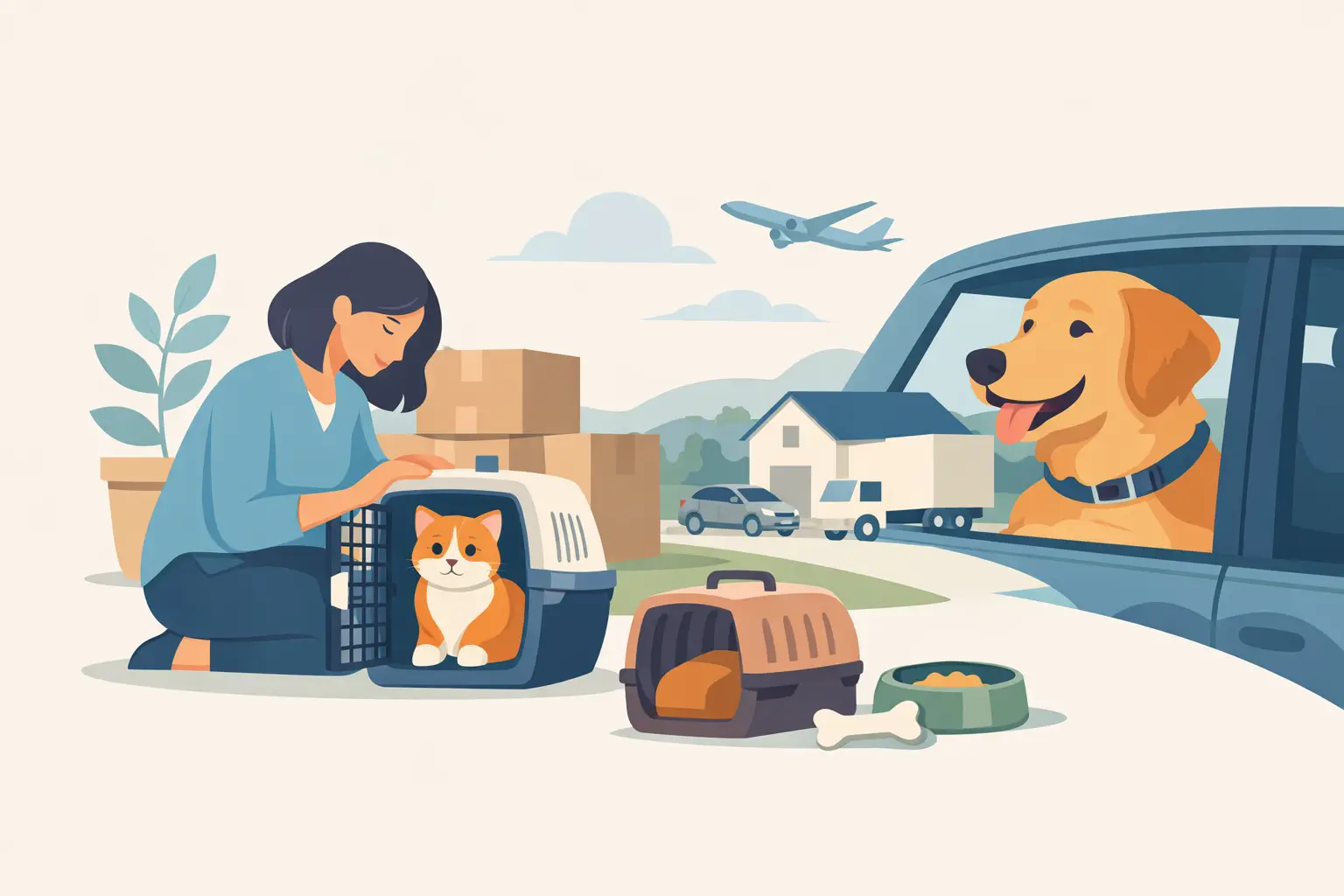
A moving truck, stacked boxes, open doors, and unfamiliar people can turn an ordinary day into a stressful one for a pet. The best pet moving tips start before move day: protect your animal’s routine, plan safe transportation, and give them a quiet space away from the activity. A little preparation can prevent a lost pet, a travel emergency, or a difficult first night in the new home.
Pet Moving Tips to Start Weeks Before the Move
Pets notice change long before the boxes are sealed. Dogs may become clingy or restless. Cats often hide, skip meals, or react to new packing supplies and furniture changes. Small animals can be especially sensitive to noise, temperature changes, and disruption to their normal schedule.
Start by confirming that identification is current. Your pet should have a collar with a readable ID tag, and the contact information linked to their microchip should show your new address and phone number. If your pet is not microchipped, talk with your veterinarian about whether it makes sense before the move. A collar can come off. A microchip provides another layer of protection if a frightened pet slips outside.
Schedule a vet visit if your pet is due for vaccines, prescriptions, or a health check. Ask for copies of vaccination records and medical history, especially if you are moving across state lines, entering a new boarding facility, or renting a home with pet requirements. Discuss travel concerns honestly. Some animals get motion sickness, while others become highly anxious in a car or carrier. Medication is not the right answer for every pet, so get professional guidance instead of trying a new product on travel day.
Keep meals, walks, playtime, and bedtime as consistent as possible while you pack. You do not need a perfect routine, but familiar timing gives pets something dependable while the rest of the house changes around them.
Build a Pet Moving Kit You Can Reach Quickly
Do not pack your pet’s essentials into a box that disappears in the truck. Set aside a clearly labeled bag or tote that stays with you. It should cover at least the first few days after arrival, when unpacking may take longer than expected.
Include food, bottled water, bowls, treats, medications, vaccination records, waste bags, cleaning supplies, a leash or harness, and a favorite blanket or toy. For cats, bring a portable litter box, litter, and a scoop. For birds, reptiles, fish, and other small pets, pack their species-specific food, habitat supplies, temperature-control items, and cleaning materials.
Bring more food than you think you will need. A delayed closing, road construction, weather issue, or unexpected overnight stop can change the plan quickly. Switching foods during a move can upset an animal’s stomach, so use the same food and treats until they are settled.
Choose the Right Carrier or Crate
A secure carrier is not just for cats. It can be the safest travel option for many dogs and small animals, particularly during a long-distance move. The carrier should be large enough for your pet to stand, turn around, and lie down comfortably, but not so oversized that they slide around during travel.
Introduce the carrier well before moving day. Leave it open with a blanket and treats inside so it becomes a familiar resting spot instead of a warning sign. For dogs traveling in a vehicle without a crate, use a properly fitted travel harness or other secure restraint. Never allow a pet to ride loose in a moving truck, the bed of a pickup, or an enclosed moving container.
Create a Quiet Plan for Move Day
Move day is when pets are most likely to escape. Doors stay open, movers are carrying heavy items, and family members are focused on schedules. Even a normally calm animal may bolt when startled by a dolly, loud voices, or an empty room.
Set up one closed, quiet room before loading begins. Place your pet inside with water, bedding, a few familiar toys, and a sign on the door asking people not to enter. A bathroom or bedroom often works well. If the home will be too busy or the pet is highly anxious, arrange for a trusted friend, family member, daycare, boarding facility, or veterinarian to care for them during the move.
This is one area where the right choice depends on your pet. Some dogs settle better close to their people in a quiet room. Others react to every sound and may be safer spending the day elsewhere. Cats generally benefit from being separated from the activity, while birds and small animals need extra protection from drafts, temperature swings, and loud noise.
When it is time to leave, load your pet last. Keep the leash attached before opening the room door, and check the carrier latch twice. It only takes one rushed moment for a pet to get loose in a neighborhood they may never see again.
Plan Safe Travel, Not Just Fast Travel
Most household pets should travel with their owners, not in a moving truck. Moving trucks are built for belongings, not animals. Their temperatures can fluctuate, noise levels are high, and stops may not allow you to safely check on a pet. The cab may not have the secure space an animal needs either.
For a local move around Toledo or northwest Ohio, drive your pet in your own vehicle after the main loading is finished. Keep the car at a comfortable temperature, secure the carrier, and avoid feeding a large meal immediately before departure if your pet gets carsick.
For a long-distance move, map out pet-friendly stops before you leave. Dogs need regular bathroom and water breaks, always on a leash. Cats should remain safely inside their carrier during stops, even if they seem calm. Opening a car door at a gas station or rest area is a common way pets become lost.
Never leave an animal alone in a parked vehicle, even for a short errand. Interior temperatures can become dangerous quickly in hot or cold weather. If you need to stop for food, use drive-through options, bring food with you, or have one adult stay with the pet while another goes inside.
Special Considerations for Small and Exotic Pets
Fish, reptiles, birds, and pocket pets require more planning than a standard car ride. Their needs for stable temperatures, airflow, water quality, and secure housing can be very specific. Research the correct transport method for the species, and consult a veterinarian or qualified specialty pet provider when needed.
Do not assume a normal cage or aquarium is safe for travel. Glass tanks can crack, water can spill, and unsecured enclosures can shift during a turn. Keep these animals out of direct sunlight, away from air-conditioning vents, and as protected from noise and vibration as possible.
Help Your Pet Settle Into the New Home
Before letting your pet explore, inspect the new home for hazards. Check screens, gates, fences, vents, exposed wires, cleaning products, pest traps, and small spaces where a pet could hide or become stuck. Confirm that windows and exterior doors close securely.
Start cats in one quiet room with their litter box, food, water, bedding, and carrier. Let them adjust at their own pace before opening more rooms. For dogs, take a leashed walk around the yard or nearby area, then introduce the home calmly. Keep greetings low-key. A house full of excited visitors can wait until your pet has had time to decompress.
Expect some behavior changes. A pet may eat less, sleep more, have accidents, vocalize, hide, or become unusually attached for a few days. Keep routines steady and offer patience. If symptoms are severe, continue for more than a few days, or include vomiting, diarrhea, breathing trouble, or extreme lethargy, contact a veterinarian promptly.
Update local licenses, veterinary information, and emergency contacts after you arrive. If you are moving into an apartment or a home with a shared outdoor area, learn the pet rules before your first walk. Knowing where pets are allowed, where waste stations are located, and which gates must remain closed can prevent problems right away.
Make the Whole Move Easier on Your Household
A full-service moving plan can reduce the pressure that makes pet care harder. When packing, loading, storage, hauling, and heavy-item handling are coordinated, you can spend more attention on your family and animals instead of juggling multiple crews and deadlines. Newcomer Movers is locally owned and operated, with movers who care about keeping move day organized from start to finish.
Your pet does not need a perfect move. They need a safe ride, familiar essentials, and a calm person on the other end of the trip. Give them those basics, and the new house will begin to feel like home sooner than you expect.