Packing Supplies Checklist for Any Move
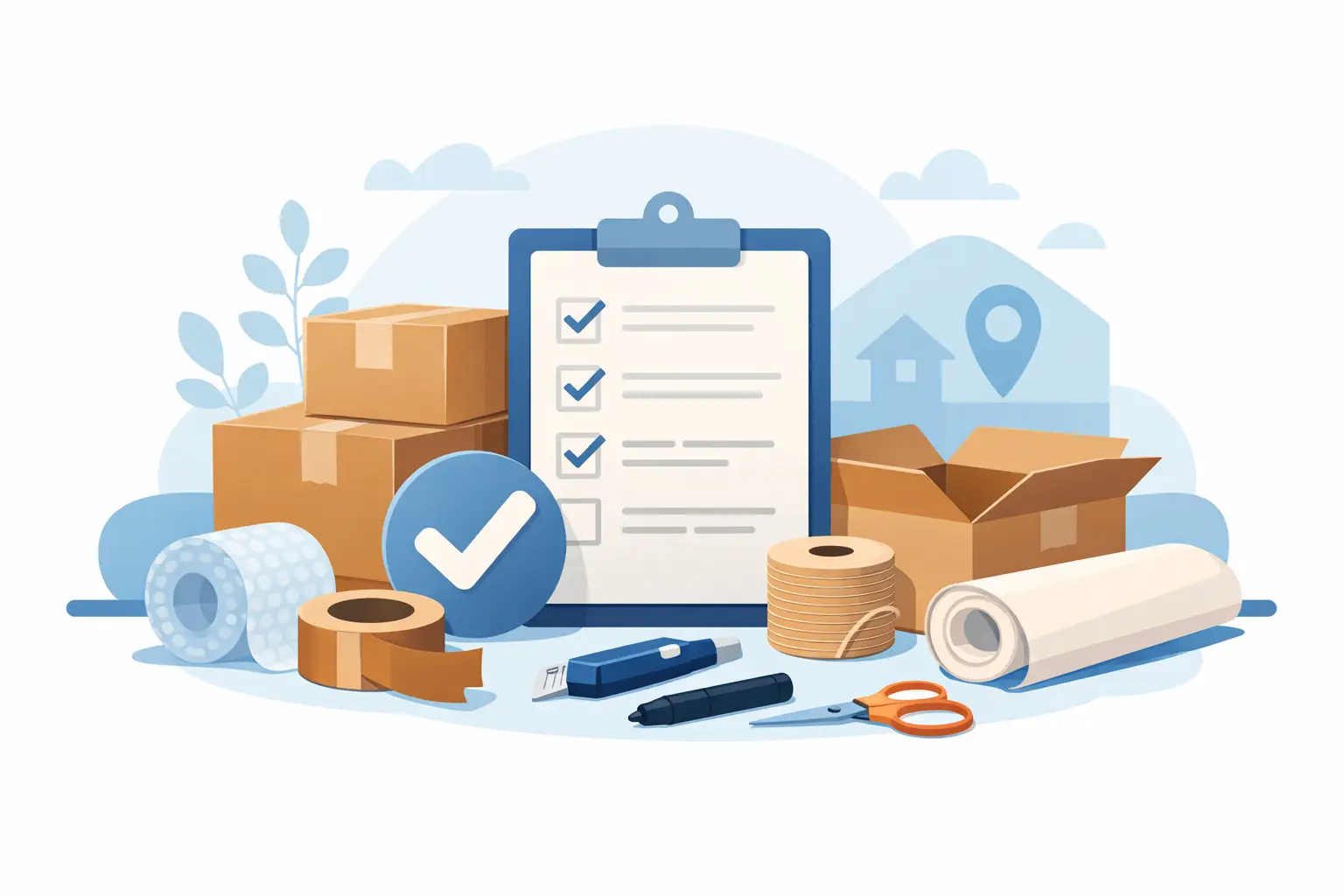
A bad move often starts with one small problem – not enough boxes, the wrong tape, or no padding for the items you care about most. A solid packing supplies checklist helps you stay ahead of the chaos, protect your belongings, and avoid those last-minute store runs when time is already tight.
Whether you are moving across Toledo or heading across state lines, packing goes smoother when you know exactly what you need before the first box gets filled. The right supplies save time, reduce breakage, and make unpacking more manageable on the other side. If you are packing a house, apartment, office, or storage unit, this is the checklist worth building first.
Why a packing supplies checklist matters
Most people underestimate two things during a move – how many boxes they will actually use and how much protective material they will need. That is where moves start getting expensive, disorganized, or frustrating. When supplies run short, people overpack boxes, skip labeling, or use materials that do not hold up well in transit.
A proper checklist keeps the process practical. You can buy what you need in the right quantities, match materials to the items being packed, and avoid wasting money on supplies that do not really help. It also gives you a clearer timeline, especially if you are balancing work, family, storage, or a closing date.
The core packing supplies checklist
Every move needs a basic foundation. Start with sturdy moving boxes in several sizes. Small boxes work best for books, tools, canned goods, and other heavy items. Medium boxes are the everyday workhorse for kitchenware, toys, decor, and office supplies. Large boxes are better for lighter, bulkier belongings like linens, pillows, and lampshades. Wardrobe boxes are helpful for hanging clothes, but whether you need them depends on your budget and how far you are moving.
Packing tape matters more than people think. Cheap tape can split or peel at the worst time, especially with long-distance moves or storage. A heavy-duty tape designed for moving is worth it. A tape dispenser also speeds things up more than you might expect if you are packing an entire home.
You will also want packing paper or unprinted newsprint for wrapping dishes, glassware, and small breakables. Bubble wrap adds another layer of protection for fragile items, electronics, framed art, and anything with delicate surfaces. For furniture and larger household goods, moving blankets help prevent scratches, dents, and scuffs. Plastic stretch wrap is useful for keeping drawers closed, bundling loose parts, and protecting upholstered pieces from dirt.
Markers and labels are not optional if you want an organized move. Label each box by room and add a short note about contents. If a box contains fragile items or should be opened first, mark that clearly. Some people prefer color-coded labels, while others do fine with a bold black marker. The best system is the one you will actually use consistently.
Room-by-room supplies you may need
A general checklist is helpful, but some rooms call for specialized materials.
Kitchen packing supplies
The kitchen usually takes more time and more protection than any other room. Dish packs or double-walled boxes can help with heavy breakables. Glass dividers are useful for stemware, mugs, and smaller kitchen items that can shift in transit. Extra packing paper is almost always necessary here.
Plastic bags and small containers also help keep loose pieces together. Think appliance cords, blender parts, measuring spoons, and the hardware from shelves or racks. Label those clearly so you are not hunting through boxes later.
Bedroom and closet supplies
Mattress bags help keep mattresses clean during transport and storage. The same goes for box spring covers. Garment bags or wardrobe boxes protect dress clothes, uniforms, and seasonal items you do not want wrinkled or crushed.
For dressers and nightstands, stretch wrap can secure drawers if the furniture is sturdy enough to move that way. But it depends on the piece. Some furniture is safer when emptied fully to reduce weight and strain.
Living room packing supplies
TV boxes or adjustable flat-screen boxes are worth considering if you still have the original packaging. If not, proper screen protection matters. Foam corners, bubble wrap, and sturdy boxes can reduce the risk of cracks or pressure damage.
For lamps, art, mirrors, and decor, mirror boxes and picture boxes are often the safer choice than trying to improvise with oversized cartons. It may cost more upfront, but replacing damaged wall art or a broken mirror usually costs more.
Bathroom and laundry room supplies
Seal liquids in plastic bags before boxing them. Even a tightly closed bottle can leak under pressure or movement. Trash bags can also help group towels, bath mats, or soft goods quickly, but they should not replace proper boxes for most items.
Laundry baskets are useful during packing, especially for awkward belongings that do not box easily right away. Just be careful not to treat them like permanent moving containers if you need stackable, secure loading.
Supplies for fragile, valuable, and heavy items
Some belongings need more than the standard checklist. Dishes, antiques, collectibles, electronics, musical instruments, safes, and artwork all require a more careful approach.
For fragile items, foam sheets, corner protectors, dish barrels, and extra cushioning can make a real difference. Electronics should be packed with cords labeled and secured in clearly marked bags. If you still have original manufacturer packaging, that is often your best option. If not, choose a box that fits closely enough to prevent shifting without creating pressure points.
Heavy items create a different problem. They do not just need strong boxes – they need properly sized boxes. Packing books in large cartons is one of the quickest ways to create torn bottoms and back strain. Keep heavy belongings in smaller boxes, and use reinforced tape on the bottom seams.
If you are moving specialty items like pianos, gun safes, industrial equipment, or oversized furniture, this is the point where DIY packing starts to have limits. The right equipment and handling matter as much as the packing materials themselves.
Packing supplies checklist for storage
If your belongings are going into storage, your checklist should shift slightly. Storage adds time, stacking pressure, and changing temperatures depending on the unit type. Boxes should be strong enough to hold their shape longer than they would during a simple move.
Moisture protection becomes more important too. Plastic bins can be useful for certain items, but they are not always better across the board. Cardboard boxes are easier to stack and label, while sealed bins can work well for documents, seasonal goods, and items that need added protection. It depends on what you are storing, how long it will be there, and whether the unit is climate controlled.
Furniture covers, mattress bags, pallets, and shelving can also help keep stored belongings cleaner and better organized. If you know you will need access later, leave room in your storage layout for walkways instead of packing wall to wall.
How much should you buy?
This is where many moves go off track. A one-bedroom apartment may need far fewer supplies than a four-bedroom home, but habits matter too. Minimalists usually need fewer boxes than families with basements, garages, seasonal decor, and years of paperwork.
As a practical starting point, most households need more medium boxes and packing paper than expected, and fewer extra-large boxes than they think. It is smart to buy in stages if your timeline allows. But if your move is coming up fast, it is better to have a little extra than not enough.
If you are moving a business, office, or mixed-use space, plan for specialized containers for files, equipment, inventory, and technology. Commercial moves often require more labeling, more consistency, and more coordination between departments or teams.
What people forget most often
The missing items are usually the small ones that create big delays. Box cutters, scissors, permanent markers, labels, zip ties, plastic bags, and a basic tool kit should stay accessible from day one. The same goes for a first-night box with medications, chargers, toiletries, paper towels, snacks, and important documents.
Another common oversight is floor protection. If weather is bad or foot traffic is heavy, entry mats, old towels, or temporary floor covering can help prevent dirt and damage while boxes are moving in and out.
When buying supplies is not the best plan
There is a point where gathering materials yourself stops saving money. If you are short on time, handling a larger home, coordinating a senior move, managing an office relocation, or packing for long-distance transport, professional packing services can be the better value.
That is especially true when breakables, specialty items, or storage are involved. Working with a 5-star-rated team that is locally owned and operated since 2007 can take a lot of pressure off your timeline. Instead of guessing how many materials to buy or how to protect high-value items, you get movers who care and know what a job like yours actually requires.
A packing supplies checklist is not just about boxes and tape. It is about giving yourself a smoother move, fewer surprises, and a better chance of arriving with everything in good shape. If your move is coming up soon, start with the supplies, get organized early, and give yourself one less thing to worry about.