How to Move With Pets Without Added Stress
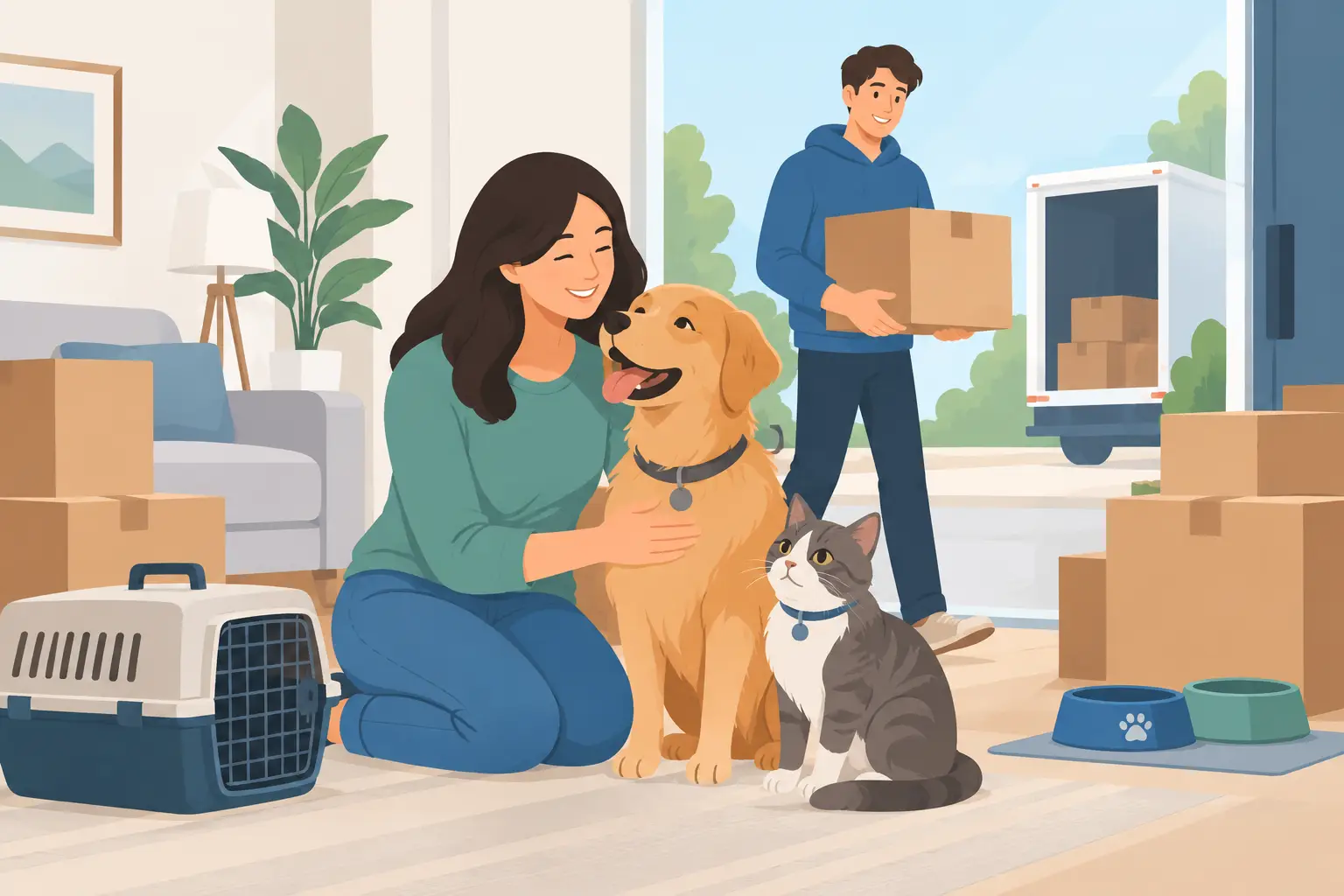
The moving truck is packed, the keys are changing hands, and your dog has suddenly decided the empty living room is suspicious. That reaction is normal. Knowing how to move with pets means planning for more than boxes and furniture – it means protecting your pet’s routine, comfort, and safety during a major change.
Dogs, cats, birds, reptiles, and small animals all handle relocation differently. Some may become clingy, hide, skip meals, or act restless for a few days. A little preparation can prevent a stressful moving day from becoming an emergency. The goal is simple: keep your pet secure, keep familiar items close, and give them time to adjust once you arrive.
How to Move With Pets: Start Planning Early
As soon as your move date is set, schedule a checkup with your veterinarian. Confirm that vaccinations are current, refill any medications, and ask whether your pet needs a health certificate for travel. This is especially important for long-distance moves, flights, or moves across state lines, where requirements can vary.
Update your pet’s ID tag with your cell phone number before moving day. If your pet is microchipped, log in to the registry and update the address and emergency contact information. A pet that slips out during a move is more likely to be found quickly if both forms of identification are current.
If you are relocating from Toledo to another part of Ohio, the travel plan may be fairly straightforward. For a move across the continental United States, give yourself extra time to research pet-friendly overnight stops, hotel rules, weather conditions, and the local veterinary options near your new home. Not every hotel accepts every kind of animal, and some have breed, size, or quantity limits.
It also helps to introduce the carrier before the move. Leave it open in a familiar room with a blanket, treats, or a favorite toy inside. For cats and smaller pets, this can make the carrier feel like a safe space rather than something that only appears before a stressful trip.
Make Moving Day Safer for Your Pet
Moving day brings open doors, unfamiliar people, loud equipment, and constant activity. Even a calm pet can get overwhelmed. The safest option is often to arrange a quiet place away from the work area, whether that is a trusted friend’s house, a boarding facility, daycare, or one closed room in the home.
If your pet stays in the house, choose a room that will be loaded last. Place a clear note on the door letting everyone know a pet is inside, and keep the door closed. Set up water, food, bedding, a litter box if needed, and a few familiar items. Do not rely on a gate alone if your pet is anxious or determined to follow you out.
Before the movers arrive, take dogs for a longer walk or give them time to burn off energy in a safe area. Feed pets at their usual time, but avoid a large meal right before a long car ride if they are prone to motion sickness. Your veterinarian can recommend safe options for pets that become nauseated or highly anxious during travel. Never give a pet calming medication unless a veterinarian has specifically advised it.
Keep your pet with you rather than in the moving truck. Temperature swings, shifting cargo, and long periods without supervision make moving trucks unsafe for animals. Pets should travel in a properly secured carrier, crate, or harness inside your personal vehicle. For a long-distance move, plan regular stops for dogs to drink water, stretch, and use the bathroom while remaining leashed.
Pack a Pet Bag You Can Reach Quickly
Do not pack your pet’s essentials into a box that may be buried under lamps, linens, and kitchen supplies. Keep a dedicated bag or plastic tote with you in the car. For most pets, it should include:
- Food for several days, plus bowls and bottled water
- Medications, vaccination records, and veterinarian contact information
- A leash, harness, collar, carrier, crate, and waste bags
- Bedding, a favorite toy, treats, and a familiar blanket
- Litter, a small litter box, or cage-cleaning supplies as appropriate
- Paper towels, cleaning supplies, and recent photos of your pet
Bring more than you think you will need. Delays happen, especially when weather, closing times, traffic, or interstate travel changes the schedule. Having extra food and medication on hand keeps a small delay from becoming a serious problem.
Prepare the New Home Before Letting Pets Explore
Your new home may look clean and move-in ready to you, but pets notice different things. They may find loose vent covers, open windows, gaps behind appliances, unfamiliar smells, or an unsecured fence. Before bringing your pet inside, do a quick safety check.
Look for exposed cords, cleaning products, pest-control traps, poisonous plants, and small items that could be swallowed. Check that screens are secure and doors latch properly. If you have a yard, walk the fence line and inspect each gate before allowing a dog outside off leash. Even a pet with excellent recall may be distracted in an unfamiliar neighborhood.
For cats, start with one quiet room rather than opening the whole house immediately. Set up their litter box, food, water, bed, and hiding spot there. Let them settle in for a day or two, then gradually introduce more rooms. This approach may feel slow, but it helps many cats adjust without becoming frightened or disappearing into an inaccessible corner.
Dogs often do better with a calm first walk around the new neighborhood. Keep the route short and relaxed. Let them sniff, hear the new sounds, and get familiar with the immediate area. Then bring them inside for a quiet break before the excitement of unpacking starts again.
Birds, reptiles, fish, and small mammals need extra attention to temperature and enclosure security. Keep cages and tanks away from drafts, direct sun, and heavy traffic. Recreate their normal feeding and lighting routine as soon as possible. If you have a large aquarium or specialized habitat, ask for professional guidance well before moving day, since those items can require careful disassembly, climate management, and setup.
Keep the Routine Steady After the Move
The first week in a new home is not the time to make every change at once. Try to keep meal times, walks, playtime, and bedtime as close to normal as possible. Familiar routines give pets a predictable anchor while everything around them changes.
Expect some adjustment behavior. A cat may hide under a bed. A dog may pace, whine, have an accident, or become unusually attached to one family member. These reactions often improve as the home becomes familiar. Avoid scolding accidents or forcing a pet to interact with guests, children, or other animals before they are ready.
Give your pet positive reasons to enjoy the new place. Offer treats after a calm walk, bring out familiar toys, and spend quiet time in the room where they are settling in. If you have multiple pets, supervise their first interactions in the new environment, even if they usually get along. Stress can make behavior less predictable for a short time.
Call your veterinarian if your pet refuses food for an extended period, has repeated vomiting or diarrhea, shows signs of injury, or remains highly distressed. Moving can be disruptive, but prolonged changes in eating, drinking, or behavior deserve professional attention.
Get the Moving Help That Lets You Focus on Them
Trying to pack, load, clean, manage closing paperwork, and monitor an anxious pet at the same time can stretch any household thin. Full-service help can make a real difference because it gives you room to focus on your pet’s travel and first-day needs rather than lifting boxes and coordinating multiple vendors.
For local moves, long-distance relocations, packing, storage, hauling, and specialty items, Newcomer Movers is a locally owned and operated Toledo company with movers who care. With more than 16 years of experience and seven-day availability, the team can handle the heavy work while you keep your pet safe, calm, and close.
Your pet does not need a perfect moving day. They need a secure ride, familiar comforts, and a little patience when they arrive. Give them those things, and the new house will start feeling like home sooner than you think.