How to Load a Rental Truck Without Damage
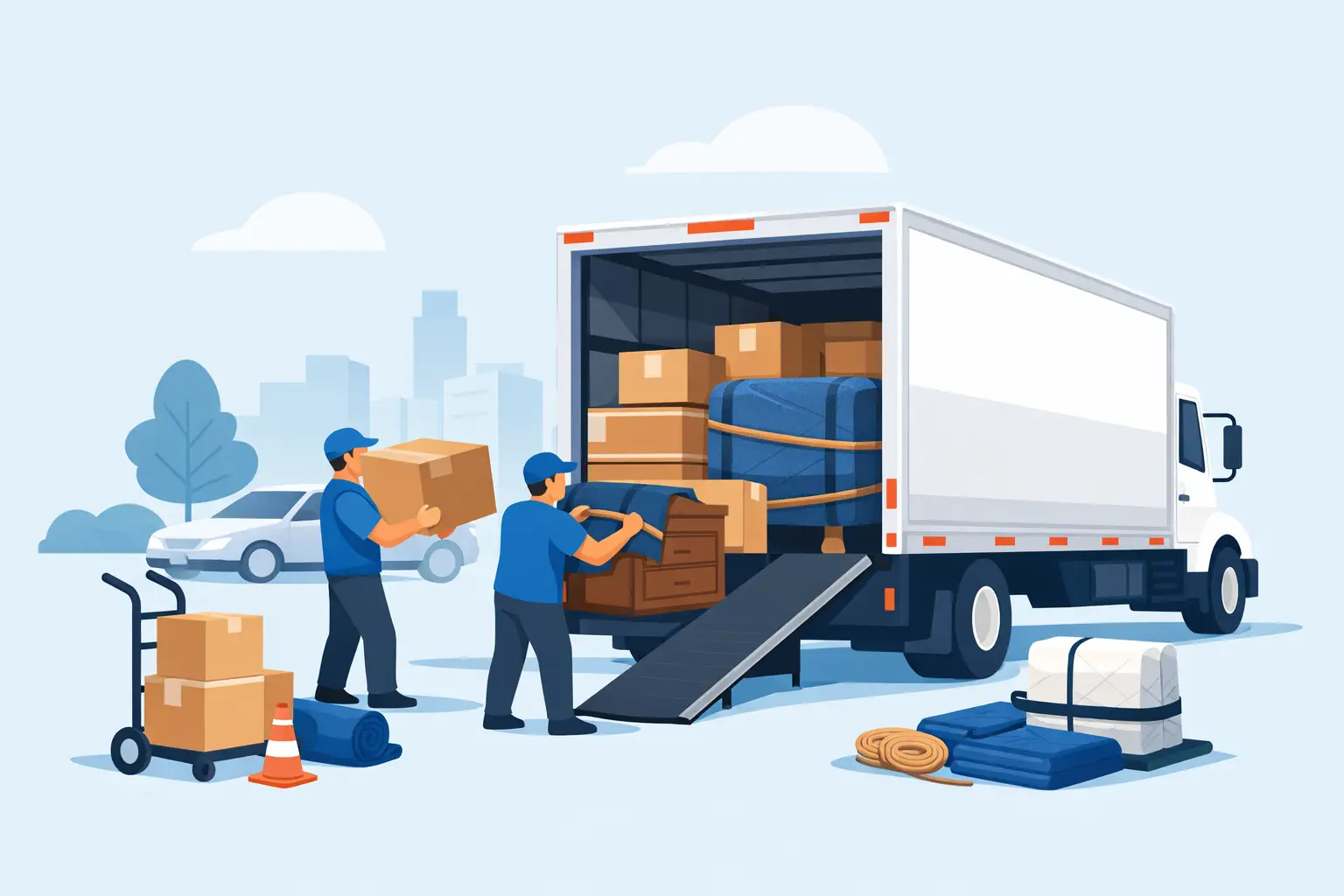
A rental truck can look roomy when you first pick it up. Once sofas, mattresses, boxes, appliances, and loose household items start coming out of the house, that space disappears fast. Knowing how to load a rental truck in the right order protects your belongings, helps the truck handle safely, and can save you from unloading half the truck to find one item at the end of the day.
The goal is not simply to make everything fit. The goal is to create a balanced, stable load that stays secure from the driveway to your new home. A little planning before the first box goes up the ramp makes a major difference.
Prepare Before You Load the Rental Truck
Start with the truck itself. Open the cargo door, check that the ramp and door latch work properly, and sweep out any dirt or debris. Locate the interior tie-down rails, then keep moving straps, rope, furniture pads, a hand truck, and a few basic tools within reach.
Pack boxes before moving day whenever possible. Every box should be taped shut, labeled by room, and filled enough that it will not collapse when another box is stacked on top. Small loose items are hard to secure and easy to lose, so place them in bins or boxes instead of carrying them into the truck one at a time.
It also helps to stage belongings near the exit in the order they will be loaded. Keep heavy furniture and appliances closest to the door. Set lighter boxes and fragile items farther back. This saves unnecessary trips and keeps the loading crew from working around piles of items in the hallway.
Choose the Right Truck Size First
A truck that is too small creates a packing problem before loading even begins. You may be tempted to stack items too high, leave furniture unsecured, or make a second trip that adds time and mileage. A truck that is larger than necessary is usually easier to load safely, but it can cost more and may be harder to park at your destination.
Your truck size depends on the amount of furniture, number of rooms, and whether you are also moving garage, basement, patio, or storage items. Large homes, long-distance moves, and households with oversized furniture often need more space than expected. When in doubt, ask a rental professional for guidance based on your home size and major items.
How to Load a Rental Truck in the Right Order
The heaviest items should go in first, directly against the front wall of the cargo area – the wall closest to the cab. This placement keeps the truck balanced and prevents heavy pieces from shifting toward the rear during braking.
Start with appliances, dressers, bookcases, sofas, bed frames, heavy desks, and other large furniture. Stand sofas on end only if they are stable and protected with pads. Keep dressers upright when possible, but remove or secure drawers so they cannot slide open. Use the truck’s tie-down rails after each section instead of waiting until the entire truck is full.
A reliable loading order looks like this:
- Heavy appliances and large furniture go against the front wall.
- Mattresses, box springs, and upholstered furniture create padded side layers.
- Sturdy, heavy boxes fill gaps at floor level.
- Lighter boxes, lamps, and fragile items go higher and toward the rear.
Build the load in tight sections from floor to ceiling. Think of each section as its own wall. Once a section is full, strap it in before beginning the next one. This method is safer than loading all heavy pieces first and trying to fill every open space afterward.
Keep Weight Low and Centered
Weight distribution matters as much as the order of loading. Put dense boxes of books, tools, dishes, and small appliances on the floor. Spread their weight evenly from side to side rather than concentrating everything on one wall.
Avoid placing a very heavy item near the back of the cargo area. That can make the truck feel less stable, especially on turns, hills, or wet roads. A top-heavy load also increases the chance of shifting and damaged furniture.
If you are moving a safe, piano, commercial equipment, or another specialty item, do not treat it like an oversized box. These items require the right equipment, weight planning, and trained handling. Professional specialty movers are often the safer and more affordable choice once the risk of injury or damage is considered.
Use Furniture Pads Generously
Furniture pads are not an extra if you want to protect wood, glass, upholstery, and finished surfaces. Wrap dressers, tables, mirrors, headboards, and electronics before they enter the truck. Pad contact points where furniture rests against other furniture or the truck wall.
For wood tables, remove the legs if practical and protect the tabletop with pads and stretch wrap. Mirrors, framed art, and glass tabletops should travel upright, never flat, and should be secured between padded items. Do not place heavy boxes on anything marked fragile, even if it seems well packed.
Fill Empty Spaces Before They Become Problems
Empty space is where shifting begins. As you build each section, use medium and small boxes, padded chairs, pillows, blankets, or packed bins to fill gaps. The load should feel snug without forcing delicate items into tight spaces.
Do not use loose trash bags as gap fillers around sharp furniture corners. They can tear and offer little protection. Blankets and pads work better, while sturdy boxes can support weight when they are properly packed.
Keep a narrow center path only if you need continued access to items in the front of the truck. Otherwise, use the cargo space efficiently from wall to wall. A well-loaded truck should not have large open pockets where boxes can slide during the drive.
Secure Every Section With Straps
Tie-down rails are there for a reason. Use ratchet straps or moving straps to hold each completed section in place. Run straps across the face of the load at a height that prevents furniture and boxes from tipping forward.
Check the tension carefully. Straps should be firm, but overtightening can crush boxes or damage furniture edges. If your truck does not have enough built-in rails, use rope only when it can be tied securely and will not loosen in transit.
Before closing the door, gently test the load. Nothing should wobble, lean heavily, or look ready to shift when the truck moves. If it does, add padding, rearrange the weight, or install another strap. Five extra minutes at the loading point can prevent hours of frustration later.
Save Essentials for the Cab
Keep your first-night and moving-day essentials out of the cargo area. That includes medications, identification, wallets, keys, chargers, important documents, basic cleaning supplies, snacks, water, and a change of clothes. If you will need tools to reassemble beds or furniture, keep those with you as well.
It is also smart to load the items you will need first at the rear of the truck. This may include beds, a basic kitchen box, bathroom supplies, and cleaning items. Label these clearly so you can spot them quickly when unloading.
Drive Like You Have a Full Truck Behind You
A loaded rental truck brakes slower, turns wider, and needs more room than a personal vehicle. Accelerate gradually, leave extra following distance, and take corners slowly. Watch your clearance at gas stations, drive-throughs, parking garages, low bridges, and tree-lined residential streets.
Recheck the cargo after the first few miles and anytime you stop for fuel or a break. Long-distance moves, rough roads, and sudden stops can loosen straps. A quick inspection gives you a chance to correct a small shift before it becomes a damaged load.
For Toledo-area families, seniors, students, and businesses that want more help than a truck rental alone, Newcomer Movers provides movers who care, packing support, specialty handling, storage, hauling, and rental options in one place. The right help can turn a difficult loading day into a safer, more manageable move.
A carefully loaded truck gives you more than extra space. It gives you a calmer drive and a better chance of opening the door at your new place to belongings that arrive exactly as they left.