Dumpster Sizes for Home Cleanouts That Fit
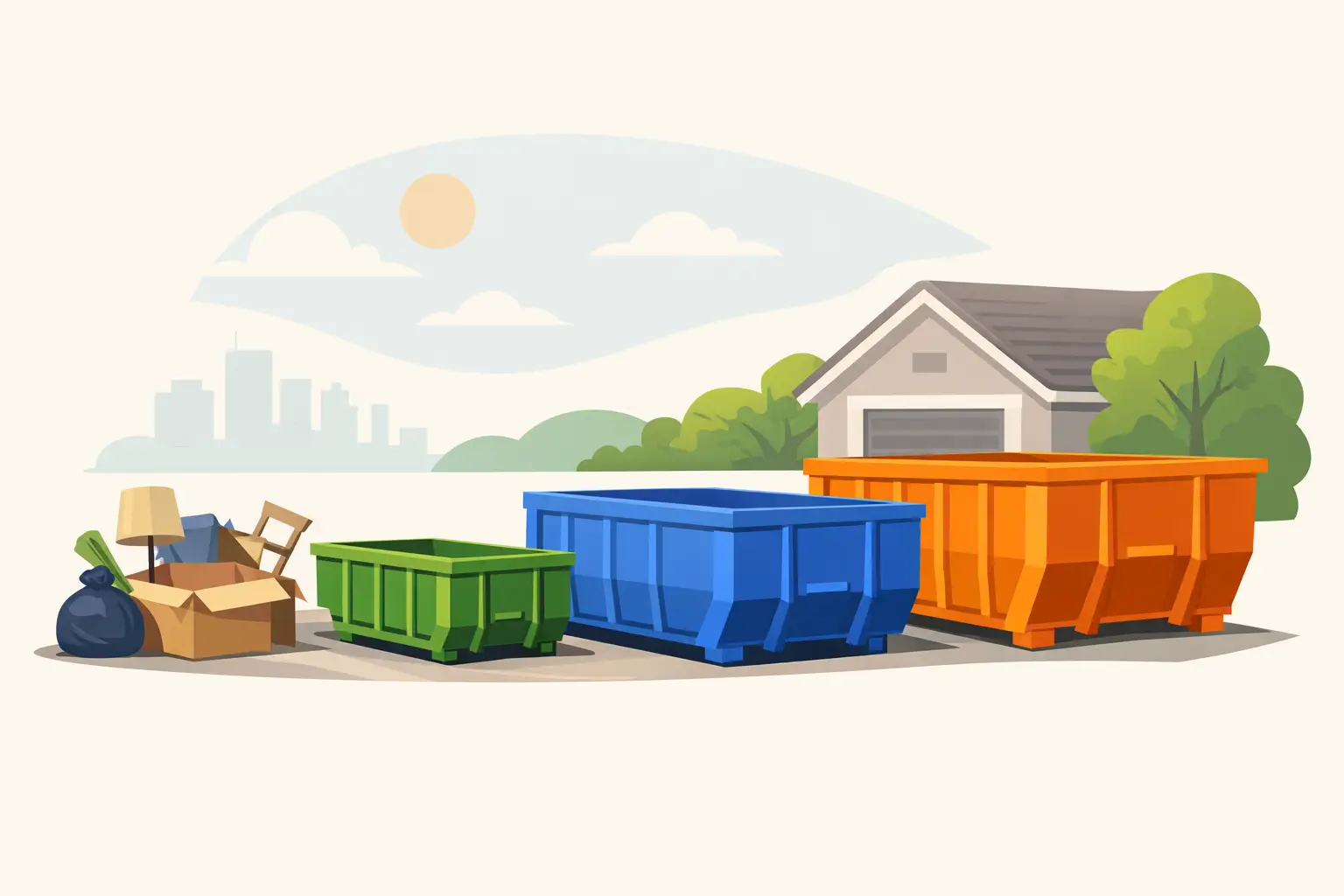
A home cleanout can get bigger fast. One spare bedroom turns into boxes, an old basement reveals broken furniture, and a garage cleanup produces more debris than a few curbside trash cans can handle. Choosing the right dumpster sizes for home cleanouts helps you keep the project moving, control costs, and avoid the frustration of running out of room halfway through the job.
For Toledo-area homeowners, renters, families handling an estate, and anyone preparing for a move, the best dumpster is not always the biggest one. It is the one that fits the amount and type of material you actually need to remove. A little planning before delivery can make cleanout day far less stressful.
Common Dumpster Sizes for Home Cleanouts
Dumpsters are usually measured in cubic yards, which refers to how much material the container can hold. While dimensions vary slightly by equipment type, most residential dumpster rentals fall into a few common size ranges.
10-yard dumpsters for smaller cleanouts
A 10-yard dumpster is often a practical choice for clearing a single room, a small apartment, a shed, or a lightly packed garage. It can typically handle a modest amount of household junk, bagged debris, small furniture, and boxes.
This size works well when you have already donated usable items or sold larger pieces. It is also a smart option for homeowners who want to clear out clutter without committing to a container that takes up more driveway space than necessary. If you are disposing of heavy debris such as dirt, concrete, brick, or roofing materials, a smaller container may be required because weight limits matter as much as volume.
15-yard dumpsters for medium projects
A 15-yard dumpster gives many households the right balance of capacity and convenience. It is commonly used for multi-room decluttering, moderate basement cleanouts, moving preparation, and clearing furniture from a smaller home.
If you are cleaning out a parent’s home, preparing a property for sale, or dealing with several years of accumulated belongings, this size may provide enough room without paying for unused capacity. It can hold a meaningful amount of bulky household material, but large couches, mattresses, and heavy furniture can fill it more quickly than expected.
20-yard dumpsters for major household cleanouts
For a larger home cleanout, a 20-yard dumpster is often the most versatile choice. It is a solid fit for clearing several rooms, a full basement and garage, or a substantial amount of furniture and household debris before a move or renovation.
This size is especially useful when the project includes oversized items. Broken dressers, tables, shelving, old appliances that are accepted for disposal, carpet, cabinets, and yard debris can take up plenty of space. A 20-yard container gives you room to work at a steady pace rather than making difficult decisions about what must stay behind.
30-yard dumpsters for whole-house or estate cleanouts
A 30-yard dumpster is designed for the jobs that have outgrown a standard garage cleanup. Consider this size for full-house cleanouts, estate clear-outs, major downsizing projects, extensive remodeling debris, or a property with years of stored belongings.
The trade-off is driveway space and cost. A larger dumpster may be the more affordable choice if it prevents the need for a second container, but it is not automatically the right answer for every project. If your driveway is narrow, your neighborhood has limited access, or the debris is unusually heavy, talk through the details before scheduling delivery.
How to Estimate the Right Dumpster Size
Start by thinking about the cleanout in rooms, not just individual items. A few bags and boxes from a closet are very different from a garage stacked to the ceiling. Walk through the space and separate your belongings into three groups: items to keep, items to donate or sell, and items that are truly ready for disposal.
Next, pay attention to bulky pieces. Furniture often creates the biggest surprise during a cleanout because it takes up a lot of air space inside a dumpster. A sectional, several mattresses, a large entertainment center, or a pile of broken cabinets can use up a container faster than dozens of trash bags.
It also helps to consider how long the clutter has been accumulating. A home occupied for decades, an inherited property, or a house after a long-term renter moves out may need more capacity than a quick visual estimate suggests. When in doubt between two nearby sizes, the larger option can be worthwhile if the difference avoids a second rental or an extra haul-away trip.
Do Not Choose by Volume Alone
Dumpster capacity is only part of the decision. Every rental has weight allowances and disposal rules, and these can affect what size makes sense for your project.
Heavy materials are the main reason a large dumpster is not always best. Concrete, brick, tile, soil, shingles, and dense construction debris can add thousands of pounds quickly. A smaller container loaded within its weight limit is often safer and easier to manage than a large container filled with material that exceeds the allowed tonnage.
Some household items may require special handling or may not be accepted in a standard dumpster. This can include hazardous chemicals, paint, propane tanks, batteries, tires, certain electronics, and items containing refrigerants. Before loading anything questionable, ask for clear guidance. Proper disposal protects your property, your neighborhood, and the people handling the waste.
Plan for Driveway Space and Safe Loading
Before your dumpster arrives, choose a level, accessible spot that gives the delivery truck room to maneuver. Most homeowners use the driveway, but street placement may require local approval. Move vehicles, basketball hoops, portable goals, and low-hanging obstacles before delivery day.
If you are concerned about the surface beneath the container, ask about placing protective boards under the dumpster. This can be particularly helpful on asphalt driveways or surfaces that may be more vulnerable in hot weather.
Load the dumpster evenly and keep material below the top edge. Overfilled containers can be unsafe to transport and may need to be rearranged before pickup. Place flat items along the sides when possible, break down cardboard boxes, and load bulky furniture strategically instead of tossing smaller items around it. These simple steps help you use the available space efficiently.
When a Dumpster Is Better Than Curbside Pickup
Curbside trash service is useful for normal weekly household waste, but it is rarely built for a serious cleanout. Large quantities may require multiple weeks of pickup, special collection appointments, or separate fees for furniture and oversized items. That delay can be a problem when you are selling a home, moving on a deadline, or clearing a property for family members.
A dumpster keeps the debris in one contained location and lets you work on your own schedule. It is especially practical when several people are helping, when you are sorting belongings over a weekend, or when the job creates more waste than a truckload of trash bags.
For customers who need more than a dumpster, Newcomer Movers can also help connect the cleanout to a larger plan with hauling, moving, packing, storage, and rental support. That convenience matters when one project involves clearing a home, protecting items worth keeping, and preparing for the next move.
Get Clear Answers Before You Schedule
A dependable dumpster rental should come with straightforward details. Ask about the container dimensions, weight allowance, rental period, accepted materials, placement requirements, and what happens if you need more time. Be honest about the type of debris you expect, especially if you are removing heavy materials or large appliances.
The right dumpster gives you room to make progress without adding another problem to your cleanout. Take a careful walk through the home, choose a size based on what is really there, and give yourself enough capacity to finish the job with confidence.