Can Movers Disassemble Furniture for a Move?
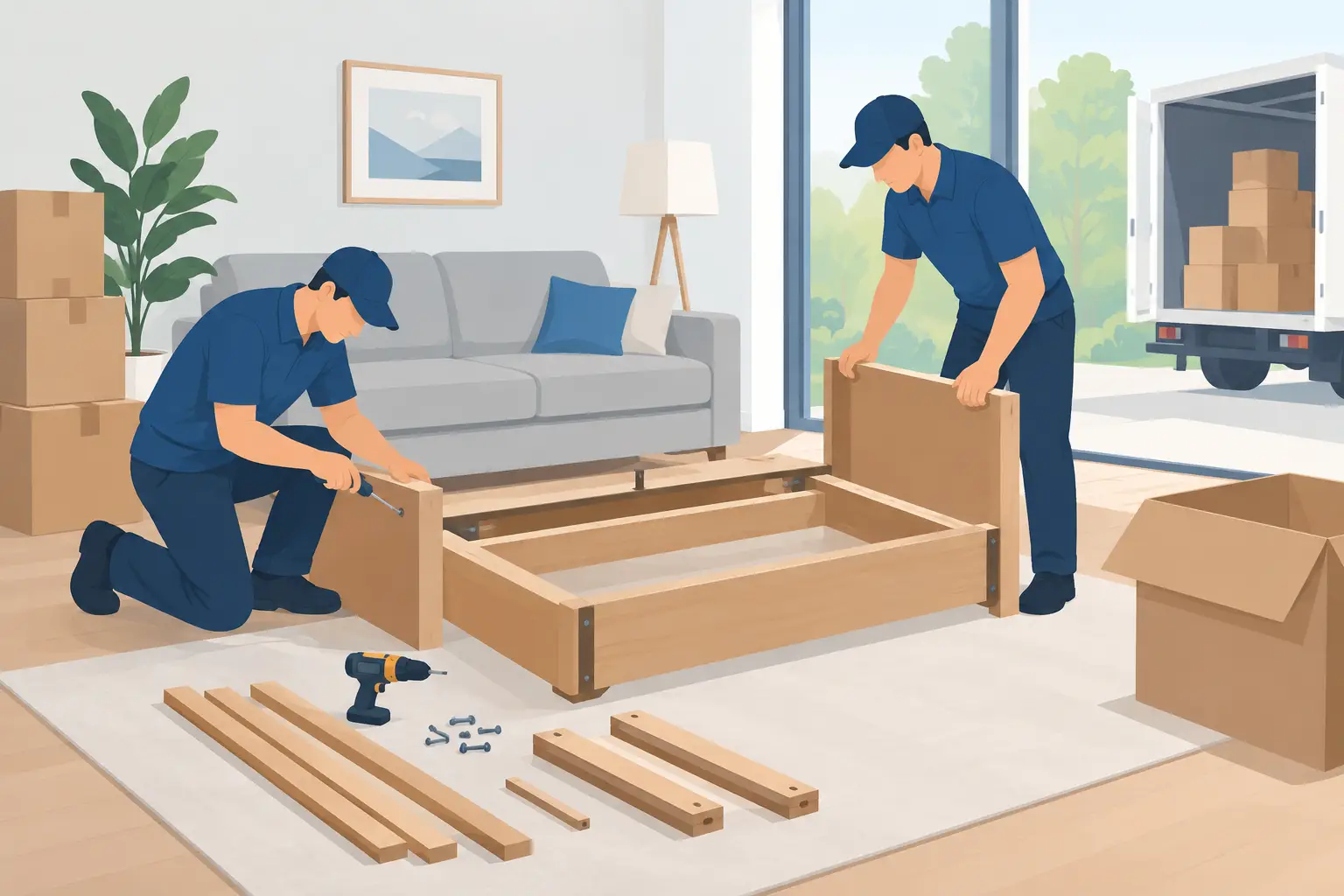
A king bed that will not clear the hallway, a dining table with a solid wood top, and a packed wall unit can turn moving day into a problem fast. So, can movers disassemble furniture? In many cases, yes. Professional movers can often take apart standard household furniture when that service is included in the estimate or arranged before the move. The key is knowing what is covered, what requires specialty handling, and what needs to be discussed before the truck arrives.
Can Movers Disassemble Furniture on Moving Day?
Movers commonly disassemble furniture that must be taken apart to move safely through doors, down stairs, or onto the truck. Bed frames, tables, desks, bookcases, sectional sofas, and certain shelving units are frequent examples. The work may be a standard part of a full-service move, or it may be priced separately depending on the item, the time involved, and the scope of your move.
Disassembly is not just about making an item smaller. It helps protect the furniture, your home, and the moving crew. A bed frame carried in one piece can scrape a doorway. A heavy table may be safer to transport with its legs removed and wrapped separately. Taking apart the right pieces can also make better use of space in the moving truck.
However, movers should not be expected to disassemble every item without advance notice. Complicated furniture, built-in pieces, antiques, and items with electrical components can require more planning. Mention every large or unusual item when requesting your quote so the crew arrives with the proper tools, materials, and number of movers.
What Furniture Do Movers Usually Take Apart?
Most professional moving teams are prepared to handle everyday furniture that was designed to be assembled and disassembled. That often includes bed frames, headboards, footboards, dining tables, desks, modular shelving, some entertainment centers, and large wardrobes that can be safely broken down.
Movers may also remove furniture legs when needed for safe transport. This is common with sofas, recliners, tables, and certain cabinets. Removing legs can prevent damage in tight stairwells and reduce the chance of a piece catching on a door frame.
A sectional sofa may be separated into its individual sections. For a standard bed, the crew may take down the frame, bundle rails together, and keep the hardware with the item. When it is time to unload, reassembly can usually be handled at the destination if it was included in your moving plan.
The exact service depends on the item. A simple metal bed frame and a large custom office desk are not the same job. A dependable moving company will ask questions, explain the plan, and tell you if the item needs special preparation before moving day.
Items That May Need Special Arrangements
Some belongings call for more than routine furniture disassembly. Built-in cabinets, wall-mounted shelves, and permanently installed fixtures are generally not standard moving items. They may require a contractor, electrician, or another qualified professional to remove safely.
Pool tables, exercise equipment, adjustable beds, large commercial workstations, and furniture with complicated wiring can also need specialty service. Pianos, safes, and other oversized heavy items require trained handling and the right equipment. Never assume an item is included simply because it can be taken apart.
Antique or heirloom furniture deserves special attention as well. Older pieces may have weakened joints, delicate finishes, or hardware that does not tolerate repeated removal. In some cases, leaving an item intact and using careful padding, crating, or specialty transport is the safer choice.
What Movers Typically Will Not Disassemble
Professional movers focus on moving work, not repairs or construction. They may not disconnect gas lines, hardwired appliances, plumbing, or complicated electrical connections. Washing machines, refrigerators with water lines, gas dryers, and certain wall-mounted televisions often need to be disconnected ahead of time by the appropriate professional.
Movers also may not take apart furniture that is already unstable, damaged, or likely to break during disassembly. If a particleboard dresser is swollen from water damage or a DIY cabinet has stripped fasteners, taking it apart could make the damage worse. Let the moving company know about its condition before moving day.
There can also be limits on items assembled with glue, permanently fixed joints, or nonstandard hardware. The crew may be able to move the item whole, but that depends on the size of the piece and the access at both locations. Clear information helps avoid surprises and last-minute delays.
Ask About Disassembly Before You Book
The best time to discuss furniture disassembly is during the estimate, not while the crew is standing in your living room. Give the company an accurate inventory and point out large furniture, tight hallways, staircases, elevators, and narrow doorways. Photos can be helpful for unusual pieces or challenging access.
Ask whether disassembly and reassembly are included in the estimate, which specific items are covered, and whether there is an additional charge for complex pieces. If the move includes storage, ask how hardware will be labeled and kept with the furniture. These details matter when your belongings may be stored before delivery.
You should also confirm what needs to be completed before the movers arrive. For example, a television may need to be removed from its wall mount, and appliances may need professional disconnection. Good preparation allows the crew to focus on moving your belongings safely and efficiently.
How to Prepare Furniture for Moving Crews
You do not need to remove every screw yourself. In fact, doing it without a plan can create loose hardware, missing pieces, and furniture that is harder to protect. Still, a little preparation makes a major difference.
Empty drawers, cabinets, and shelves unless the mover tells you otherwise. Remove fragile items, loose decor, and personal belongings from furniture before the crew starts work. Clear a path around large pieces and make sure there is room to lay parts down safely during disassembly.
If a piece has special instructions, save the assembly manual or take a few photos before it is taken apart. Point out any existing scratches, weak areas, or hardware that tends to loosen. Keep valuable jewelry, cash, medications, passports, and essential documents with you rather than packing them inside furniture.
For furniture with glass panels, mirrors, or removable stone tops, mention those details during the estimate. These components may need extra padding, special boxes, or a different handling plan. The goal is not simply to get the furniture out the door. It is to get it to the new location in good condition.
Why Professional Disassembly Is Worth Considering
Trying to force a large item through a tight space can cost more than a few extra minutes on moving day. It can damage the furniture, mark walls, break trim, or cause injuries. Experienced movers know how to assess an item, choose the safest approach, and protect the pieces during loading and transport.
Professional disassembly also saves time at the destination. Instead of sorting through a bag of screws and guessing where each rail belongs, the crew can reassemble the furniture as part of the agreed service. That is especially helpful for families settling into a new home, seniors moving into a smaller space, and businesses that need desks or workstations ready for use.
For local Toledo moves and long-distance relocations across the continental United States, Newcomer Movers can coordinate furniture handling with packing, moving, storage, hauling, and specialty-item services. As a locally owned and operated company since 2007, the team understands that moving plans are rarely one-size-fits-all.
Frequently Asked Questions About Furniture Disassembly
Will movers put furniture back together?
Often, yes, if reassembly is included in the service you book. Confirm this before moving day and identify the pieces you want reassembled first, such as beds, dining tables, or office desks.
Do movers bring tools to disassemble furniture?
Professional crews generally bring common tools for standard furniture. Specialty hardware, unusual fasteners, or manufacturer-specific assembly needs should be disclosed in advance so the moving company can plan appropriately.
Should I disassemble my own bed frame first?
You can, but it is usually best to ask your mover first. If the crew is handling the bed, they can keep the hardware organized, wrap the components correctly, and reassemble it at the new home if that service is arranged.
Is furniture disassembly included in every moving quote?
Not always. Basic disassembly may be included for certain items, while complex furniture or specialty equipment may carry an additional charge. A written estimate should make the scope of service clear.
When you are building your moving plan, do not let one oversized piece become a moving-day surprise. Share the details early, ask direct questions about disassembly and reassembly, and choose movers who treat every item with the care it deserves.