Safe Transportation Safety Guide for Moving Day
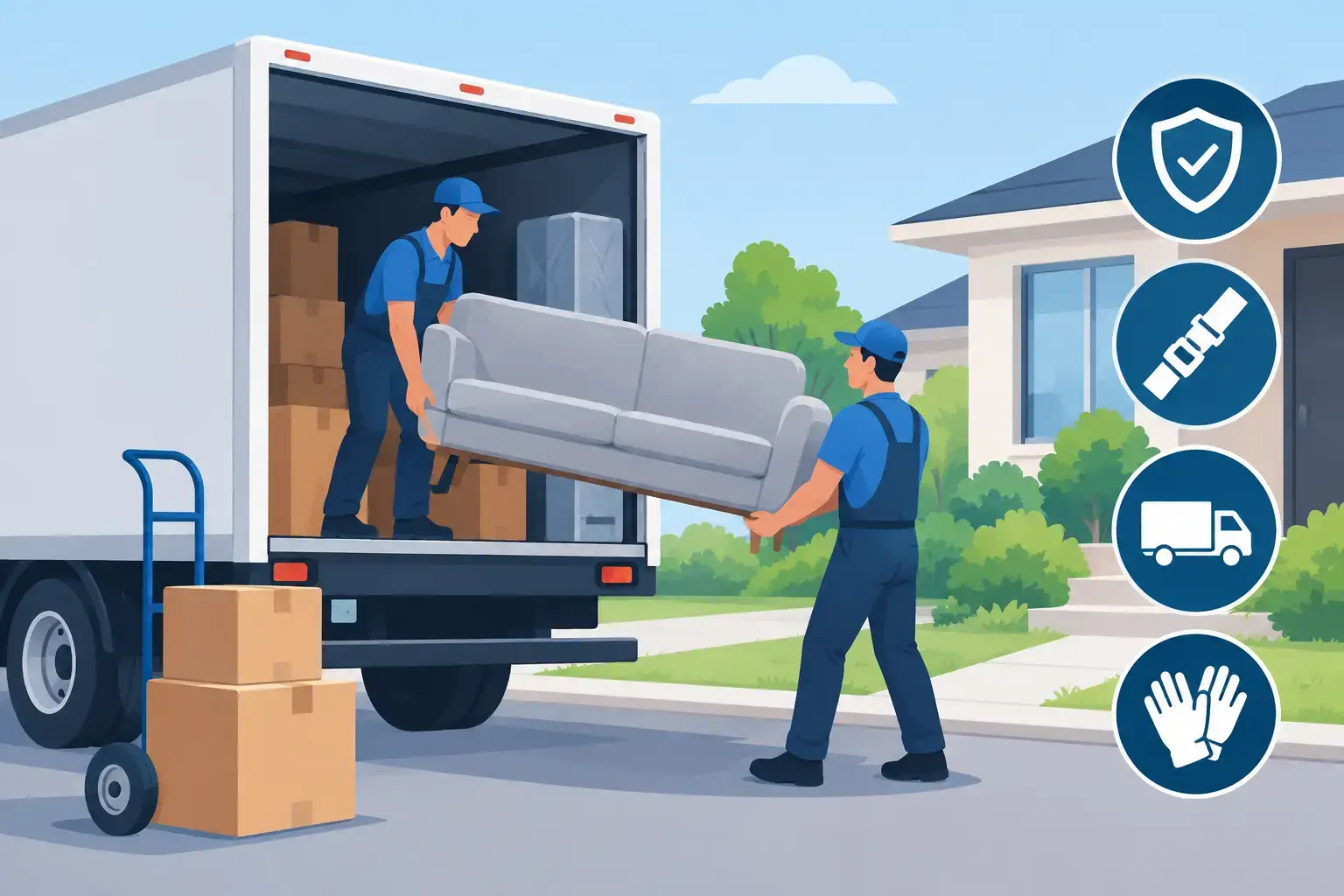
A moving truck can hold nearly everything you own, from family photos and dishes to heavy furniture and valuable equipment. That is why a safe transportation safety guide should start before a single box reaches the driveway. Careful packing, smart loading, a road-ready vehicle, and the right help all reduce the chance of injuries, damage, and stressful delays.
Whether you are moving across Toledo, relocating an office, or heading across the country, safety is not about rushing through a checklist. It is about making good decisions at each stage of the move, especially when heavy, fragile, oversized, or irreplaceable belongings are involved.
Safe Transportation Safety Guide: Start Before Loading
Transportation safety begins with an honest inventory. Walk through every room, storage area, garage, and basement before moving day. Separate items that need special handling, including glass, electronics, artwork, antiques, mattresses, appliances, pianos, safes, and anything unusually heavy or awkward to carry.
This step helps prevent a common problem: discovering a difficult item after the truck is loaded. A large refrigerator may need a different loading plan than standard furniture. A piano or safe may require specialty equipment, additional movers, and proper tie-down points. Trying to make those decisions in the moment can lead to damaged property or serious injuries.
Packing quality matters just as much as loading technique. Use boxes that are sturdy enough for their contents, and do not overfill them. Heavy books, tools, and canned goods belong in smaller boxes that can be lifted safely. Lightweight linens and pillows can go in larger boxes. Fill empty space with packing paper or cushioning so items do not shift during transportation.
Clearly label boxes with both the room and handling instructions. “Kitchen – Fragile” is more useful than “Kitchen” alone. Mark the top of each box when it needs to remain upright, and identify boxes containing essentials you will need right away, such as medications, chargers, important documents, and a change of clothes.
Protect People First During the Move
A successful move is never worth an injury. Before lifting, make sure walkways are clear, floors are dry, and doors are propped open when appropriate. Remove loose rugs, cords, toys, and other trip hazards from the path between the home and the truck.
Use the right lifting approach: get close to the item, bend at the knees, keep your back as straight as possible, and lift with your legs. Avoid twisting while carrying a load. If you need to turn, take small steps and move your feet rather than rotating your torso.
Some items should not be handled alone, even if they seem manageable at first. Dressers, couches, appliances, large mirrors, gun safes, and bulky office furniture can shift unexpectedly. Two people may be enough for some pieces, but heavier specialty items often require trained movers and purpose-built equipment. This is where professional help can be the safer and more affordable choice compared with paying for damaged flooring, a broken item, or an emergency room visit.
Dress for the work. Closed-toe shoes with good traction are a must. Gloves can improve grip and protect hands from rough wood, sharp edges, and moving straps. Avoid loose clothing that can snag on furniture, ramps, or equipment.
Plan for Weather and Access Conditions
Ohio weather can change quickly. Rain, snow, ice, high heat, and strong winds all affect transportation safety. Cover furniture and electronics before carrying them outside, keep absorbent towels available for wet floors, and use extra caution on ramps and steps.
If your driveway is narrow, steep, muddy, or crowded with parked vehicles, address that before the truck arrives. Reserve parking close to the entrance when possible. For apartment and office moves, confirm elevator access, loading dock rules, and any building time restrictions. A few calls ahead of time can prevent a rushed, unsafe loading situation later.
Load the Truck for Control, Not Just Space
The goal is not to fit the most items in the truck as quickly as possible. The goal is to create a stable load that stays secure on turns, stops, and uneven roads.
Start with the heaviest, sturdiest items. Place appliances, heavy furniture, and packed book boxes toward the front of the cargo area, close to the cab. Keep weight distributed from side to side. A truck that is heavy on one side can handle poorly and allow belongings to shift.
Use moving blankets, furniture pads, stretch wrap, and corner protection to prevent scratches and impact damage. Blankets should separate hard surfaces, not simply cover the outside of a pile. Secure sections of the load with straps or tie-downs as you go. Waiting until the truck is full makes it harder to reach anchor points and often leaves items less stable.
Avoid stacking heavy boxes on fragile cartons, even if the stack appears secure while parked. Road vibration changes everything. Mirrors, televisions, framed artwork, and glass tabletops should be protected individually and positioned where they cannot slide, tip, or support other items’ weight.
There is also a difference between packing a truck for a short trip across town and for a long-distance move. Local trips may allow for more frequent checks, while a cross-country load needs more thorough padding, tighter tie-downs, and a loading plan built for hours or days on the road.
Check the Vehicle Before You Leave
A clean, properly sized truck is a safety tool. Before departure, inspect the cargo area, ramp, lift gate, tie-down rails, and door latch. Make sure the truck is appropriate for the total weight and volume of your belongings. Overloading a vehicle can affect braking, steering, tire performance, and visibility.
Check mirrors, lights, fuel level, tires, and windshield wipers. Adjust mirrors after loading because a full truck can change your sight lines. Keep the cab clear of loose boxes, tools, and distractions. Your phone should be charged and available for navigation, but set directions before driving rather than trying to manage them in traffic.
For a rented truck, take time to understand its height, turning radius, braking distance, and fuel requirements. A box truck does not drive like a personal vehicle. Watch for low bridges, tight turns, overhead branches, parking garage clearances, and drive-through lanes that may be too low.
Drive for the Load You Carry
Leave extra following distance and brake gradually. Take turns wider and slower than you would in a car. Sudden lane changes, hard stops, and fast cornering can shift even a carefully loaded truck.
Stop periodically on longer trips to inspect straps and check for movement in the cargo area. If something has shifted, correct it before continuing. Do not open the rear door on a slope or without checking that items are stable, since a shifted load can fall outward when the door is released.
Know When Professional Movers Make Sense
A do-it-yourself move can work well for a small apartment, a short distance, and a manageable amount of furniture. But the calculation changes when you have stairs, tight access, valuable belongings, commercial equipment, temporary storage needs, or specialty items.
Professional movers bring trained crews, moving pads, dollies, straps, ramps, and the experience to recognize problems before they become expensive. Newcomer Movers is locally owned and operated with movers who care, helping Toledo-area households and businesses coordinate packing, moving, storage, hauling, and specialty transportation through one dependable team.
If you choose any moving company, ask clear questions about scheduling, crew experience, specialty-item handling, insurance options, and what is included in the estimate. The lowest price is not always the best value if it leaves you responsible for unsafe lifting, poor packing, or damaged belongings.
Before your truck pulls away, take one last walk through the home, garage, storage area, and truck. Confirm that doors are locked, lights are off, essential items are with you, and the load is secured. That final ten-minute check can save hours of frustration and helps your move begin with the confidence that every person and belonging has been given the care it deserves.