Are Portable Containers Weatherproof Outside?
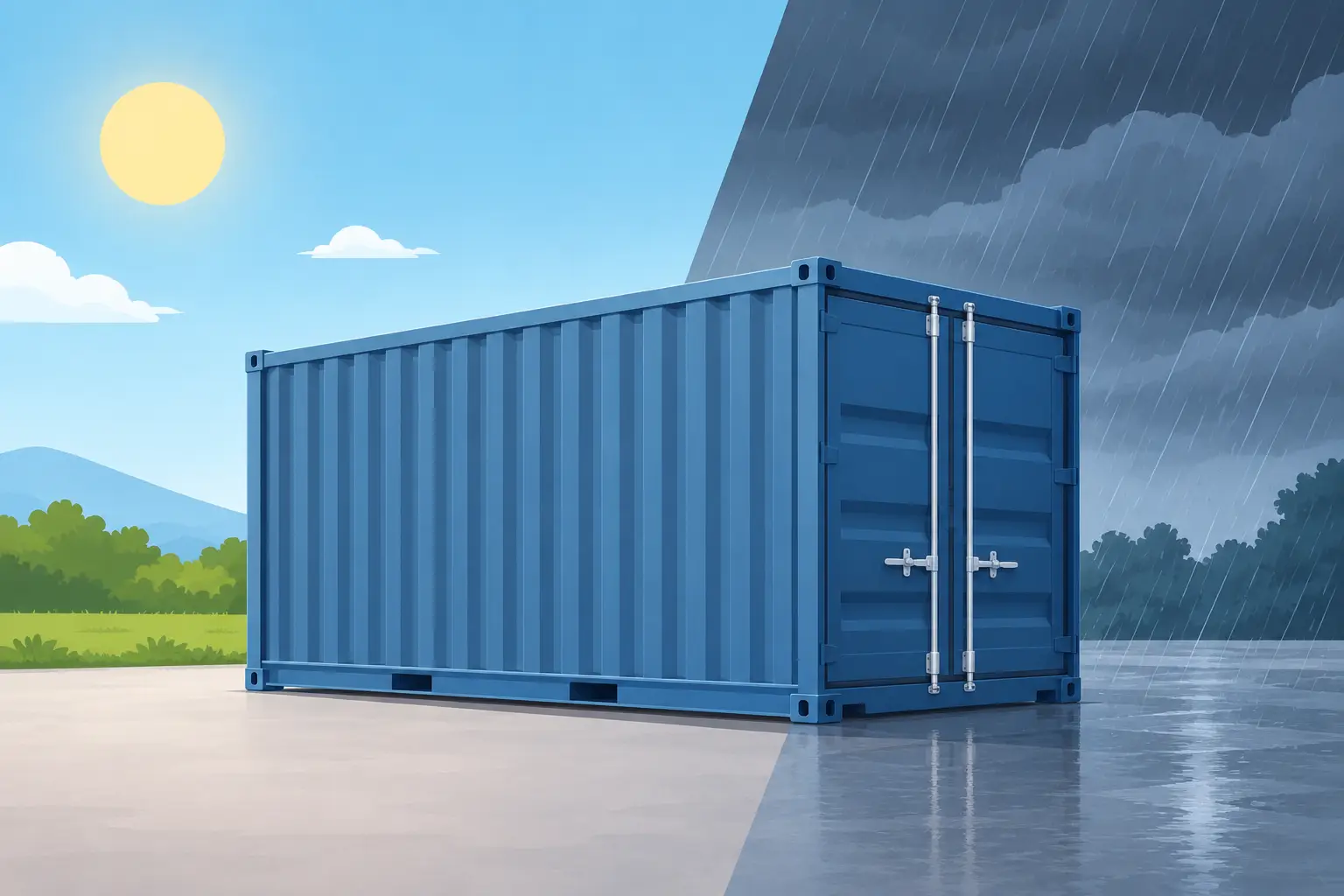
A portable storage container may sit in a driveway, job site, or storage yard for weeks or months, so the question is practical: are portable containers weatherproof outside? Quality portable containers are designed for outdoor use and provide strong protection from normal rain, snow, wind, and sun. Still, weatherproof does not mean every item can be loaded without preparation or that moisture can never become a concern.
For Toledo-area families, businesses, students, and property owners, the best results come from choosing a well-maintained container, packing it correctly, and understanding how changing Ohio weather affects stored belongings.
Are Portable Containers Weatherproof Outside in Every Season?
A properly built portable storage container is made to stay outdoors. Its solid walls, reinforced roof, durable floor, and secure doors create a protective enclosure around your belongings. When the doors are shut and latched correctly, rain and snow should not enter during normal weather conditions.
That makes portable storage a dependable option for moves, remodels, estate cleanouts, office transitions, and temporary business storage. You can load on your own schedule, keep the container on-site when allowed, or have it transported to a secure storage location.
However, outdoor exposure creates conditions that matter even inside a sealed container. Temperature swings can be significant in Northwest Ohio. A cold winter day may be followed by a warmer afternoon, and humid summer air can create condensation when temperatures change quickly. Direct sun can also raise the interior temperature of any outdoor container.
The container protects against precipitation, pests, windblown debris, and everyday outdoor exposure. Your packing plan protects against moisture in the air, shifting during transport, and damage caused by extreme heat or cold. Both pieces matter.
What Weatherproof Protection Usually Includes
Portable containers vary by provider, age, and design, but a quality unit should offer a dry, enclosed space that is built for transportation and outdoor placement. The roof should be intact, doors should close squarely, seals should be in good condition, and the floor should be solid and dry before loading begins.
A weatherproof container is not the same as a climate-controlled storage room. Climate control actively manages the interior environment, while an outdoor portable unit primarily keeps weather outside. For many household items, that difference is not a problem. Furniture, boxed household goods, tools, seasonal decorations, properly packed books, and many business supplies can do very well in portable storage.
Items that are especially sensitive to heat, cold, or humidity may need extra care or a different storage choice. Examples include antiques, fine art, vinyl records, delicate electronics, musical instruments, important paper archives, photographs, and certain wood furniture. If an item would be uncomfortable in an unheated garage for several months, ask whether climate-controlled storage is the better fit.
Rain Is Usually Not the Biggest Risk
Most customers picture rain leaking through the roof when they think about outdoor storage. With a clean, well-maintained container, that should not be the primary concern. The bigger issue is often moisture introduced during loading or created by humidity and temperature changes.
Loading wet items is an easy way to create problems. Lawn equipment, patio furniture, boots, damp cardboard, and boxes carried in from a rainy move day can release moisture into an enclosed space. That moisture can contribute to mildew, musty odors, or warped cardboard over time.
Avoid loading belongings that are wet or even noticeably damp. If a move must happen in rainy weather, wipe down plastic bins, furniture, and equipment before they go inside. Keep blankets and upholstered pieces covered while they are being carried, and do not store wet tarps, mops, or cleaning supplies with your household goods.
It also helps to use moisture absorbers for longer storage periods, especially during humid months. They are an inexpensive added layer of protection for boxed items, fabrics, and furniture.
How to Pack a Portable Container for Outdoor Storage
Good loading practices make a major difference. Start with sturdy boxes in good condition, and tape the bottoms and tops securely. Weak or recycled grocery-store boxes can collapse when stacked, particularly if they absorb any humidity.
Keep belongings off the floor when possible. Pallets, shelving, or a simple layer of plastic sheeting under certain items can provide extra separation from the container floor. Do not wrap the entire interior tightly in plastic, though. Trapping moisture around furniture can do more harm than good.
Place heavy items on the bottom and distribute weight across the container. Appliances, furniture, and boxes should be secured so they cannot move as the container is transported. Leave a small amount of room between large furniture pieces and the walls when possible, particularly for long-term storage, to encourage air circulation.
For furniture, use clean moving pads, furniture covers, or breathable protective materials. Wrap mattresses in purpose-made mattress bags, but make sure they are completely dry first. Use plastic totes for documents, holiday decorations, linens, and items that could be damaged if cardboard becomes damp.
Before closing the doors, take one final look. Check for open liquids, damp belongings, food, candles, batteries, or pressurized containers. Food can attract pests, while heat-sensitive or flammable items should not be stored in an outdoor container.
When Climate-Controlled Storage Makes More Sense
Portable storage is often the convenient choice when you need access at your home or business, want to load over several days, or need a container moved from one location to another. It can reduce handling because your belongings are loaded once instead of being moved repeatedly between vehicles and storage spaces.
Climate-controlled storage may be worth considering when the contents are high-value, irreplaceable, or highly sensitive to temperature and humidity. It is also a smart option for long-term storage of family heirlooms, business records, electronics, or materials that need a stable environment.
Some moves call for both services. A household may use a portable container during a renovation, then move select valuables into climate-controlled storage. A business may keep surplus furniture and equipment in a container during an office transition while placing records and technology in a controlled unit. The right setup depends on what you are storing, how long it will be stored, and how often you need access.
Check the Container Before You Load
A reputable provider should deliver a container that is clean, dry, and ready for use. Before loading, inspect the inside yourself. Look at the ceiling and corners for signs of moisture, make sure the floor feels dry and firm, and test that the doors open and close properly.
If anything looks damaged, wet, or questionable, raise the issue before placing your belongings inside. A quick inspection gives you confidence and helps prevent avoidable problems.
Also think about placement. Choose a level, accessible surface whenever possible. Avoid low areas where standing water collects, and make sure delivery trucks have enough room to safely place and retrieve the container. Local rules, homeowner association requirements, and street parking restrictions may apply, so it is wise to check before delivery day.
Dependable Storage Starts With the Right Plan
Portable containers are built to handle outdoor conditions, and they are a practical solution for many moves and storage projects. The key is matching the storage option to the belongings inside and packing with Ohio weather in mind.
Newcomer Movers is locally owned and operated in Toledo, with movers who care about protecting belongings through every stage of a move, storage project, or cleanup. Whether you need portable storage, climate-controlled storage, packing help, moving services, or a combination of solutions, a clear plan makes the transition easier. Ask about the best storage setup for your timeline and the items you need to keep safe.