Safe Moving Requirements for a Smooth Move
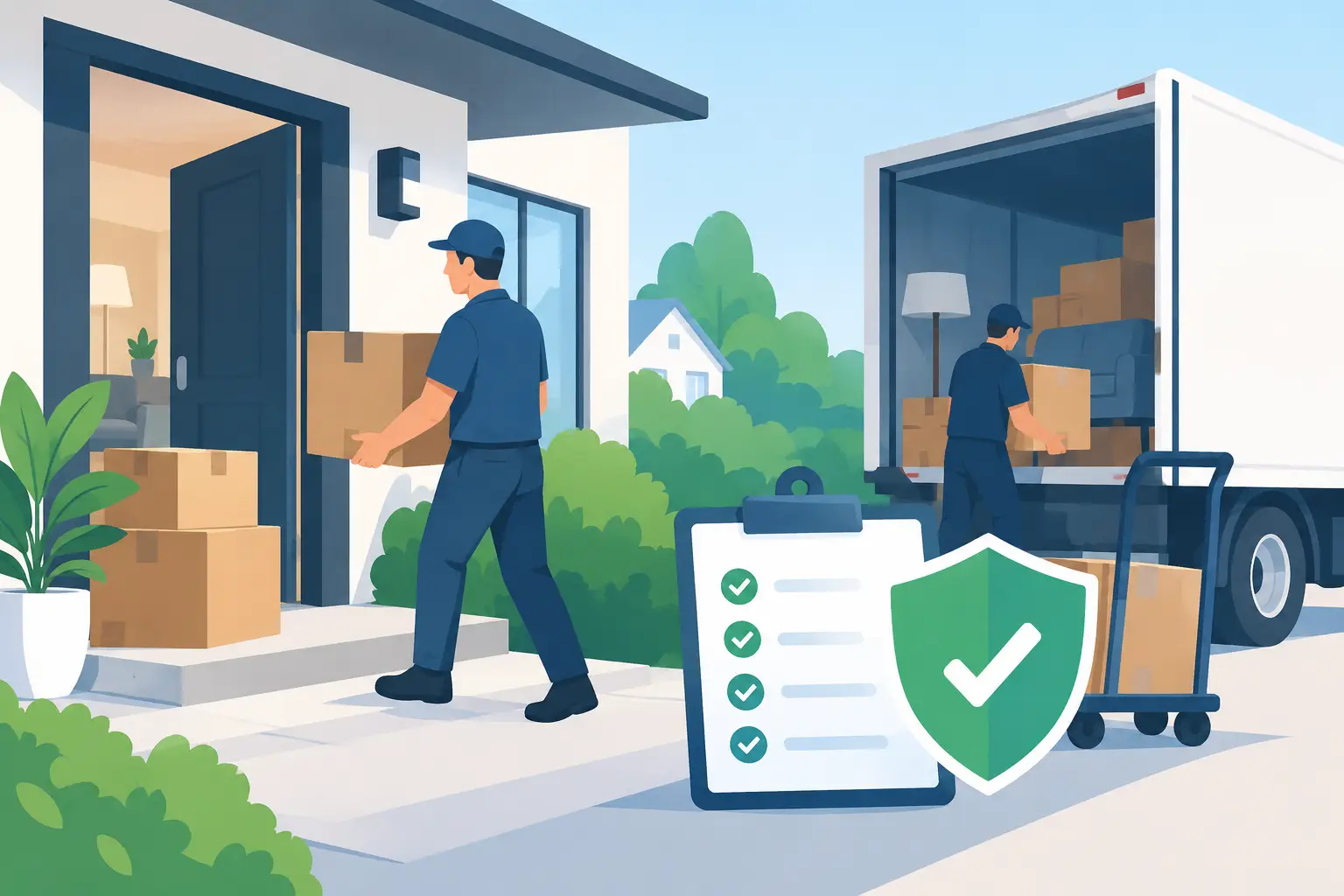
A moving day can go sideways fast when a sofa catches a doorway, a loose box opens on the stairs, or a truck is loaded without a plan. Safe moving requirements are not just paperwork or common-sense reminders. They are the practical steps that protect your family, your belongings, your property, and the people doing the lifting.
Whether you are moving across Toledo, downsizing to an assisted-living community, relocating an office, or heading across state lines, a safer move starts before the truck arrives. A little preparation reduces injuries, damage, delays, and the stress that comes from trying to solve problems at the curb.
Safe Moving Requirements Start Before Moving Day
The safest moves are planned, not rushed. Start by deciding what is actually going with you. Moving unwanted furniture, broken appliances, expired chemicals, or boxes you have not opened in years adds weight, cost, and risk. Donate, sell, recycle, or arrange hauling for items that no longer serve your household or business.
Next, take a realistic look at access. Measure large furniture, appliances, safes, and pianos, then measure doorways, stairwells, elevators, hallways, and turns. A piece that fits inside a room may not fit safely through the route to the truck. This is especially important in older homes, apartment buildings, offices, and industrial spaces where tight corners and narrow entrances are common.
Clear the travel path inside and outside the building. Remove rugs that can slide, extension cords, toys, planters, boxes, and other trip hazards. In winter, shovel and salt walkways. In wet weather, protect floors and make sure the route has adequate lighting. If parking is limited, reserve the closest legal space available and check whether your building or city requires a loading permit.
For apartment, condo, and commercial moves, confirm building rules ahead of time. Some properties require proof of insurance, elevator reservations, loading dock scheduling, or specific hours for movers. Missing one of these requirements can turn an otherwise organized move into a costly delay.
Choose the Right Level of Help
There is a trade-off between doing everything yourself and hiring help for every task. A small move with light, manageable items may work well with a rental truck and a few prepared helpers. Large homes, multistory moves, heavy furniture, long-distance relocations, and business moves usually call for an experienced crew with the right equipment.
Specialty items should never be treated like ordinary boxes. Pianos, gun safes, large safes, pool tables, commercial equipment, antiques, oversized appliances, and fragile artwork may need specialty handling, protective materials, and a crew trained to manage the weight and balance safely. Trying to save time by improvising can damage the item, the building, or someone’s back.
A full-service mover can also handle packing, storage, hauling, supplies, and transportation under one plan. That is often the safer choice when schedules are tight or belongings need to be stored between move-out and move-in dates.
Packing Requirements That Prevent Damage
Good packing is a safety measure. Boxes that are overfilled, poorly taped, or unmarked are harder to carry and more likely to fail. Use sturdy boxes in the correct size, and keep heavy items such as books, tools, and canned goods in smaller cartons. Larger boxes should be reserved for lighter items like linens, pillows, and clothing.
Use enough packing paper, bubble wrap, or other cushioning to keep fragile items from shifting. Fill empty space in boxes so contents do not move during loading and transit. Tape the bottom and top seams securely, especially on reused boxes. If a carton feels weak, place it inside a new box rather than hoping it holds together.
Label every box with the destination room and a clear note if it is fragile, heavy, or should remain upright. This helps the crew load it correctly and helps you avoid opening twenty boxes to find coffee mugs or medications on your first night.
Keep essential items separate from the main shipment. Your essentials box or bag should travel with you and include identification, keys, wallets, medications, chargers, important documents, basic toiletries, a change of clothes, and items your children or pets need right away. Do not pack passports, financial records, jewelry, cash, prescription medication, or irreplaceable personal items into a truck unless you have made a deliberate plan for them.
Items That Need Special Handling or Cannot Go
Not everything belongs in a moving truck or storage unit. Flammable, corrosive, pressurized, or hazardous materials can create serious risks in transit. Most professional movers will not transport these items, and for good reason.
Arrange proper disposal or use-up plans for gasoline, propane tanks, fireworks, ammunition, paint thinners, pool chemicals, pesticides, aerosols, bleach, and other household chemicals. Check local disposal guidance rather than pouring products down a drain or placing them in regular trash. Drain fuel from lawn equipment if required, and confirm the mover’s policy for batteries, lithium-ion devices, and gas-powered tools.
Perishable food also deserves attention. For a local move, a cooler may be enough for refrigerated items. For a long-distance move, it is usually smarter to use, donate, or discard perishables. Frozen food, open containers, and temperature-sensitive items do not mix well with long transit times.
Storage has its own safety requirements. Climate-controlled storage can be a smart fit for wood furniture, electronics, records, artwork, and items affected by heat, cold, or humidity. Still, hazardous materials, food, wet items, and anything that could leak, attract pests, or create odors should stay out of storage.
Safe Lifting and Loading on Moving Day
The simplest lifting rule is also the one most often ignored: do not lift more than you can control. Use dollies, hand trucks, furniture pads, lifting straps, and ramps whenever they are appropriate. Keep loads close to your body, lift with your legs, and avoid twisting while carrying weight. If something is awkward, top-heavy, or too heavy, stop and get help.
Communication matters just as much as strength. Before lifting a large item, agree on the route, who is leading, where the item will be set down, and what commands you will use. A simple call such as “step,” “turn,” or “down” prevents confusion in narrow halls and on stairs.
The truck should be loaded with balance in mind. Heavy items generally go low and toward the front of the cargo area, with furniture pads and secure tie-downs used to limit shifting. Lighter boxes can be stacked on top, but nothing should be piled so high that it becomes unstable. A load that shifts during braking or turns can damage an entire shipment.
Children and pets should stay away from the active loading area. Moving trucks, ramps, open doors, and stacked boxes create hazards even on a calm day. Set up a quiet room, arrange child care, or have a trusted person take pets off-site until loading and unloading are complete.
Protect Both Homes During the Move
A careful move protects the property you are leaving and the one you are entering. Use floor runners, doorway protection, mattress bags, furniture pads, and corner guards where needed. Take dated photos of high-value items and existing wall, floor, or doorway conditions before work begins. This is especially helpful for rentals, condos, and commercial properties.
At the new location, make sure utilities are active, walkways are clear, and rooms are ready for delivery. Decide where major pieces belong before the crew starts carrying them in. Directing furniture to its final room is safer than moving it multiple times after everyone is tired.
If your move includes storage, keep an inventory and place frequently needed items near the front. Leave an aisle so you can reach boxes without climbing over furniture or creating an unstable stack. Labeling and a basic plan save time later and help prevent accidents when you retrieve items.
Work With Movers Who Care
A professional mover should be willing to discuss access, heavy items, packing needs, scheduling, insurance expectations, and any challenges at either address before moving day. Be upfront about stairs, elevators, long carries, oversized items, construction, and parking restrictions. Accurate information allows the crew to bring the right people, truck, and equipment.
Newcomer Movers is locally owned and operated in Toledo with more than 16 years of experience helping households and businesses move, pack, store, haul, and transport specialty items. A 5-star-rated team can make the process easier, but clear communication from the customer remains a big part of a safe, efficient move.
A safer move is rarely about doing more. It is about making the right decisions early, using the proper equipment, and knowing when an item or situation calls for professional help. Give yourself enough time to prepare, ask direct questions, and request a free quote before your moving date is locked in.