How to Move a Refrigerator Without Damage
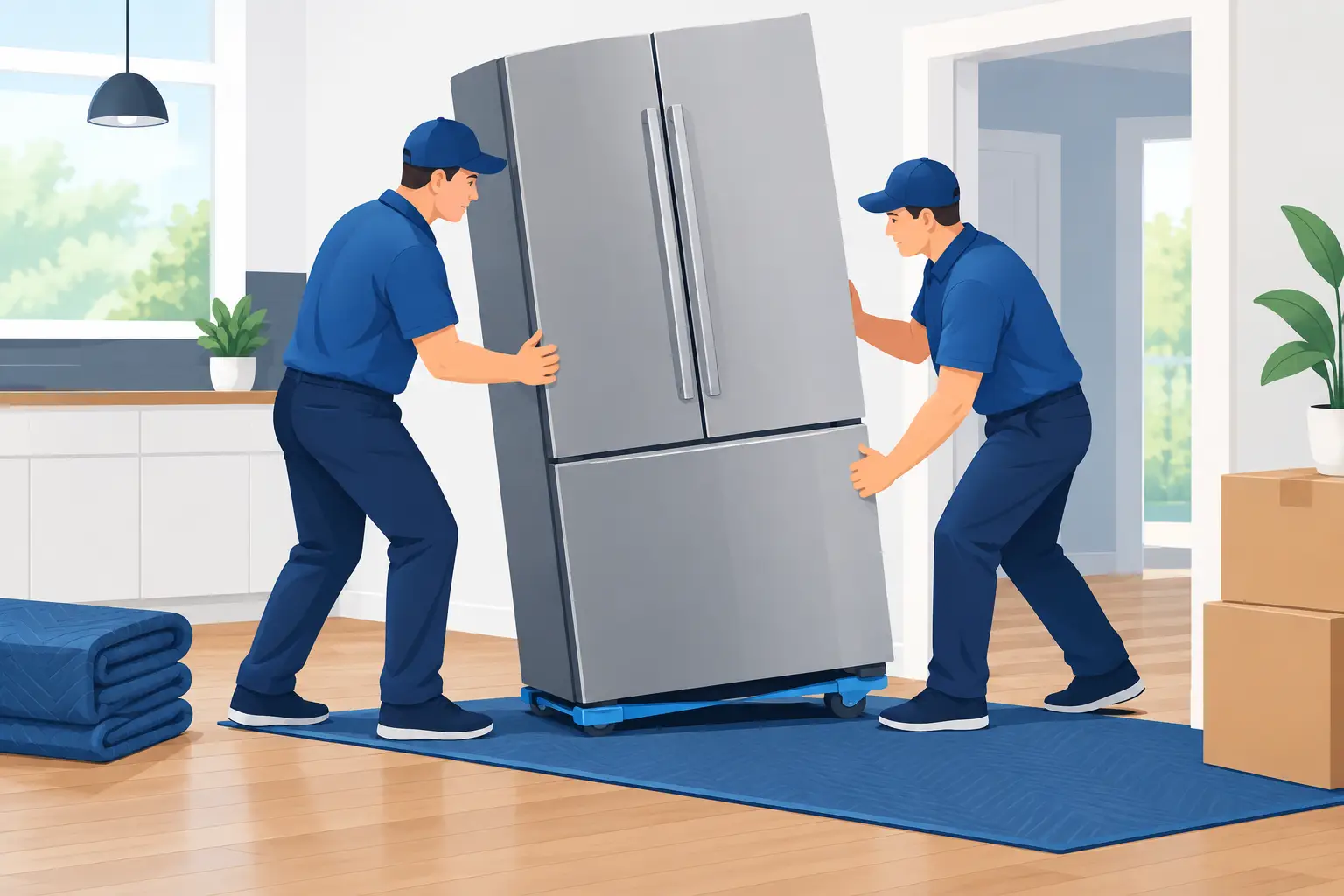
A refrigerator can be one of the heaviest, most awkward items in a home move. It has a high center of gravity, fragile doors and lines, and a finish that can scratch quickly. Knowing how to move a refrigerator safely means more than getting a few strong people together. The right preparation protects your appliance, your floors, and everyone helping with the move.
For a short move across a room, a rental truck move, or a full household relocation, plan ahead. If stairs, tight turns, a built-in water line, or a large French-door model are involved, professional help is often the safer and more affordable choice compared with repairing a damaged refrigerator or treating a moving injury.
Start Preparing 24 Hours Before Moving Day
A refrigerator should not be emptied and unplugged at the last minute. Begin the day before your move so the appliance can thaw and dry completely. This helps prevent water leaks in your home, truck, storage unit, or new kitchen.
Remove all food, drinks, ice trays, magnets, and loose shelves. Use up refrigerated and frozen food first, place it in coolers for a local move, or make separate arrangements for anything perishable. Glass shelves and removable bins should be packed separately in moving paper and a sturdy box. Leaving them inside creates an unnecessary breakage risk.
Unplug the refrigerator at least 24 hours ahead when possible. Open the doors, place towels around the base, and allow the freezer to defrost. Do not chip ice with a knife or sharp tool. You can puncture an interior surface or damage a hidden line. Once thawed, wipe the interior dry and clean it with a mild household cleaner. A dry refrigerator is far less likely to develop odors or mildew during transport.
If your refrigerator has an ice maker or water dispenser, turn off the water supply and disconnect the line according to the manufacturer’s instructions. Keep a towel and small bucket nearby, as a little remaining water is normal. If you are not comfortable disconnecting a water line, arrange for a qualified professional before moving day.
Measure Before You Move a Refrigerator
Many refrigerator moves go wrong before the appliance is even lifted. Measure the refrigerator’s height, width, and depth, including handles and hinges. Then measure every doorway, hallway, elevator opening, garage door, stair landing, and turn between the kitchen and the truck.
Do not assume a standard doorway will work. A refrigerator may fit through an opening straight on but fail at a corner where it needs room to turn. In some homes, removing the refrigerator doors, room doors, or entry doors may be necessary. Refer to the appliance manual before removing refrigerator doors, especially on models with water or electrical connections in the door.
Clear the entire path before the move begins. Roll up rugs, move furniture, secure pets, and make sure children are out of the work area. Cover hardwood, tile, and other vulnerable flooring with floor protection or flattened cardboard where appropriate. A clear route lets the moving team focus on controlling the refrigerator rather than reacting to obstacles.
Gather the Right Equipment
A refrigerator should not be carried by hand through a home. Even a smaller top-freezer model can weigh well over 200 pounds, while large side-by-side and French-door refrigerators may weigh 300 pounds or more. Use equipment designed for the job.
An appliance dolly with a built-in strap is the best choice. Unlike a basic hand truck, an appliance dolly is made to support tall, heavy appliances and secure them during transport. You will also need moving blankets, tape or stretch wrap, work gloves with a good grip, and floor protection. Ratchet straps inside the moving truck are essential to keep the refrigerator from shifting.
Avoid relying on bungee cords, rope, or a single helper. They do not provide the control needed for an appliance that can tip unexpectedly. If you are renting a truck, confirm that the truck has tie-down points and enough interior height for the refrigerator to travel upright.
How to Move a Refrigerator With an Appliance Dolly
Keep the refrigerator upright whenever possible. This is the manufacturer-preferred position because it helps protect the compressor and cooling system. Moving it upright also makes it easier to secure in a truck.
First, close and secure the doors. Use moving straps, stretch wrap, or painter’s tape over a protective layer. Do not tape directly onto a stainless steel or painted finish, as adhesive can leave residue or damage the surface. Wrap the entire appliance in moving blankets, paying special attention to corners, handles, and the control panel.
Position the appliance dolly against the refrigerator’s side, not its front. Slide the dolly’s plate carefully under the bottom edge and center it. Run the dolly strap around the refrigerator, tighten it firmly, and check that the strap is not pressing against a water dispenser, handle, or delicate trim.
With one person controlling the dolly handles and at least one helper stabilizing the top, slowly tilt the refrigerator back only as far as needed to roll it. Communicate before every movement. Move at a walking pace, keep hands away from pinch points, and stop immediately if the appliance begins to shift.
At thresholds or small steps, use controlled lifts with helpers rather than forcing the dolly wheels over an obstacle. Never rush a refrigerator through a doorway. A few extra minutes of careful positioning can prevent dents in the appliance, gouges in trim, or serious injuries.
Stairs, Tight Turns, and Other High-Risk Situations
Stairs change the job completely. A refrigerator can become difficult to control on even a short flight, and its weight can shift quickly. Do not attempt stair moves with one person below the appliance. If the refrigerator falls, the person on the lower side is in the most dangerous position.
For stairs, narrow landings, sharp turns, or exterior steps, hiring trained movers is strongly recommended. Professional crews use appliance dollies, shoulder straps, padding, floor protection, and proven handling methods to manage heavy items safely. This is especially true for large built-in units, commercial refrigerators, or homes with newly finished flooring.
Newcomer Movers has been locally owned and operated since 2007, helping Toledo-area households and businesses handle heavy, oversized items with the care a refrigerator move requires. A professional crew can also handle loading, transport, unloading, and placement so you do not have to coordinate extra equipment or last-minute help.
Secure the Refrigerator in the Truck
Once at the truck, load the refrigerator upright against the front wall of the cargo area whenever possible. This location reduces movement during braking and turns. Keep the appliance wrapped in moving blankets, then use ratchet straps to secure it to the truck’s tie-down rails.
Do not stack boxes, furniture, or loose items on top of the refrigerator. Keep heavy items away from its doors and controls. If you are moving other appliances, secure each item separately rather than using the refrigerator as a support point.
The truck ride matters as much as the lift. Drive slowly over bumps, take turns carefully, and avoid sudden stops when possible. After unloading, bring the refrigerator upright into the new home and place it where it will be installed before removing the protective wrapping.
What If You Have to Lay a Refrigerator Down?
Transporting a refrigerator on its side should be the exception, not the plan. Laying it down can allow compressor oil to move into refrigerant lines, which may affect performance when the appliance is restarted. If upright transport is impossible, check your owner’s manual first because manufacturer guidance varies by model.
When a refrigerator must travel on its side, avoid placing it on the back, where components can be damaged. Protect it thoroughly with moving blankets and keep it secure so it cannot slide. Before plugging it in at the destination, stand it upright for at least as long as it was on its side. Some manufacturers recommend a longer wait, so follow the manual if it provides specific instructions.
Do not plug in the refrigerator immediately just because it looks settled. Giving the cooling system time to stabilize can help prevent avoidable mechanical problems.
Set It Up Carefully at the New Home
After the recommended settling period, reconnect the water line if applicable, turn on the water supply, and inspect for leaks. Plug in the refrigerator and allow it to cool before returning food to the shelves. Most units need several hours to reach a safe temperature, and a freezer may take longer to fully freeze items.
Check that the refrigerator is level and that there is proper clearance around it for ventilation. If doors do not close properly or the unit rocks on the floor, adjust the leveling feet according to the owner’s manual. Keep an eye on the water connection and listen for unusual sounds during the first day of operation.
A refrigerator move is manageable when the route is clear, the equipment is right, and the appliance stays protected from start to finish. When the job includes stairs, tight spaces, or a long-distance move, choosing experienced movers can turn one of moving day’s biggest challenges into one less thing to worry about.