Warehouse Safety Guide for Safer Daily Work
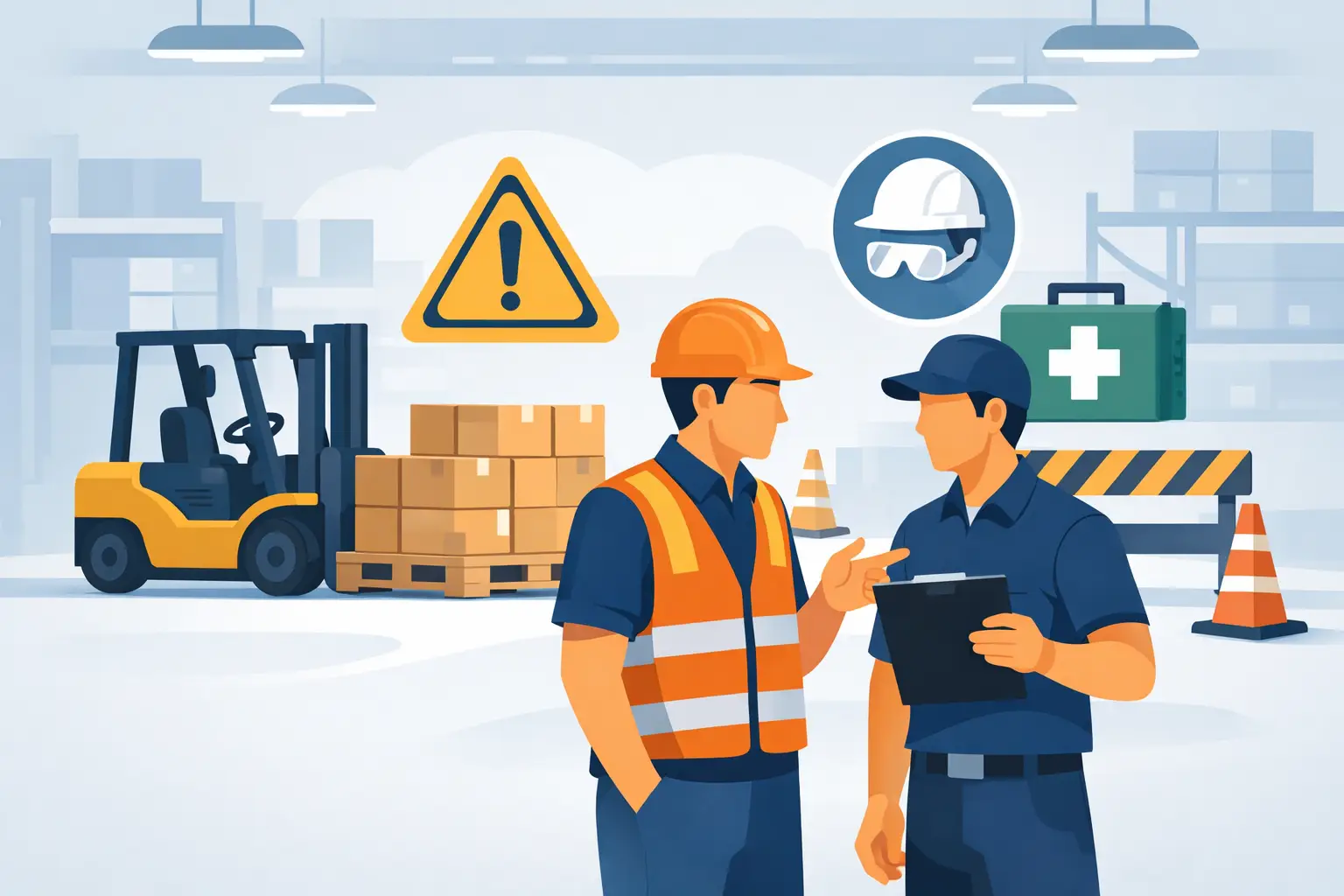
A busy warehouse can change by the hour. A shipment arrives early, a pallet needs to move quickly, a delivery driver is waiting at the dock, and someone is searching for one item in a crowded storage area. That is exactly when simple safety habits matter most. This warehouse safety guide gives warehouse managers, business owners, and crews practical ways to reduce injuries, prevent damage, and keep work moving without cutting corners.
For businesses in Toledo and throughout Northwest Ohio, warehouse safety is not just about meeting a requirement. It protects your people, your inventory, your equipment, and the schedule your customers count on. Whether you operate a small stockroom, a self-storage facility, a distribution center, or an industrial warehouse, the goal is the same: every employee should be able to do the job safely and return home healthy.
Start With Clear, Walkable Warehouse Safety Standards
Safety works best when it is built into the daily routine instead of saved for an annual meeting. Employees need to know where they can walk, where equipment operates, where materials belong, and who to contact when something looks unsafe.
Keep main aisles, emergency exits, electrical panels, fire extinguishers, and first-aid supplies clear at all times. A box left in the wrong place may look harmless, but it can create a trip hazard, block an exit, or force a forklift operator into a dangerous turn. Mark pedestrian lanes and equipment routes clearly, especially near loading docks, blind corners, and high-traffic staging areas.
Good housekeeping is one of the most affordable safety improvements a warehouse can make. Schedule regular floor checks for loose shrink wrap, broken pallets, spills, damaged racking, and clutter. Do not assume the next shift will handle it. The person who sees a hazard should have a clear process for reporting or correcting it right away.
Make Safety Expectations Easy to Follow
Written policies matter, but crews also need plain-language instructions they can use during a busy shift. Post signs where the risk exists, not only in the break room. For example, place dock safety reminders at dock doors, lift capacity information near storage racks, and required protective equipment notices near work areas.
Supervisors should reinforce the same expectations consistently. If employees are expected to wear high-visibility vests in equipment zones, that rule should apply to visitors, contractors, and managers too. Safety standards lose credibility when they are treated as optional during a rush.
Control Forklift and Pedestrian Traffic
Forklifts, pallet jacks, reach trucks, and other powered equipment are essential in many warehouses. They are also among the most serious hazards when operators and pedestrians do not have a reliable way to share the space.
Only trained and authorized employees should operate powered industrial trucks. Training should cover the specific equipment being used, not just general forklift knowledge. A sit-down forklift handles differently from a narrow-aisle reach truck, and a powered pallet jack brings its own risks around feet, corners, and dock edges.
Before each shift, operators should inspect brakes, steering, tires, forks, horn, lights, battery connections or fuel systems, and hydraulic controls. Equipment with a problem should be tagged out and removed from service until it is repaired. Pushing through a shift with questionable equipment can turn a small maintenance issue into an injury or expensive product loss.
Separate people from moving equipment whenever possible. Physical guardrails, marked walkways, mirrors at blind intersections, speed limits, and designated crossing points all help. In smaller facilities, complete separation may not be realistic. In that case, use clear right-of-way rules and require operators to slow down, sound the horn at corners, and keep loads low enough to maintain visibility.
Store Inventory With Weight and Stability in Mind
A warehouse rack is only as safe as the loads placed on it. Overloading, uneven stacking, damaged pallets, or rushed loading practices can lead to falling product and rack failure. These incidents can injure employees and destroy thousands of dollars in inventory in seconds.
Place heavier materials on lower rack levels whenever practical, and keep load weights within the rated capacity of the rack, pallet, and handling equipment. Never guess at capacity. Label racking clearly and ensure employees understand that capacity limits include the total load, not just the weight of one box.
Inspect pallets before use. Cracked boards, protruding nails, broken stringers, or water damage can make a pallet unsafe to lift or stack. Stretch wrap, banding, and corner protection should be used when they are appropriate for the load. The right choice depends on the material, weight, storage time, and how often the pallet will be moved.
Stack boxed goods evenly and avoid leaning loads. Keep product back from rack edges, especially in areas where forklifts turn or where employees pull items by hand. If employees routinely climb racking or stand on pallets to reach inventory, the warehouse needs safer access equipment such as approved ladders, platforms, or order pickers.
Keep Loading Docks Under Control
Loading docks combine vehicle traffic, changing elevations, heavy materials, and time pressure. That makes them one of the most important areas in any warehouse safety guide.
Before loading or unloading begins, confirm that the trailer is properly secured. Use wheel chocks, trailer restraints, or another dependable method based on your dock setup. Check the dock plate or leveler for damage and make sure it is properly positioned and rated for the equipment and load weight involved.
Employees should never work near an open dock edge without understanding the fall risk. Bright floor markings, dock edge barriers, and clear procedures for open doors help prevent accidental falls. Keep dock areas well lit, particularly during early morning, evening, or winter operations when visibility can drop quickly.
Drivers, warehouse staff, and delivery teams need a simple communication process. A driver should know when it is safe to pull away, and employees should know when a trailer is secured and ready for entry. A five-minute check can prevent a trailer from moving while a worker or forklift is still inside.
Train for Lifting, Specialty Items, and Unexpected Jobs
Not every warehouse injury involves a forklift. Strains, sprains, crushed fingers, and back injuries often happen during manual handling. Employees should know how to assess a load before lifting it: check the weight, identify handholds, clear the travel path, and ask for help or equipment when needed.
Use carts, dollies, pallet jacks, lift tables, straps, and team lifts rather than relying on one person to muscle through an awkward item. This is especially important for safes, machinery, office furniture, oversized boxes, and other specialty items. The fastest-looking option is not always the safest or most efficient option once an injury delays the job.
Training should also address uncommon tasks. A crew may handle routine cartons safely all week, then face a one-time move involving a large printer, a piano, or industrial equipment. That job deserves a quick plan before work starts. Identify the weight, route, equipment needed, pinch points, and who is directing the move.
Newcomer Movers has seen firsthand that careful planning makes a major difference when crews handle heavy, valuable, or awkward items. The same approach applies inside a warehouse: assess the job, use the right equipment, and do not rush a task that needs more hands or a safer route.
Build a Reporting Culture That Prevents Repeat Problems
Employees are often the first people to notice damaged racking, recurring spills, poor lighting, blocked exits, or unsafe traffic patterns. They need to feel comfortable reporting those issues without being blamed for slowing down production.
Treat near misses seriously. If a pallet falls but no one is hurt, that is not a reason to move on without review. It is an opportunity to find out what failed before someone gets injured. Look for the real cause: Was the pallet damaged? Was the rack overloaded? Was the operator unable to see clearly? Was the aisle too tight for the work being done?
Brief shift huddles can be useful when they stay focused. Cover a current hazard, a recent change in workflow, weather-related concerns, or a reminder about equipment inspections. A two-minute conversation that is specific to the day’s work can be more effective than a long lecture employees have heard before.
Make Safety Part of the Workday
A safer warehouse does not have to be a slower warehouse. Clear aisles reduce delays. Organized storage makes inventory easier to find. Well-maintained equipment avoids breakdowns. Trained employees make better decisions when schedules get tight.
The best warehouse safety programs are practical, visible, and consistent from the loading dock to the back aisle. Start with the hazards your team sees most often, correct what can be fixed immediately, and keep improving the process one shift at a time. That steady attention protects the people doing the work and helps your operation stay dependable when customers need you most.