How to Dispose Moving Debris Without the Stress
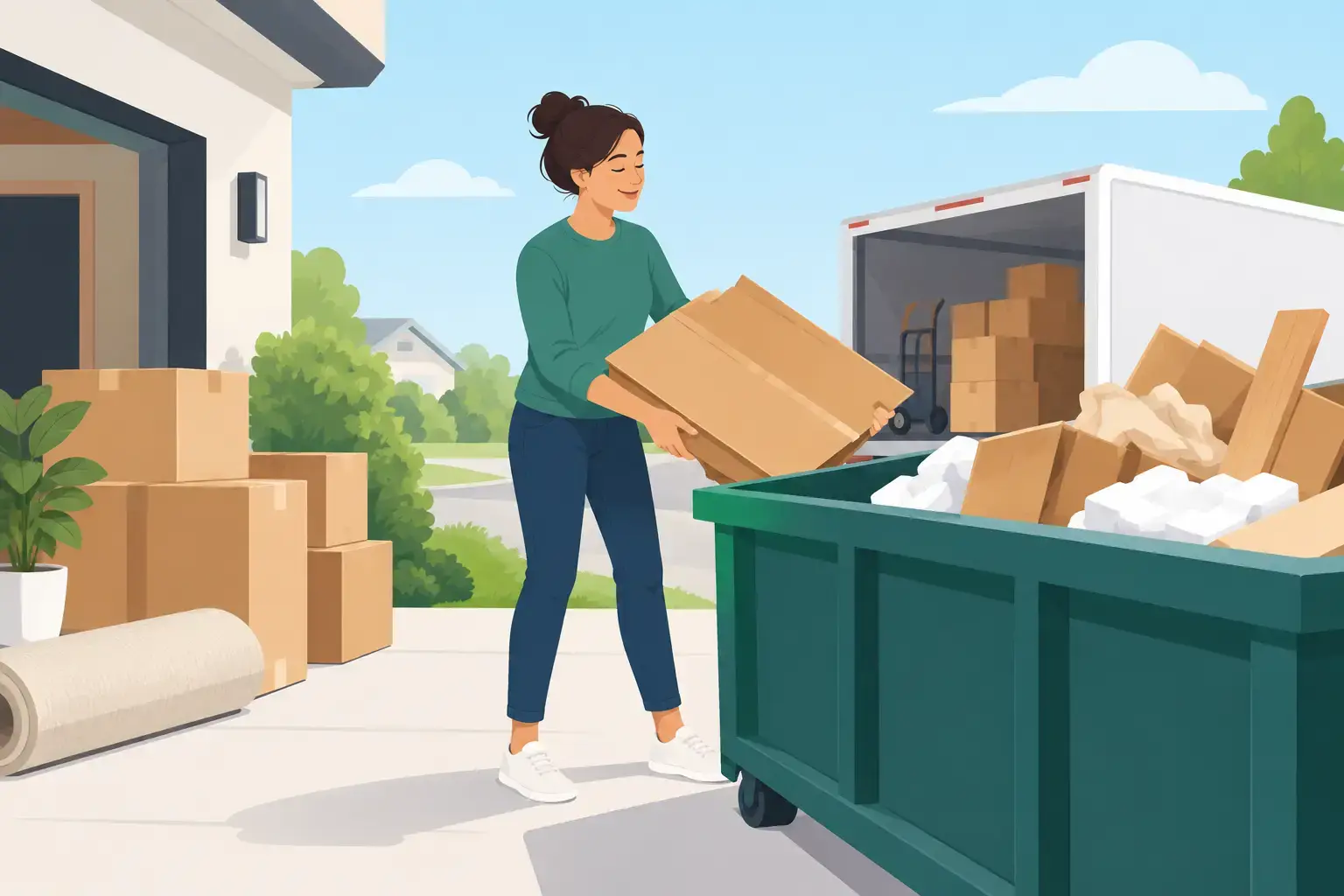
Moving day creates more than a change of address. It can leave behind towers of cardboard, unwanted furniture, broken household items, packing paper, and things that simply will not fit in the new place. Knowing how to dispose moving debris before the truck arrives keeps your property safer, your schedule clearer, and your final cleanup from becoming another full weekend of work.
The easiest approach is to sort as you go, not after every room has been emptied. Decide what can be reused, donated, recycled, hauled away, or handled as special waste. That simple plan prevents usable belongings from ending up in the trash and keeps prohibited materials out of an overloaded dumpster or curbside bin.
Start Sorting Moving Debris Before Packing
The cheapest debris is the debris you never move. As you pack each room, create separate areas for items you are keeping, items worth donating, recyclable materials, and true trash. A garage, basement, spare room, or clearly marked section of the driveway can work well for staging these categories.
Be realistic about what deserves to make the move. A worn-out couch, damaged particleboard dresser, broken exercise equipment, or duplicate appliance may cost more in time and moving space than it is worth. If an item has been sitting unused for years, this is often the right moment to let it go.
For businesses, the same rule applies to office furniture, outdated displays, surplus supplies, and nonworking equipment. Removing these items before a commercial move makes loading faster and gives your team a cleaner start at the new location.
How to Dispose of Moving Debris by Type
Not everything belongs in the same container. Separating materials protects the people handling them and can reduce your disposal cost.
Cardboard, paper, and packing materials
Flatten clean cardboard boxes and keep them dry. Many boxes can be used again for storage, offered to another mover, or recycled through a local recycling program. Paper packing material is usually recyclable if it is clean and free of food, paint, grease, or moisture.
Plastic wrap, bubble wrap, foam peanuts, and air pillows are more complicated. Some recycling programs accept certain plastics, while others do not. Save reusable materials for your next storage project or set them aside for a moving company or neighbor who can use them. Do not assume every plastic packing material belongs in your curbside bin.
Furniture, appliances, and household goods
Clean, safe, usable items may be accepted by local charities, community organizations, or resale outlets. Donation is a strong option for tables, chairs, dressers, small appliances, kitchenware, clothing, and home goods that are still in working condition.
Items that are torn, moldy, infested, severely damaged, or unsafe should be hauled away instead. Major appliances may require special handling because they can contain refrigerants, oils, or electronic components. Check local requirements before placing them at the curb or inside a dumpster.
Electronics and batteries
Televisions, computers, printers, monitors, cables, and rechargeable batteries should not be treated like ordinary household garbage. Electronics contain materials that require designated recycling or collection programs, and batteries can create a fire risk when crushed or exposed to heat.
Keep these items in a separate, labeled box until you can take them to an appropriate drop-off location or arrange specialty removal. For businesses, plan ahead for secure disposal of devices that may contain customer, employee, or company data.
Paint, chemicals, and other hazardous materials
Partially full paint cans, solvents, pesticides, automotive fluids, propane tanks, pool chemicals, and cleaning products need special attention. Never pour chemicals down a drain, mix products together, or toss pressurized containers into a dumpster. These materials can injure handlers, damage equipment, and create serious environmental problems.
Leave products in their original containers when possible, tighten the lids, and use your county or city household hazardous waste program. If you are unsure whether an item is hazardous, treat it carefully and ask your local disposal provider before moving it.
Choose the Right Removal Option
Your best disposal method depends on the amount of debris, your timeline, and whether you can safely handle heavy lifting. A few boxes and bags may fit into normal trash collection over several pickup days. A full-house cleanout, renovation leftovers, or a large downsizing project usually calls for a more efficient solution.
A dumpster rental is practical when you expect debris to build up over several days. It gives you a central place for nonhazardous junk, old furnishings, construction materials, and packing waste while you work at your own pace. It is especially useful when preparing a home for sale, clearing an estate, or emptying a business space.
Junk hauling is often the better choice when you want the debris gone quickly and do not want to load a container yourself. A trained crew can remove bulky pieces, navigate stairs, and clear a garage, basement, attic, office, or storage unit. This option can save considerable time for seniors, busy families, landlords, and business owners facing a firm move-out deadline.
Newcomer Movers provides moving, hauling, dumpster rental, storage, and packing support for Toledo-area customers who would rather coordinate one dependable local team than call several companies. The right service can be scheduled around your move so cleanup does not delay closing, key handoff, or the first night in your new home.
Keep the Work Area Safe During Cleanup
Moving debris is more than an inconvenience. Loose nails, broken glass, torn carpet strips, wet cardboard, and overloaded bags can cause injuries when people are tired and working quickly. Wear closed-toe shoes and gloves, keep walkways open, and place sharp materials in sturdy containers rather than thin trash bags.
Do not stack debris where it blocks a driveway, sidewalk, fire exit, or access to the moving truck. If you are using a dumpster, load heavy materials evenly and never pile waste above the container rim. Overfilled containers can be unsafe to transport and may require extra handling.
Keep children and pets away from the cleanup area. This matters even more when paint, tools, cleaning chemicals, or broken furniture are involved. A few minutes spent securing the work zone can prevent an expensive and stressful accident.
Avoid the Most Common Disposal Mistakes
The biggest mistake is waiting until the last day to decide what stays and what goes. Last-minute sorting leads to rushed decisions, extra moving costs, and piles that cannot be collected before you need to leave. Begin decluttering at least a few weeks ahead when possible, starting with storage areas and rarely used rooms.
Another common issue is assuming a dumpster accepts everything. Most containers have restrictions on hazardous waste, tires, batteries, certain electronics, liquids, and other regulated materials. Ask what is allowed before loading, especially if your cleanup includes a garage, workshop, or commercial property.
Finally, do not depend on curbside pickup for a large move-out pile without confirming local rules. Collection limits, bulky-item schedules, and recycling requirements vary. A planned hauling service or dumpster can be far more predictable when your move has a hard deadline.
A clean move-out is one less thing to worry about when the keys are changing hands. Sort early, protect usable items, handle special waste responsibly, and choose a removal option that fits the size of your job. Then you can put your energy where it belongs: getting settled into what comes next.