How to Pack College Dorm Rooms Without Overpacking
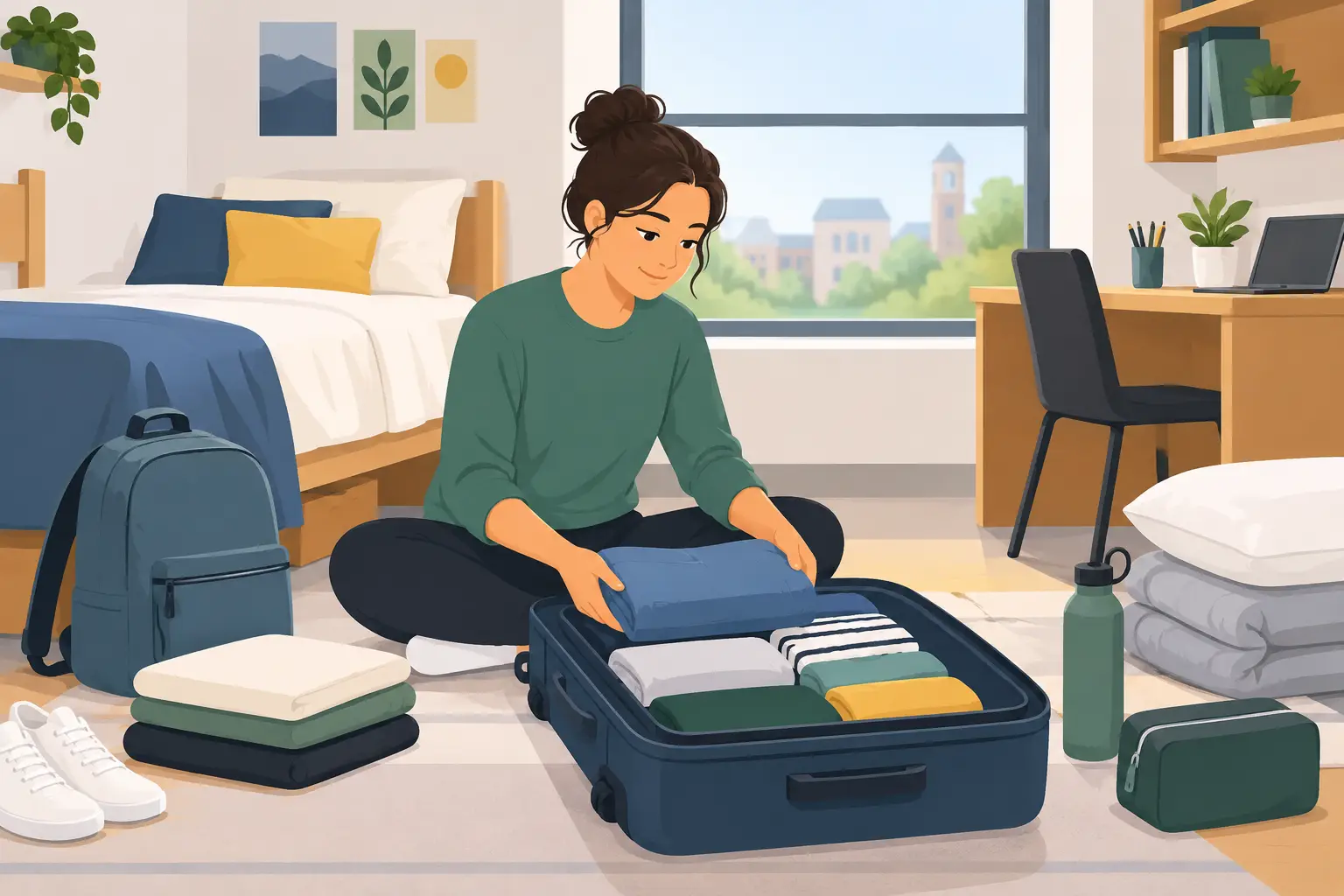
Move-in day has a way of making every extra bag feel twice as heavy. Learning how to pack college dorm belongings starts with one reality check: a dorm room is small, often shared, and usually not available for early setup. Pack for the space your student will actually have, not for the bedroom they are leaving behind.
A good dorm move should feel organized from the driveway to the third-floor hallway. The goal is not to bring everything. It is to bring what supports sleeping, studying, showering, eating simple meals, and feeling at home during the first few weeks.
How to Pack College Dorm Essentials in the Right Order
Start with the college’s housing information. Confirm the room dimensions, bed size, furniture provided, move-in appointment, parking rules, elevator access, and prohibited items. A twin XL sheet set is common, but it should never be assumed. Small details such as whether a microwave is permitted or whether the room has air conditioning can prevent wasted money and wasted packing space.
Next, have the student speak with their roommate before shopping. This is one of the easiest ways to avoid arriving with two mini-fridges, two printers, and enough cleaning supplies for an entire floor. Decide who is bringing shared items such as a rug, trash can, coffee maker, fan, storage cart, or television. Put the agreement in writing in a shared note so nobody has to rely on memory during a busy summer.
Then divide belongings into four groups: daily essentials, school supplies, comfort items, and items that can wait. Daily essentials include bedding, toiletries, medications, laundry supplies, chargers, and a few days of clothes. School supplies cover a laptop, notebooks, books, desk items, and any equipment required for the student’s program. Comfort items might include photos, a favorite blanket, or a small lamp. The last group is where most overpacking happens.
If an item is only useful for a rare occasion, is easily replaced near campus, or does not have a clear home in the dorm, leave it behind for now. Families can always send a care package or bring seasonal items during a visit. Starting lighter gives students room to understand their routine before the room fills up.
Choose Containers That Work on Move-In Day
Cardboard boxes are affordable and useful, but they are not always the best choice for a dorm move. Stairs, crowded hallways, rain, and long walks from a parking lot can take a toll on flimsy boxes. Use a mix of sturdy, manageable containers rather than a few oversized ones that are difficult to lift safely.
Clear plastic bins work well for linens, snacks, shoes, cleaning supplies, and under-bed storage. Since the container will likely stay in the room, choose bins that fit under the dorm bed or stack neatly in a closet. Soft-sided duffel bags are a smart choice for clothing, towels, and bedding because they can be folded away once unpacked.
Keep every box and bin light enough for one person to carry comfortably. Books, canned food, and electronics become heavy fast. Pack books in smaller boxes and cushion electronics with towels, blankets, or packing paper. Do not use loose items as filler if they could leak, stain, or damage a laptop or monitor.
Label each container on at least two sides. Use large, simple labels such as “Open First,” “Bedding,” “Desk,” or “Bathroom.” Adding the student’s name and room number is helpful when several people are unloading at once. Color-coded tape can also make it easy for family members or movers to spot where each item belongs.
Pack an Open-First Bag, Not an Open-First Box
The first hour in a dorm room is usually crowded and tiring. The student should carry one backpack or duffel that stays with them, rather than getting buried in the vehicle. This bag should hold identification, housing paperwork, keys, wallet, phone, chargers, medications, prescription glasses, a water bottle, and any valuables.
A separate open-first tote should include the basics needed to make the room usable right away: sheets, pillow, blanket, shower shoes, toiletries, toilet paper, disinfecting wipes, a small trash bag, hand soap, and simple tools. Add a power strip if allowed by the college, along with scissors or a box cutter used carefully.
This approach matters because beds often need to be made before there is room to unpack anything else. Once the student has a clean place to sleep and their personal items are secure, the rest of the setup becomes far less stressful.
Pack Clothes for the Semester, Not Every Season
Clothing is one of the largest sources of dorm clutter. For a fall move-in, pack warm-weather outfits, a few layers, rain gear, comfortable walking shoes, sleepwear, and enough laundry supplies to make a weekly routine easy. Leave heavy winter coats, holiday clothes, and bulky specialty items at home unless the student truly needs them right away.
This advice depends on distance and access. A student attending college close to Toledo may be able to swap clothing during a weekend visit. A student moving across the country may need a more complete seasonal wardrobe. Even then, vacuum bags can reduce the space needed for coats and extra bedding, though they should not be used for items that wrinkle easily or need airflow.
Dorm closets are limited, so bring slim hangers and avoid packing clothing that no longer fits or has not been worn in a year. College is a fresh start, and the dorm room does not need to become a storage unit for old belongings.
Protect Electronics, Documents, and Valuables
Pack a laptop, tablet, gaming system, monitor, and headphones in their original boxes when possible. If those are gone, use a snug box with padding on all sides. Do not place electronics in a vehicle where they can slide around beneath heavier containers. Keep cords in labeled zipper bags so they do not turn into one tangled pile at move-in.
Important documents should travel with the student or parent, not in a moving box. That includes identification, insurance information, medical records, financial aid paperwork, and vehicle documents. Take photos of serial numbers for expensive electronics, and consider dorm insurance or a review of the family’s homeowners or renters policy.
Sentimental items deserve the same care. A few framed photos or meaningful keepsakes can make a dorm feel personal, but irreplaceable valuables are often safer at home. Shared rooms, maintenance access, and frequent visitors all make that a practical decision.
Load the Vehicle for a Faster Dorm Move
Load in reverse order of unpacking. Put seasonal storage, extra clothes, and items that can wait toward the front of the vehicle. Keep the open-first tote, bedding, cleaning supplies, and daily essentials near the back so they come out first.
Avoid bringing loose furniture unless the college has confirmed it will fit and the item solves a real need. Dorm rooms can feel smaller than photos suggest, especially after two students add desks, chairs, storage, and personal belongings. Compact items that serve more than one purpose are usually the better choice, such as an ottoman with storage or a bedside caddy that keeps essentials off the floor.
For families with a larger load, a long-distance move, or a student heading to school after a household transition, professional help can make the day more manageable. Newcomer Movers is locally owned and operated, 5-star-rated, and equipped to help Toledo-area families with careful packing, moving, storage, and seven-day scheduling.
Leave Space for the Student to Settle In
After the major items are inside, resist the urge to unpack every container immediately. Make the bed, set up the study area, organize toiletries, and clear a walkway. Then let the student decide where the rest belongs. They are the person who will live in the room, and they may have a different system than the one that makes sense at home.
A well-packed dorm is not the one with the most supplies or the best-looking bins. It is the one that gives a student an easy first night, a clear place to study, and enough breathing room to make the space their own.