Document Storage Options for Homes and Businesses
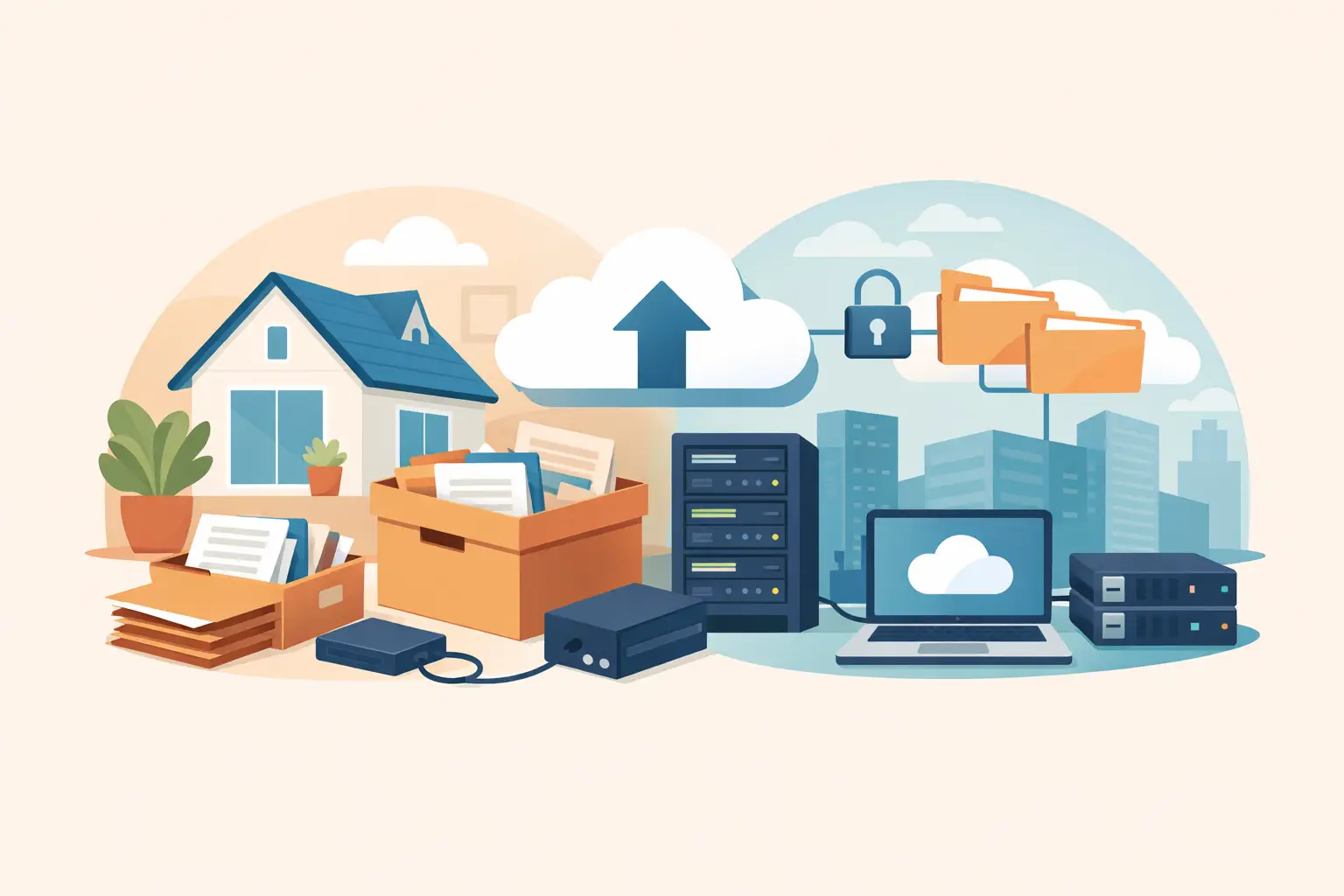
A stack of tax returns, closing papers, employee files, and old contracts can become a problem fast when it takes over a closet, office, or garage. The right document storage options protect information, free up usable space, and keep important records available when you actually need them.
For Toledo households and businesses, the best choice depends on three practical questions: How often do you need access? How sensitive are the documents? How much space are the boxes taking up? A small home filing system may be enough for current paperwork, while long-term business records often need a more secure, climate-controlled place outside the office.
Start by Separating Active and Archived Records
Not every paper deserves the same level of access. Current bills, medical records, property documents, active client files, and paperwork for an ongoing project should stay close by. Keep these records organized in a locked filing cabinet, home office drawer, or secure office file room where they can be reached without digging through boxes.
Archived records are different. These are documents you need to retain but rarely review, such as past tax returns, paid invoices, closed customer files, old leases, and completed project records. Moving archives out of your daily workspace can make a home or office feel more organized without forcing you to throw away papers you may need later.
Before choosing a storage method, create a simple inventory. Label each box by category and year, then make a note of its contents in a spreadsheet or paper log. A clear labeling system saves time when an accountant, attorney, lender, customer, or family member asks for a specific record.
Document Storage Options That Fit Real Needs
There is no single right answer for every household or business. The most practical document storage options are often a combination of local filing, digital copies, and off-site storage for paper archives.
Filing Cabinets and Locking File Boxes
For active records, a locking filing cabinet remains one of the most reliable choices. It keeps documents upright, sorted, and easy to retrieve. A locking, fire-resistant file box can also work well for small collections of essential papers, especially for renters, students, seniors, and households with limited space.
This option is convenient, but capacity is limited. A cabinet can quickly become overfilled, and a garage or basement is not always a safe place for paperwork. Moisture, pests, temperature swings, and accidental water damage can ruin paper records over time.
Fire-Resistant Safes for Essential Papers
A home or office safe is best for a small group of irreplaceable documents. Think birth certificates, Social Security cards, passports, vehicle titles, wills, property deeds, insurance policies, and backup drives. These items should not be mixed into ordinary archive boxes.
Choose a safe that is rated for fire protection and can be anchored if appropriate. Remember that a safe protects a limited amount of paperwork. It is not a practical replacement for storing years of business files, client records, or household tax documents.
Digital Storage and Scanned Backups
Scanning records can reduce paper clutter and make routine documents easier to search. Digital copies are useful for receipts, utility bills, manuals, invoices, and many business documents. For sensitive files, use password protection, strong account security, and a backup method that does not depend on one device.
Digital storage is helpful, but it should not automatically mean shredding every original. Some records may require original signatures, seals, or paper copies for legal, financial, property, or insurance reasons. When you are uncertain, keep the original until you confirm that a digital copy is acceptable.
Climate-Controlled Storage for Long-Term Archives
Climate-controlled storage is often the best fit for boxed records that must be retained but do not need daily access. Stable temperature and humidity can help protect paper from dampness, mildew, curling, fading, and deterioration. This matters in Northwest Ohio, where seasonal weather can make unconditioned garages, sheds, and basements a risky place for important archives.
Businesses can use climate-controlled units for closed files, accounting records, inventory documents, historical paperwork, and seasonal administrative materials. Families may use them during a move, home renovation, downsizing, estate cleanout, or transition to assisted living.
For long-term storage, use sturdy banker boxes or archival-quality containers. Avoid overpacking boxes, which makes them hard to lift and easier to crush. Keep boxes off the floor when possible, label every side, and place the most likely-to-be-needed files near the front of the unit.
Portable Storage When Timing Is Uncertain
Portable storage can be a practical choice when document boxes are part of a larger move or renovation. It gives you a place to load files, office equipment, furniture, and supplies on your schedule before the final destination is ready.
This approach is especially useful for office moves, lease changes, construction projects, and households that are between homes. It is less ideal for records you need to retrieve frequently, since access may require more planning than a cabinet or nearby storage unit.
Security Should Match the Sensitivity of the Records
Documents can contain account numbers, addresses, medical details, employee information, and private business data. Treat paper archives with the same care you would give a laptop or financial account.
Use locked containers for confidential records and limit access to only the people who need it. Keep an inventory of what is stored, but do not write sensitive account details on the outside of boxes. For business records, establish a clear retention policy so former files are not kept indefinitely without a reason.
When it is time to dispose of records, do not simply toss them in the trash. Shred documents containing personal, customer, employee, or financial information. Proper disposal protects your household, clients, and company from unnecessary exposure.
How Long Should You Keep Paper Records?
Retention needs vary by document type, business requirements, tax situation, and legal obligations. Tax records, property paperwork, insurance documents, payroll records, contracts, and personnel files may all follow different timelines. If you own a business, work with your accountant or attorney to create a retention schedule that fits your industry.
For households, keep permanent records such as identity documents, estate documents, property deeds, and vehicle titles in a safe place. Keep records connected to major purchases, home improvements, taxes, warranties, and insurance for as long as they remain relevant. Once a retention period has passed, securely shred what you no longer need rather than paying to store boxes forever.
Make Storage Part of a Move or Office Cleanout
A move is one of the best times to sort documents because every box has to be handled anyway. Set aside one clearly marked group for essential papers that travels with you, one group for files that need quick access after the move, and one group for long-term archives.
For businesses, separate active operations files from closed records before movers arrive. This prevents a new office from being filled with years of paperwork that no one uses. If old furniture, shelves, or unwanted materials are in the way, hauling and dumpster rental can make the cleanout easier to manage.
Newcomer Movers can help Toledo-area households and businesses coordinate moving, portable storage, climate-controlled storage, hauling, and other logistics through one locally owned team. That can be a major relief when paperwork is only one part of a larger relocation, downsizing, or office transition.
The best system is the one you can maintain. Keep active documents close, protect irreplaceable papers in a safe, store long-term archives in a suitable environment, and schedule a quick review once a year. A few organized boxes now can prevent a stressful search later.