A Guide to Loading Heavy Furniture Safely
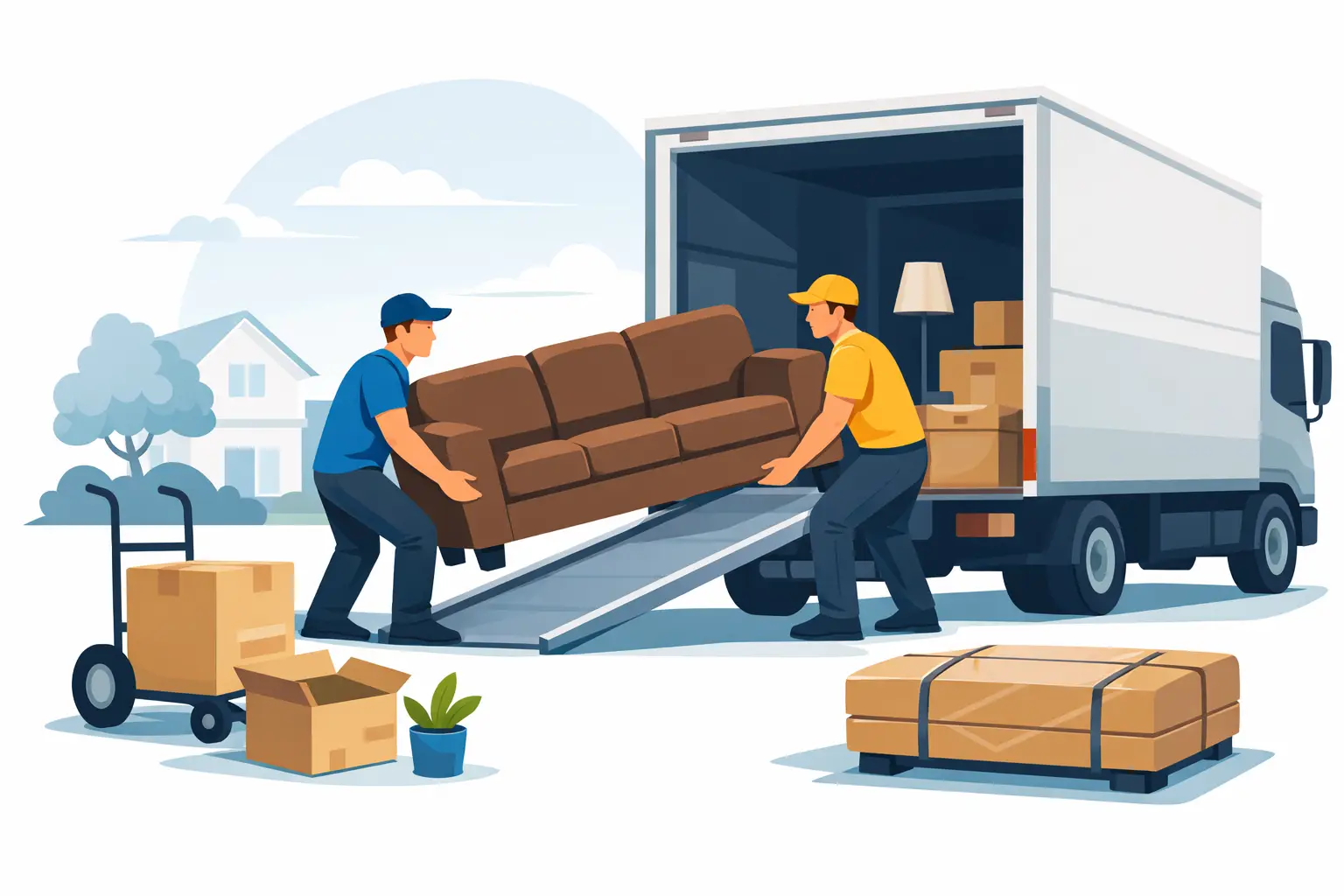
A sofa that barely fits through the living room doorway can become a serious problem once it reaches the truck ramp. Heavy furniture is awkward, hard to grip, and capable of shifting without warning. This guide to loading heavy furniture is built for people who want to protect their belongings, their property, and the people doing the lifting.
The best move is not always the fastest move. A few minutes spent measuring, wrapping, staging, and securing a large item can prevent a damaged dresser, a scratched floor, or an injury that delays the entire move. If you are loading a piano, safe, oversized sectional, solid-wood armoire, or another specialty item, professional handling is often the safer and more affordable choice.
Start the Heavy Furniture Loading Plan Before Moving Day
Do not wait until the truck is parked to figure out how a piece will leave the house. Measure the furniture at its widest points, then measure doorways, stairwells, hallways, elevators, and the truck opening. Remove cushions, shelves, drawers, detachable legs, and other pieces that can come off safely. Put hardware in labeled bags and keep those bags with the furniture, not loose in the truck.
Think about the path from each room to the truck. Clear rugs, toys, boxes, cords, and anything else that can create a trip hazard. Protect door frames, banisters, corners, and finished floors with moving pads, cardboard, or temporary floor protection. A heavy item may be durable, but the walls and trim around it are not.
Check the weather, too. Rain creates slippery ramps and wet moving blankets. Ice, snow, strong winds, and extreme heat change the risk level. If conditions make lifting or ramp use unsafe, it is better to adjust the schedule than force a dangerous load.
Choose Equipment That Matches the Item
Muscle alone is not a moving plan. The right equipment controls weight, reduces strain, and makes it easier to keep furniture stable during loading. For most large household pieces, a sturdy furniture dolly, moving blankets, stretch wrap, ratchet straps, and work gloves are the starting point.
A four-wheel furniture dolly works well for dressers, cabinets, and boxed items with a stable base. An appliance dolly is better for tall, heavy pieces that need to stay upright, such as certain cabinets or appliances. Use load straps to secure the item to the dolly before it starts moving. Never rely on one person to hold a heavy piece in place while another person pulls the dolly.
Furniture sliders can help move an item across a room, but they are not designed for use on ramps or stairs. Shoulder straps may help experienced teams distribute weight, yet they require clear communication and level footing. They are not a shortcut for handling an item that is too heavy for the crew.
For safes, pianos, commercial equipment, and unusually dense furniture, standard household equipment may not be enough. These items can damage ramps, floors, and trucks if they are not handled with specialized dollies, proper tie-down points, and trained movers.
Use Safe Lifting and Carrying Practices
Before every lift, agree on the route, the stopping points, and the commands the team will use. One person should call the moves: lift, step, stop, lower, and set down. Confusion is dangerous when two or more people are carrying a heavy dresser through a narrow doorway.
Lift with your legs, keep the load close to your body, and avoid twisting while holding weight. Turn with your feet instead. Keep fingers away from the underside of furniture and from door frames, truck edges, and pinch points. Gloves can improve grip, but they do not make a slippery or oversized item safe to carry.
Avoid the common mistake of overloading the crew. If the furniture feels unstable or anyone cannot maintain a firm grip, set it down carefully and rethink the approach. Add another helper, use a dolly, remove more parts, or call for professional help. Back injuries and crushed fingers are not worth saving a few minutes.
Guide to Loading Heavy Furniture Into a Moving Truck
Load the heaviest and largest items first. Place them toward the front of the truck, closest to the cab, to help keep the load balanced. Heavy furniture should sit low and against the truck wall whenever possible. A tall, heavy item placed near the rear can make the truck harder to handle and puts more stress on smaller belongings behind it.
Use the ramp slowly. One person should guide from below while the stronger pushing force comes from the lower end of the ramp. Never stand directly downhill from a loaded dolly. If the item slips, the person below is in its path. Keep the ramp dry, fully seated, and clear of loose packing material.
Once the piece is inside, pad it before placing other items beside it. Moving blankets prevent wood, upholstery, metal, and finished surfaces from rubbing together. Stretch wrap can hold blankets in place, but do not apply it directly to delicate wood finishes, leather, or surfaces that may trap moisture. When in doubt, put a clean moving pad between the wrap and the furniture.
Use ratchet straps or heavy-duty tie-downs to secure furniture to the truck’s anchor points. Straps should hold the piece steady without crushing drawers, trim, or upholstery. Check them again after loading several items. Loads settle, especially when blankets compress or items shift into place.
Do not stack heavy boxes on upholstered furniture, glass-top pieces, or fragile cabinets. Sofas and mattresses can often be loaded upright to save space, but they must be protected from dirt, moisture, and sharp edges. Keep glass, mirrors, and artwork in designated protected areas, never loose between heavy furniture.
Balance the Truck From Front to Back and Side to Side
A truck can look full and still be loaded poorly. The goal is to distribute weight evenly across the truck floor while keeping the densest items low and forward. Do not place every heavy item on one side. This can affect handling, especially on turns, uneven roads, or long-distance trips.
Build sections as you load. Secure a row of heavy furniture, fill gaps with lighter boxes or soft goods, then strap the section before moving on. Empty spaces allow furniture to gain momentum when the truck brakes or turns. Use mattresses, sofa cushions, and moving pads as protection, but do not treat them as a substitute for proper tie-downs.
If you are renting a truck, respect its weight limit and loading guidance. More space does not mean more capacity. A load that exceeds the vehicle’s rating can create braking, tire, and handling problems.
Know When Heavy Furniture Needs Professional Movers
There is a clear difference between moving a standard recliner and moving a 900-pound safe down a stairway. Specialty items need specialized planning. Pianos require protection for sensitive internal components as well as careful handling of their uneven weight. Safes can crack flooring, damage steps, and become dangerous if they tip. Large commercial furniture and industrial equipment may also require extra labor, lift-gate trucks, or specialized moving tools.
Newcomer Movers is locally owned and operated since 2007, with experienced movers who care for heavy household, office, and specialty items. For Toledo-area moves or long-distance relocations, a trained crew can provide the labor, equipment, truck space, packing protection, and secure transport needed to handle difficult pieces without turning moving day into a gamble.
Professional service is especially worthwhile when there are stairs, tight turns, fragile finishes, limited help, health concerns, or a deadline to meet. It can also simplify a move that includes storage, junk hauling, packing, or truck rental needs.
Make the Unload Just as Safe
Loading is only half the job. Before driving away, take a final walk through the truck. Confirm that heavy furniture is strapped, the ramp is stored, doors are latched, and nothing can slide into the rear door. Drive smoothly, allow more stopping distance, and take turns carefully.
At the destination, inspect the path before unloading and repeat the same process in reverse. Keep the crew coordinated, use equipment instead of rushing, and set each item down in a clear staging area. Heavy furniture deserves a careful plan from the first doorway to the final room – and your back, home, and belongings will be better for it.