Can Dumpster Rentals Handle Concrete Safely?
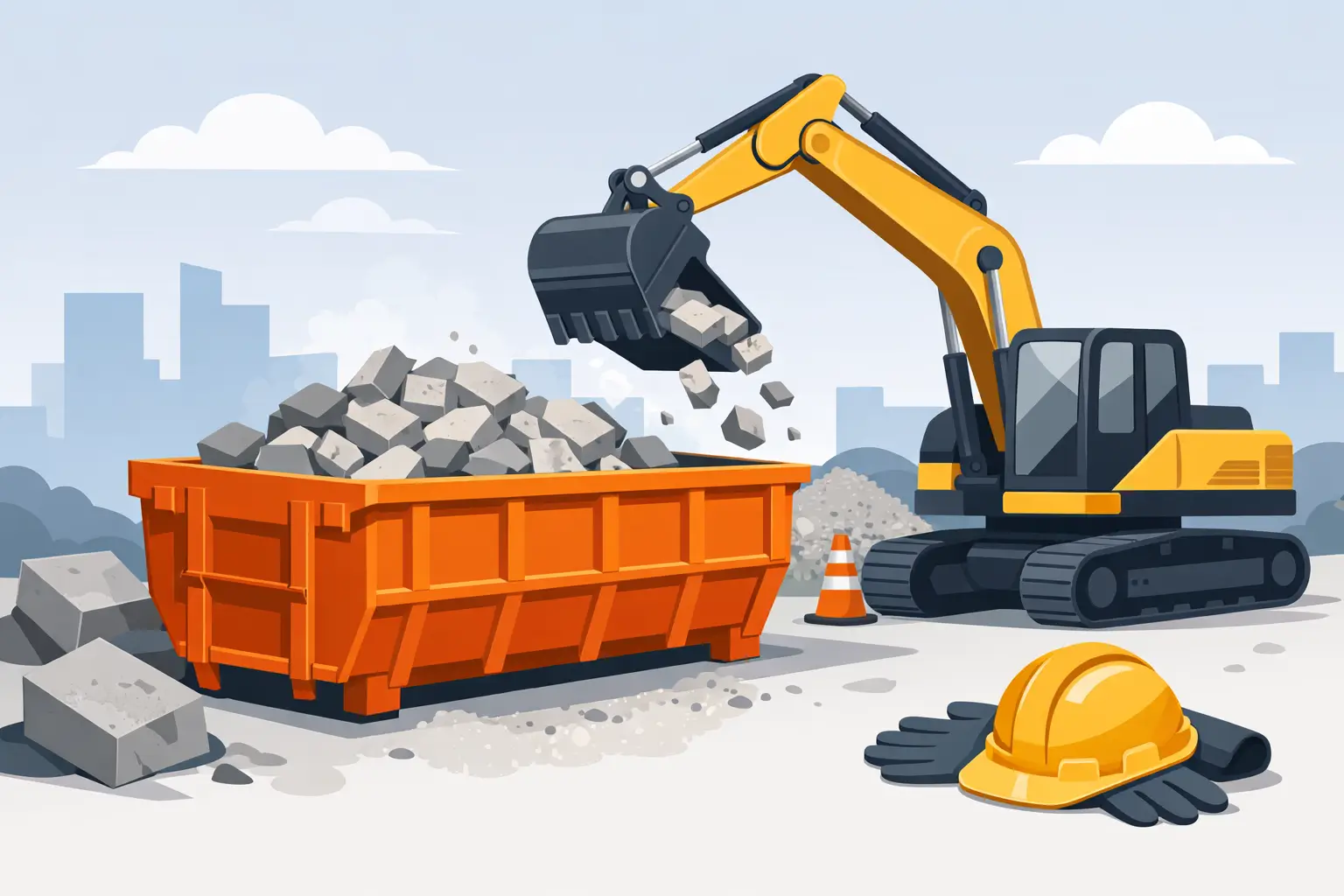
A broken patio, driveway section, or old sidewalk can look manageable until the concrete starts coming out in pieces. Then the weight adds up fast. So, can dumpster rentals handle concrete? Yes, but concrete disposal needs more planning than a typical household cleanout. The right container, load limit, and disposal arrangement protect your budget and help keep the job moving.
For Toledo-area homeowners, contractors, landlords, and business owners, the safest approach is to discuss the material before the dumpster arrives. Concrete is usually accepted in a dumpster rental, but it is rarely treated like ordinary junk. A little up-front planning can prevent an overloaded container, an extra fee, or a pickup delay when you are ready to wrap up demolition.
Can Dumpster Rentals Handle Concrete? Usually, With Limits
Concrete is dense. One cubic yard can weigh roughly 4,000 pounds, depending on moisture, thickness, and whether it includes dirt or other material. That means a container that appears only partly full may already be near its permitted weight limit.
Most dumpster rentals can handle clean concrete when the load is approved and kept within the provider’s rules. In many cases, concrete must go into a smaller dumpster or a container dedicated to heavy debris. Larger containers are not always the better choice. Their volume invites people to fill them, and a full large dumpster of concrete can become too heavy for safe hauling or disposal.
The practical answer depends on how much concrete you have, what is mixed with it, and where the container will be placed. A few broken landscape blocks are different from a full driveway tear-out. Before scheduling, estimate the area being removed and share the details with the rental company. An experienced team can recommend a container size and loading plan that fit the project instead of simply sending the biggest dumpster available.
Clean Concrete Is Easier to Dispose Of
The word “concrete” can mean several different loads at a disposal facility. Clean concrete is generally the simplest category. This includes plain concrete slabs, curbs, sidewalks, steps, and chunks of driveway material with minimal dirt attached.
Concrete mixed with other debris may require a different plan. Wood, roofing, insulation, trash, plastic, carpet, soil, and household junk can change how the load is processed and where it can be taken. Rebar and wire mesh may also affect handling requirements, even though they are commonly found in slabs.
If you are demolishing more than concrete, it may make sense to use one dumpster for clean heavy debris and another for mixed construction waste. That can sound like an extra step, but separating materials often makes pickup, disposal, and pricing more predictable. It also gives recyclable concrete a better chance of being crushed and reused as aggregate rather than sent out with mixed debris.
What counts as clean concrete?
Clean loads typically consist of concrete pieces with small amounts of attached rebar or mesh, plus limited residue from the original installation. Dirt, asphalt, brick, block, and stone may be handled differently depending on the facility and the rental agreement. Ask before loading rather than assuming all hard materials belong together.
Painted concrete, concrete with adhesive, or material from a commercial or industrial site may need additional review. If there is any concern about chemical exposure, oil staining, asbestos-containing material, or other hazardous waste, do not place it in the dumpster until you have received clear direction. Standard dumpsters are not designed for hazardous materials.
Choose a Dumpster Based on Weight, Not Just Space
For furniture, boxes, and general household clutter, it is natural to think in terms of how much space an item takes up. Concrete requires a different mindset. Weight is the deciding factor.
A small load of thick sidewalk sections can weigh more than a large room full of old furniture. Even a compact dumpster can reach its weight allowance quickly. The rental provider may set a fill line, require concrete to remain below the top rail, or limit the amount of heavy debris allowed in a single container. Those rules are about safe transport, legal road weight limits, and proper disposal – not making the project harder.
When you request a quote, be ready to describe the project in practical terms. Share the approximate length and width of the slab, its thickness, and whether it includes a base layer of gravel or soil. Photos can also help a provider understand the material and recommend the right option.
For example, removing a small concrete pad behind a garage may call for a very different container than removing several inches of driveway across two parking spaces. If you have a major demolition project, multiple smaller loads may be safer and more cost-effective than trying to force everything into one oversized dumpster.
Load Concrete the Safe Way
Once the dumpster is on site, load it evenly. Do not stack all the concrete on one end or drop oversized pieces into the container from a height. Uneven loads can make hauling more difficult and can damage the dumpster, driveway, or surrounding property.
Break large slabs into manageable pieces before loading whenever possible. Smaller pieces are easier to move safely and distribute across the container. Keep debris below the rim so the load can be covered and transported securely. Material sticking above the top edge may require unloading before pickup.
Concrete work is demanding, and injuries happen when people rush. Wear sturdy boots, gloves, eye protection, and appropriate hearing protection when using demolition tools. Use a wheelbarrow, hand truck, or equipment suited to the weight of the material. If the project involves a large slab, heavy machinery, or difficult access, professional hauling support can save time and reduce the risk of damage.
Protect the placement area
A loaded concrete dumpster puts significant weight on the ground or pavement beneath it. Choose a level, accessible location with enough room for delivery and pickup. Avoid soft ground, steep slopes, and areas where underground utilities, sprinkler heads, or low branches create problems.
If the container will sit on a driveway, ask about using boards or other protective measures beneath it. This is especially helpful for newer asphalt, decorative concrete, or surfaces that may be vulnerable to concentrated weight. Also check local requirements if the dumpster needs to sit in the street or public right-of-way. Some locations require a permit before delivery.
Know What Cannot Go Into a Concrete Dumpster
A concrete dumpster is for approved heavy construction material, not every item uncovered during a renovation. Keep electronics, tires, batteries, paint, propane tanks, fuels, chemicals, and other regulated materials out of the container. Appliances, mattresses, and certain bulky items may also have separate disposal requirements.
Do not use a concrete-only load as a catch-all for garage clutter or household trash. A mixed load can change the disposal category and lead to additional handling costs. If you are clearing a property while removing concrete, consider separating the work into a heavy-debris container and a general junk hauling or dumpster rental solution.
Newcomer Movers helps customers handle projects that overlap – from hauling unwanted items to renting dumpsters for renovation debris. As a locally owned and operated Toledo company since 2007, the team can help you plan a rental around the material you actually have, not a one-size-fits-all guess.
Get Clear Pricing Before Demolition Starts
The best time to ask about concrete pricing is before the first section is broken apart. Confirm whether the quote includes a stated weight allowance, what happens if the load exceeds that allowance, and whether clean concrete must be kept separate. Also ask about rental length, driveway placement, pickup scheduling, and any local permit responsibility.
This conversation matters because concrete projects can expand quickly. Once an old patio is removed, homeowners often find broken base material, extra soil, or adjacent landscaping debris that also needs attention. Knowing the accepted materials and weight rules ahead of time makes it easier to decide what belongs in the container and what needs a separate disposal plan.
A dumpster can be a practical, affordable way to clear concrete from your property, as long as the container matches the load. Share the scope of your project honestly, keep the debris clean when possible, and let the rental team help you choose a safe path from demolition to pickup.