Portable Storage vs Self Storage: Which Fits?
A lot of storage decisions get made when life is already busy – right in the middle of a move, a renovation, a downsizing plan, or an office cleanout. That is exactly why the portable storage vs self storage question matters. The right choice can save you time, extra driving, and a lot of frustration. The wrong one can turn a simple project into a week of loading, unloading, and trying to keep everything on schedule.
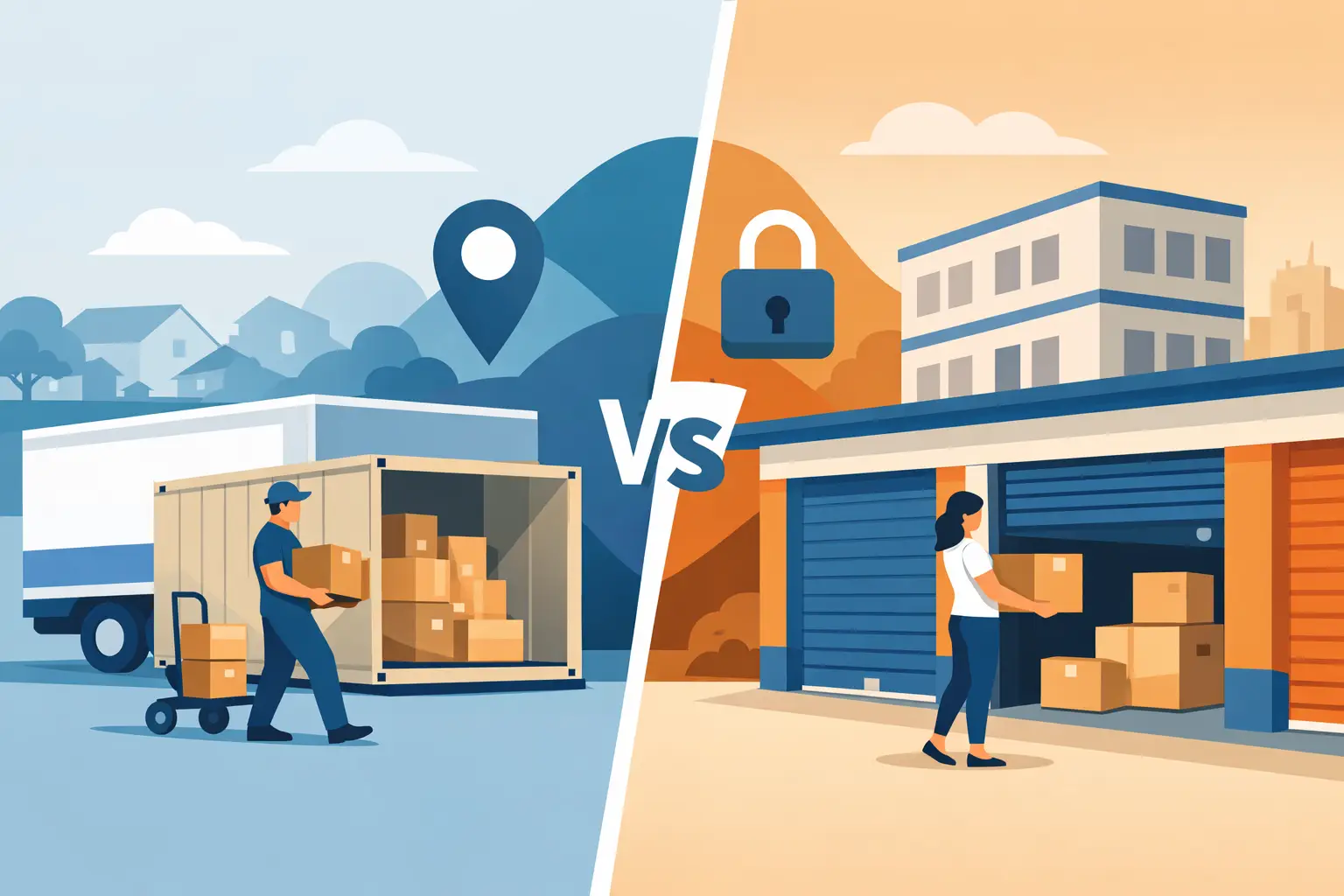
If you are weighing both options, the biggest difference is simple. Portable storage comes to you. Self storage requires you to bring your items to the facility. That sounds straightforward, but the better fit depends on how long you need storage, how often you need access, how much labor you want to take on, and whether transportation is part of the problem you are trying to solve.
Portable storage vs self storage: the core difference
Portable storage is built for convenience. A container is delivered to your home, apartment, or business, and you load it on-site. Once packed, it can stay at your location for temporary access or be moved to a secure storage facility. For people juggling moving timelines, home projects, or business transitions, that removes a major step.
Self storage is the more traditional option. You rent a unit at a storage facility and transport your belongings there yourself or with moving help. It can be a very practical choice, especially if you want regular access to your items and do not mind driving to the unit.
Neither option is automatically better across the board. It depends on what you are storing, how quickly you need it handled, and whether your priority is access, price, flexibility, or less physical work.
When portable storage makes more sense
Portable storage is often the better choice when your schedule is tight and your space is in transition. If you are moving from one home to another and the dates do not line up perfectly, having a container brought to your property gives you room to pack in stages instead of rushing everything into one day.
It is also a strong fit for remodeling projects. If you are redoing floors, painting multiple rooms, replacing cabinets, or preparing a house for sale, portable storage lets you clear out furniture without hauling it across town. Your belongings can be packed once and kept out of the way until the project is done.
For businesses, portable storage can help during office renovations, relocations, or inventory overflow. Instead of tying up staff time with repeated trips to a storage facility, the unit comes to the site. That matters when you are trying to keep operations moving.
Portable storage also works well for customers who want fewer touchpoints. You load once at your location, and from there the container can stay put or be moved for secure storage. Less handling usually means less wear on your items and less stress for you.
When self storage is the better choice
Self storage can be the better value if you need long-term storage and expect to visit the unit from time to time. Seasonal items, extra furniture, business records, college belongings, and household overflow are common examples. If your items are not tied to an active move or renovation, a standard storage unit may be all you need.
It also makes sense if you prefer to organize your space gradually and want the ability to stop by on your own schedule. Some customers like having a dedicated off-site unit they can access as needed without coordinating a container drop-off or pickup.
Self storage may also be a simpler fit when property space is limited. Not every driveway, lot, or commercial site has the room for a portable container. In those cases, bringing items directly to a storage facility can be the more practical route.
Cost depends on more than the monthly rate
People often compare portable storage and self storage by asking which one is cheaper. The better question is which one costs less for your specific situation.
A self storage unit may have a lower monthly rate on paper. But if you need to rent a truck, buy extra packing time, make multiple trips, or take days off work to move everything yourself, the total cost can climb quickly. Fuel, mileage, labor, and inconvenience all count.
Portable storage may carry delivery and transportation costs, but it can reduce other expenses. You may avoid truck rental, cut back on repeated loading, and keep your project moving faster. For a family in the middle of a relocation or a business trying to minimize downtime, that convenience has real value.
The most affordable option is usually the one that matches the job. If you just need a place to keep extra items and can move them on your own timeline, self storage may be the more economical choice. If your time is tight and transportation is a major part of the challenge, portable storage often earns its keep.
Access matters more than most people think
Before choosing between portable storage vs self storage, think honestly about how often you will need to reach your items.
If you want frequent access, self storage is usually easier. You know where the unit is, and you can visit when needed. That is helpful for business inventory, archived files, tools, or household items you may want to rotate in and out.
Portable storage is better when access is temporary or project-based. If the goal is to pack up belongings during a move, protect furniture during a renovation, or store items until closing day, you may not need regular access at all. In that case, the convenience of on-site loading often outweighs the need for frequent visits later.
The key is not paying for flexibility you will never use. If your items are going into storage and staying there untouched for weeks or months, portability may solve more problems than open-ended access.
Which option is easier during a move?
For most active moves, portable storage has the edge. It gives you more control over pacing, especially if you are packing while still living or working in the space. You can load room by room instead of trying to finish everything in one rush.
That said, self storage can still work well if your move is local, your schedule is predictable, and you already have transportation lined up. Some customers prefer loading a truck and bringing items straight into a unit, particularly when they plan to sort through belongings over time.
If heavy furniture, specialty items, or tight deadlines are involved, professional support makes a big difference either way. A 5-star-rated company with broad moving and storage experience can help you avoid the common problems – damaged items, poor packing, scheduling gaps, and wasted time.
A smart choice for homes, seniors, students, and businesses
Different customers need different storage solutions. Families preparing for a sale often benefit from portable storage because it helps clear the home quickly. Seniors who are downsizing may appreciate a less rushed process with fewer trips back and forth. Students may find self storage more practical for straightforward short-term needs between semesters.
For commercial customers, the decision usually comes down to access and efficiency. If inventory, files, or equipment need regular retrieval, self storage may be the better fit. If the goal is to support a relocation, renovation, or temporary overflow without disrupting daily operations, portable storage can be the stronger option.
Locally owned and operated since 2007, Newcomer Movers has seen firsthand that storage works best when it is built around the customer, not forced into a one-size-fits-all answer.
How to decide without overthinking it
Ask yourself four practical questions. Do I need the storage to come to me? Will I need regular access after loading? Am I trying to solve a transportation problem, a space problem, or both? And how much time and labor do I really want to spend on this?
If convenience, fewer trips, and flexible moving timelines are your top priorities, portable storage is often the better answer. If steady long-term storage and easy repeat access matter most, self storage is usually the stronger fit.
The best storage setup should make your next step easier, not create another job for you. When the choice matches your schedule, budget, and workload, everything around the move or project gets simpler.