How to Pack Fragile Dishes Without Breaks
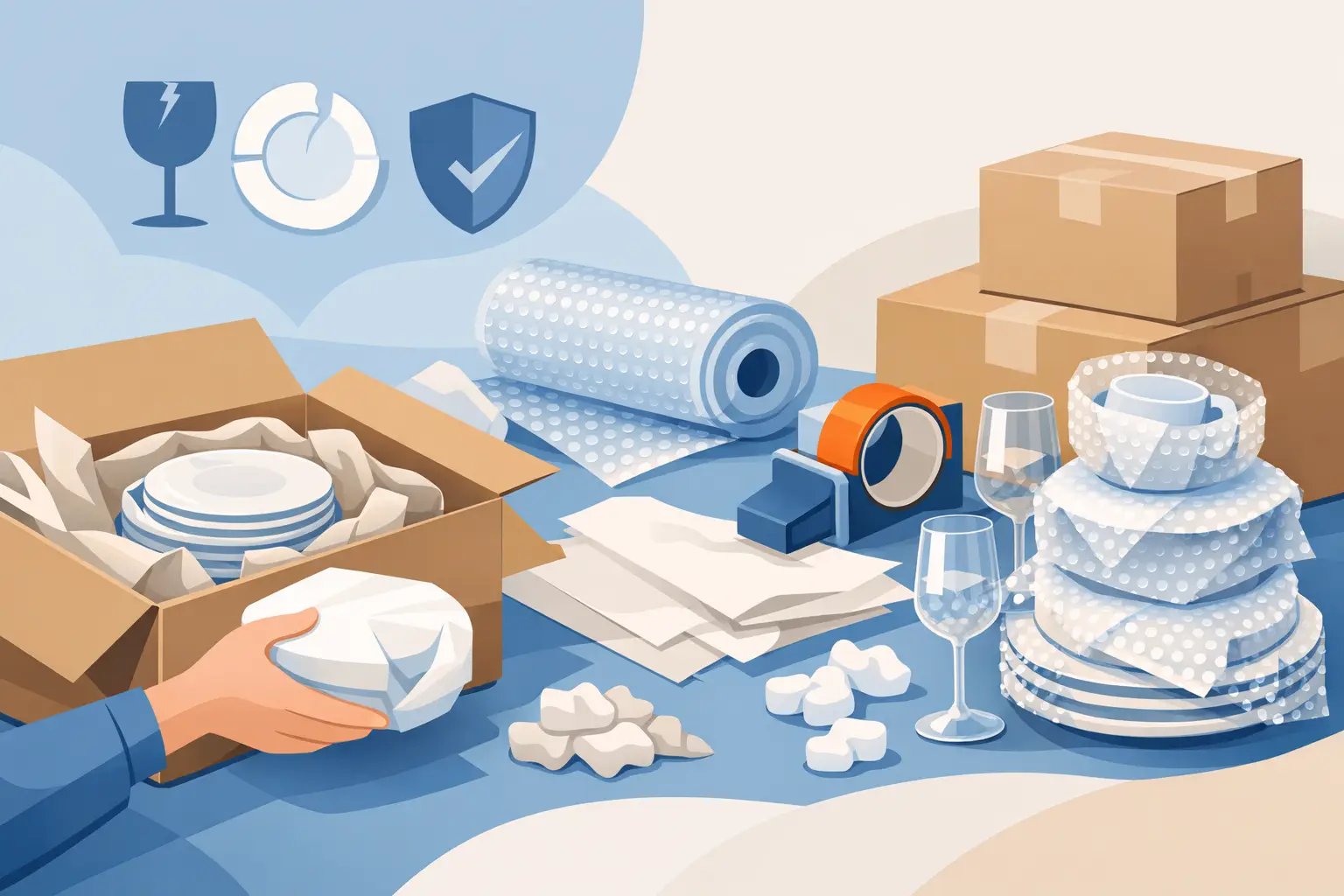
One cracked dinner plate can turn a normal moving day into a frustrating cleanup job. If you’re wondering how to pack fragile dishes without opening a box full of chips and broken glass, the good news is that the process is simple when you use the right materials, the right box setup, and a little patience.
Packing dishes is not just about wrapping each piece and hoping for the best. Plates, bowls, serving platters, mugs, and glassware all handle pressure differently during a move. A box that looks full and secure can still shift in the truck if the weight is uneven or the padding is too thin. That is why careful packing matters, especially for families, seniors, and anyone trying to avoid replacing half the kitchen after moving day.
How to pack fragile dishes the right way
Start by choosing the right packing supplies. This step matters more than most people think. Thin boxes, old newspaper, and loosely packed paper towels usually do not offer enough protection for dishes traveling across town or across state lines.
You will get better results with sturdy small or medium moving boxes, packing paper, bubble wrap for especially delicate pieces, strong packing tape, and box dividers if you are packing glassware. Dish pack boxes are especially helpful because they have thicker walls and hold weight better than standard cartons. They cost more, but they usually save money compared to replacing broken kitchenware.
Before you wrap anything, prepare the box itself. Tape the bottom seams with more than one strip, then add a thick cushion on the bottom. Crumpled packing paper works well. Some people use towels or linens, which can help, but soft fabric alone should not be the only layer because it compresses too easily under weight.
The biggest mistake people make is overfilling a large box with heavy dishes. Plates get heavy fast. A smaller, reinforced box is usually the safer choice because it keeps the load manageable and reduces the chance of the bottom giving out.
Wrap each dish individually
Each dish should be wrapped on its own. Stack-wrapping without individual layers is quicker, but it increases the chance of rubbing, chipping, and hairline cracks. Use clean packing paper, place the dish in the center, fold the corners over it, and add another sheet if the item is thin or valuable.
For everyday plates and bowls, several sheets of packing paper are often enough. For china, stoneware, or sentimental pieces, add bubble wrap after the paper. The paper protects the surface, while the bubble wrap adds shock absorption. Wrap tightly enough to stay in place, but not so tight that you put pressure on delicate handles or rims.
If you are packing mugs or cups, pay close attention to the handles. Handles are usually the first part to break. Fill the inside with crumpled packing paper first so the item has support from within, then wrap the whole piece and give the handle area extra padding.
Pack plates on their sides, not flat
One of the best tips for how to pack fragile dishes is also one of the most overlooked. Plates should usually be packed vertically, like records on a shelf, not stacked flat on top of each other.
When plates are packed flat, the weight presses down through the stack. That pressure increases the chance of cracking, especially if the box gets set down hard. When packed on their sides with cushioning between them, they are generally better able to handle vibration and movement during transport.
Use the same thinking for larger platters if the size allows. Keep paper or foam between each piece, and avoid letting ceramic surfaces touch directly. If a platter is too wide for vertical packing, wrap it heavily and place it flat with plenty of padding above and below, making sure nothing heavy goes on top.
Packing bowls, glassware, and odd-shaped kitchen items
Bowls can be packed in nested groups, but only if each bowl is wrapped and cushioned. Do not place bare bowls inside one another. Even when they seem snug, movement during the drive can grind the surfaces together and cause chips.
Glassware needs extra attention. Stemware, wine glasses, and thin drinking glasses are more vulnerable than most dishes because they combine narrow weak points with fragile rims. Wrap them individually, stuff the inside with paper, and place them upright in a divided box if possible. It depends on the thickness of the glass, but in most cases upright packing is safer than laying glasses on their sides.
Lids, especially glass lids, deserve their own wrapping. Do not leave them attached to pots, pans, or casserole dishes. Wrap each lid separately and place it in the box so it cannot slide around. For casserole dishes and baking pans, wrap the main piece, then wrap the lid, and add padding between them if they are packed near each other.
Odd-shaped kitchen items such as pitchers, gravy boats, and serving pieces should be packed based on their most fragile point. For a pitcher, that is often the handle. For a teapot, it may be the spout. Protect those areas first, then build out the rest of the wrapping.
How full should a dish box be?
A dish box should be full enough that items do not shift, but not packed so tightly that you have to force the top closed. That balance is what keeps dishes safe.
After loading wrapped dishes, fill all empty spaces with crumpled packing paper. Gaps are a problem because they allow movement, and movement is what leads to impact damage. At the same time, pressing too much weight into the box can create stress fractures before the move even starts.
Once the box is packed, gently shake it. If you hear clinking or feel items shifting, open it back up and add more filler. Then place a final cushion of paper on top before sealing the box. Mark it clearly as FRAGILE and note that it contains dishes. Labeling does not guarantee perfect handling, but it gives everyone a better chance to move it correctly.
What not to do when packing fragile dishes
A few shortcuts cause most breakage. One is mixing heavy cookware with dishes in the same box. Cast iron, small appliances, and stacks of plates should not travel together. Another is reusing weak grocery boxes or liquor boxes that are already worn down.
It is also a mistake to rely on newspaper for direct wrapping if you care about keeping dishes clean. Newspaper ink can transfer, and glossy finishes may pick up smudges. Packing paper is the better option.
Finally, do not assume a box marked fragile should go at the very top of a truck with no planning around it. Dish boxes should sit on a flat, stable surface and should not have heavy furniture or equipment pressing against them. Good packing helps, but proper loading matters too.
When it makes sense to get professional help
If you are moving a full kitchen, packing fine china, helping a parent downsize, or managing a long-distance relocation, professional packing can be worth it. The bigger the move, the more room there is for rushed packing and preventable damage.
A 5-star-rated team can pack faster, use the right materials, and build boxes that hold up better in transit. That is especially helpful if you are balancing work, kids, closing dates, or storage plans at the same time. For customers who want fewer moving-day surprises, having movers who care handle the breakables can take a lot of pressure off.
Locally owned and operated since 2007, Newcomer Movers has worked with families, seniors, renters, homeowners, and businesses that need careful packing as much as reliable transportation. Not every move needs full-service packing, but when fragile kitchen items are involved, getting experienced help can be the difference between unpacking dinner plates and unpacking a mess.
Packing dishes well comes down to a few smart choices: use sturdy boxes, wrap every piece, keep weight under control, and fill every gap. Do that, and your kitchen has a much better chance of arriving ready to unload instead of ready to replace.