What Is Climate Controlled Storage?
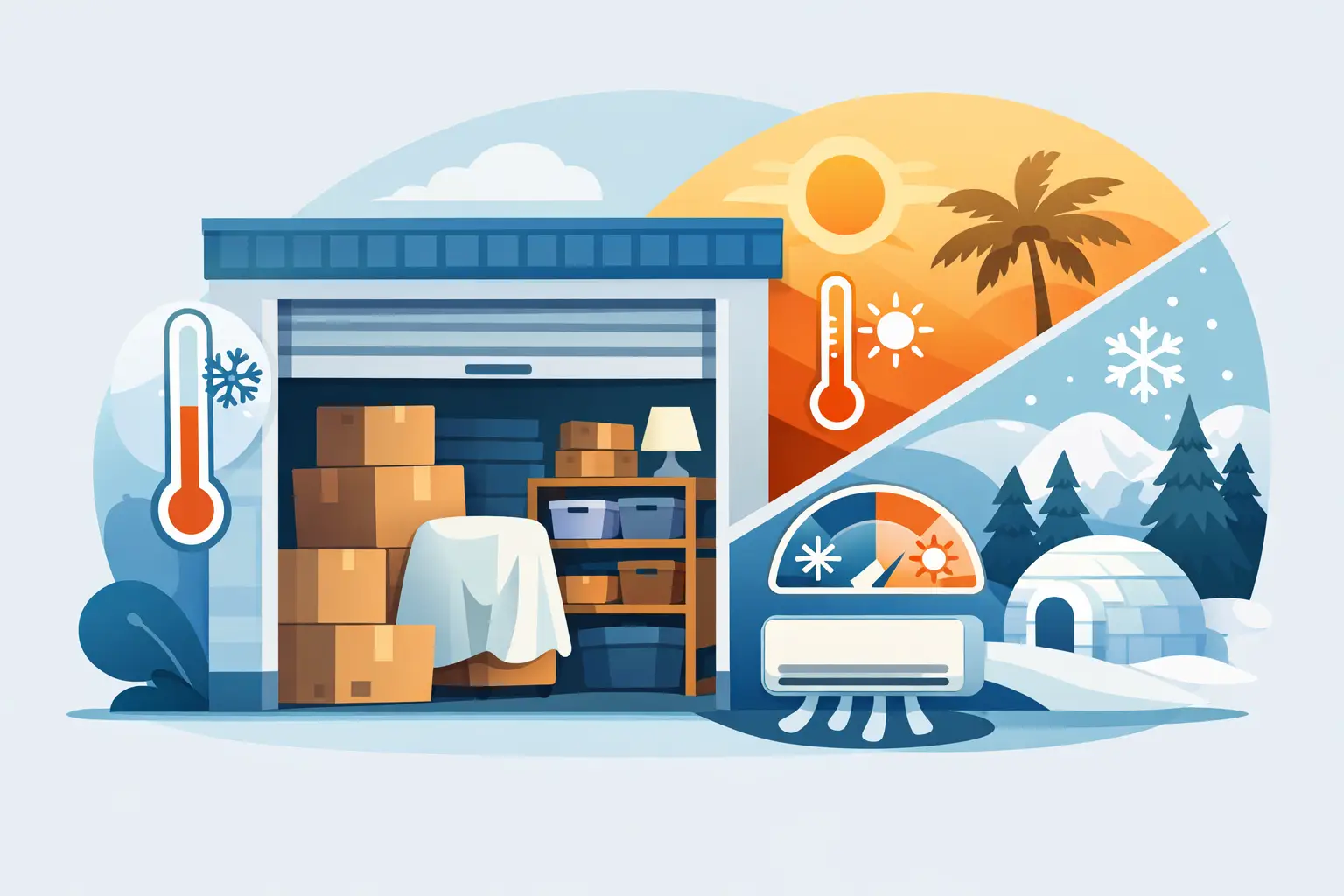
Your couch may handle a move just fine. A family photo album, wood dresser, guitar, or office file box is a different story. If you have ever wondered what is climate controlled storage, the simple answer is this: it is storage kept within a more stable temperature range, often with humidity control, to help protect items from extreme heat, cold, and moisture.
That extra protection matters more than many people realize. Standard storage works well for plenty of belongings, especially items that are durable and not sensitive to environmental changes. But when temperatures swing from hot, sticky summers to freezing Ohio winters, certain items can crack, warp, fade, mildew, or simply age faster than they should.
What is climate controlled storage and how does it work?
Climate controlled storage is an indoor storage option designed to maintain a more consistent environment than a traditional unit. Instead of leaving your belongings exposed to outside temperature shifts, the facility helps reduce those swings. In many cases, that means keeping the space cooler in summer, warmer in winter, and better managed when humidity becomes a problem.
For customers storing belongings during a move, remodel, downsizing project, or business transition, that controlled environment can make a real difference. Wood furniture can expand and contract when temperatures and moisture levels change too much. Paper records can yellow or become brittle. Electronics do not do well with heat buildup or damp conditions. Upholstered items, mattresses, and clothing can also be more vulnerable when moisture gets trapped.
The key idea is stability. Climate controlled storage is not about making your unit feel like your living room. It is about reducing the stress that weather and humidity put on sensitive items over time.
When climate controlled storage makes sense
Not every storage situation calls for the added protection. If you are storing patio furniture, tools, metal shelving, or durable garage items for a short period, a standard unit may be perfectly practical. The right choice depends on what you are storing, how long you are storing it, and how much risk you are willing to take.
Climate controlled storage makes the most sense when your belongings have financial value, sentimental value, or both. It is often the better option for household moves where furniture, keepsakes, and electronics are going into storage between closing dates. It is also a smart fit for seniors downsizing, families clearing space during a renovation, students storing items between semesters, and businesses that need to protect files, equipment, or inventory.
Length of storage matters too. A few weeks is different from a few months, and a few months is different from a year or more. The longer your belongings stay in storage, the more exposure they have to seasonal changes. That is usually where climate control starts to pay off.
What items should go in climate controlled storage?
If an item is affected by heat, cold, or humidity, it is a good candidate. Wood and leather furniture are near the top of the list because both materials can dry out, crack, warp, or develop mildew depending on conditions. Mattresses and upholstered furniture also benefit from a more controlled space, especially during humid weather.
Electronics should usually be stored in climate controlled conditions. TVs, computers, speakers, printers, gaming systems, and small office equipment can all be affected by moisture and temperature extremes. Even if they look fine on the outside, internal components can suffer over time.
Paper items are another common reason people choose climate control. That includes family photos, tax records, legal files, books, artwork, and business documents. Moisture can lead to curling, staining, mold, and deterioration. Heat can speed up fading and breakdown.
Musical instruments, antiques, collectibles, and anything with glue, paint, or delicate finishes also deserve extra care. The same goes for seasonal wardrobes, fabric items, and boxes of personal keepsakes that cannot be replaced.
What climate controlled storage does not do
It helps to be clear about the limits. Climate controlled storage offers a more stable environment, but it does not make packing optional. If belongings are boxed poorly, stacked unsafely, or stored dirty, they can still be damaged.
For example, climate control will not prevent dents from bad loading, scratches from loose furniture parts, or odors caused by storing unclean fabrics. It also does not mean every unit has identical humidity conditions at every moment. Good packing still matters. Clean your items, use quality boxes, protect surfaces, and leave a little airflow where appropriate.
This is one reason many customers prefer working with a full-service company instead of piecing everything together themselves. If packing, moving, and storage are all part of the same plan, there is less room for missed steps.
Climate controlled storage vs. standard storage
The biggest difference is the environment inside the unit. Standard storage is generally more exposed to the conditions outside. It can be a cost-effective option for durable items and shorter-term needs. Climate controlled storage adds protection for belongings that can be damaged by temperature swings or excess moisture.
The trade-off is usually price. Climate controlled units often cost more than standard units because they require indoor space and additional facility systems. For some customers, that higher monthly rate is worth it immediately. For others, it depends on what they are storing.
A good way to think about it is replacement cost. If the items in your unit would be expensive, difficult, or impossible to replace, paying more for a better storage environment often makes sense. If you are mostly storing rugged items that can handle a garage or shed, standard storage may be all you need.
Who usually benefits most from climate controlled storage?
Homeowners between moves are one of the most common groups. Delayed closings, temporary housing, and renovation timelines often create a gap where furniture and household goods need a safe place to stay. In those situations, climate control helps protect the items you use every day.
Business customers benefit too. Office furniture, electronics, archived files, product samples, and specialty equipment can all be sensitive to changing conditions. For companies trying to stay organized during relocation or remodeling, using better storage can prevent costly headaches later.
Families helping a parent move into assisted living or a smaller home often choose climate control for sentimental and inherited items. Students may use it for electronics, clothing, and small furniture. Anyone storing belongings through an Ohio summer or winter should at least consider whether those items are truly weather-tolerant.
How to decide if you need climate controlled storage
Start with three questions. What are you storing, how long will it be stored, and how badly would it hurt if something were damaged? Those answers usually point you in the right direction.
If you are storing mostly solid plastic bins, yard equipment, and basic metal items for a short time, standard storage may be enough. If you are storing a bedroom set, office electronics, framed photos, files, artwork, or anything with fabric, wood, paper, or sentimental value, climate control is often the safer call.
It also helps to think beyond the unit itself. Will your items be packed professionally? Will they be moved carefully? Will the facility be easy to access when you need something back? Storage works best when the whole process is handled well, from pickup to packing to placement inside the unit.
For customers who want one company to handle the heavy lifting, Newcomer Movers offers the kind of full-service support that can make moving and storage much less stressful. When your movers, storage provider, and packing help all work together, the process tends to go smoother.
What is climate controlled storage really buying you?
At the end of the day, it is buying you protection and peace of mind. You are not just renting square footage. You are paying for a better environment for the belongings that matter most.
That does not mean everyone needs it. But for many households and businesses, especially during longer storage periods, climate controlled storage is the difference between simply putting items away and actually preserving them. If you are storing things you care about, it is worth choosing the option that gives them a better place to wait.